
Blog

All Service & Parts Tips and Tricks Jeep Gladiator Color Options Used Cars Jeep Wrangler Local Toyota Toyota Highlander Toyota Venza Ram 1500 Toyota 4Runner Toyota Prius Toyota RAV4 Toyota Tacoma Jeep Grand Cherokee Safety Toyota Camry Finance Jeep Compass Toyota Sequoia Dodge Dodge Challenger Ram 2500 Toyota Corolla Toyota Corolla Cross Toyota Sienna Chrysler Electric Vehicles Jeep Grand Cherokee L Parts & Accessories Toyota Avalon Toyota EV Toyota Supra Toyota Tundra Wagoneer Series II Dodge Hornet Hybrid Jeep Cherokee Jeep Grand Wagoneer Jeep Renegade Ram Ram 3500 Toyota C-HR Toyota GR86 Toyota Grand Highlander Wagoneer Series III 300 Dodge Charger Last Call News Ram 1500 TRX Toyota bZ4X Toyota Crown Toyota GR Corolla Toyota GR Corolla Morizo Edition Toyota Mirai Vehicle Comparisons
Astoria Armory indoor roller skating event with families and colorful lights

November Events Near Warrenton and Astoria, OR: Family Fun and Oregon Coast Activities

November rain taps the windshield, the sun drops before 5:00 p.m., and the surf starts to look dramatic. That is when the North Oregon Coast feels most like itself. If you are scanning for November events Astoria OR has to offer, this guide covers confirmed 2026 listings in Astoria, Warrenton, Seaside, Gearhart, and across the bridge in Washington. Here at our Warrenton home base, we have watched locals plan around the weather for decades. As Lum's Auto Center in Oregon, a family-owned group serving the region since 1969, we like to see people get out and enjoy the coast. If you want help getting road-ready first, contact us. November on the North Oregon Coast: What to Expect in Astoria and Warrenton November is a good time for Oregon Coast November events because local arts and music keep going after summer festivals end. A flexible plan works best. Pair one scheduled event with indoor backups, and leave room for meals and weather changes. Weather, Daylight, and Storm-Watching Season November is the normal start of Astoria's rainy season. NOAA's 1991–2020 normals show an average high near 54°F, a low near 40°F and about 11 inches of rain, making it the wettest month of the year. Daylight shrinks fast. Daylight Saving Time (DST) ends Nov 1, 2026 at 2:00 a.m. That day brings sunrise at 6:56 a.m. and sunset at 5:00 p.m., for 10:04 of daylight. By Nov 30, sunrise is 7:36 a.m. and sunset is 4:31 p.m., with 8:55 of daylight. Outdoor stops fit best in the daytime, and evenings are better for indoor entertainment. Storm-watching safety: Stay off jetties. Keep away from logs and sneaker waves. Watch from a safe distance, and follow posted closures and weather alerts. Smaller Crowds and Why November Is Worth the Trip November has its own character. Storms roll in, the beaches turn moody, and the calendar fills with theater and art shows, plus bazaars and a few hands-on classes. It suits a slower visit built around local culture and independent businesses rather than a packed festival schedule. Holiday weekends and ticketed shows still need advance planning, so don't assume easy availability. November Events in Astoria and Warrenton at a Glance If you're searching for things to do in Warrenton, Oregon, in November, most of the action is a short drive away in Astoria, Seaside, Gearhart and across the bridge in Washington. Here are the highlights with confirmed 2026 dates. Event Town Timing Best for Oregon Coast Youth Symphony Festival concerts Astoria Nov. 6 and 7 at 7 p.m. (free) Budget-conscious, music fans Grimm Tales: Baba Yaga Astoria Nov. 6 at 6:30 p.m.; Nov. 7 at 2 and 6:30 p.m. ($10) Families The Importance of Being Earnest (PAPA) Chinook, WA Through Nov. 15: Fridays at 7 p.m., Saturdays and Sundays at 2 p.m. Couples UkeFest Seaside Nov. 7, 9 a.m. to 2:30 p.m.; open mic 6 to 8 p.m. ($45) Musicians, solo visitors Trail's End show, Gift Faire and reception Gearhart Show Nov. 7–29; Gift Faire Nov. 7, 11 a.m. to 5 p.m. (free) Couples, shoppers Intro to Block Printing class Astoria Nov. 7, 10 a.m. to 3 p.m. ($150) Solo visitors North Coast Symphonic Band Astoria Nov. 8 at 2 p.m. ($15 advance) Music fans, families Clash of the Cowboys Roughstock Rodeo Astoria Nov. 14; pre-show 4 p.m., show 7 p.m. Groups, families Columbia Pacific Fiber Arts Festival Long Beach, WA Nov. 14–15, 10 a.m. to 5 p.m. (free entry) Families, shoppers Iron Chef Goes Coastal Seaside Nov. 17, doors 4 p.m. Foodies Blind Pilot at the Liberty Theatre Astoria Nov. 27 and 28 at 7 p.m. ($43) Couples, music fans Family Activities in Astoria, OR and Holiday Kickoff Events Families have good options this month, and many are hands-on. Balance one scheduled activity with open time for lunch and rest, especially with younger kids. Holiday Kickoff Events in Astoria, Warrenton, and Seaside Mid-November brings two big weekend outings. On Saturday, Nov. 14, the Clash of the Cowboys Roughstock Rodeo fills the Clatsop County Fairgrounds, 92937 Walluski Loop in Astoria, with bull riding, broncs and barrel racing. Free pre-show activities, including vendors, food trucks, music and a dummy roping competition, start at 4 p.m. Arena doors open at 6, and the show starts at 7. Advance tickets are $25 for adults and $10 for kids 10 and under ($30 and $12 at the door), children under 24 months sit free on a lap, and all sales are final. Parking is free and seating is on bleachers, so bring a cushion. The same weekend, Nov. 14–15, the Columbia Pacific Fiber Arts Festival fills Long Beach Elementary School, 400 Washington Ave. S., with handmade goods from 10 a.m. to 5 p.m., just across the Astoria-Megler Bridge. It's a great place to start your holiday shopping. Thanksgiving weekend has its own highlight. Portland indie-folk band Blind Pilot plays the historic Liberty Theatre in downtown Astoria on Friday, Nov. 27, and Saturday, Nov. 28, at 7 p.m. Doors open at 6, and general admission is $43. Kid-Friendly Events and Hands-On Experiences Little ones can enjoy the Long Beach festival's free entry, demonstrations, petting zoo and children's classes. Adult classes in knitting, crochet, weaving, felting and rug making carry separate charges, and you can sign up on the festival's website. For a storybook outing, the Astoria Conservatory presents Grimm Tales: Baba Yaga at the Charlene Larsen Center for the Performing Arts, 588 16th St., on Nov. 6 at 6:30 p.m. and Nov. 7 at 2 and 6:30 p.m. It's a spooky-but-not-too-spooky retelling told through dance, musical theater and drama, and tickets are $10. The Saturday matinee is a gentle fit for younger kids. For a rainy weekend evening, the Astoria Armory turns into a roller rink every Friday and Saturday from 5 to 8 p.m., with music, games and skate rentals on site. Community, Arts, and Entertainment Events on the Oregon Coast The local scene mixes live performance and visual art with classes and community gatherings, and it rewards visitors who like browsing independent shops and galleries as much as watching a show. Rainy-day backups from the confirmed list include theater, the youth symphony concerts, the Trail's End art show, block printing and Skate Night at the Armory. Live Music, Theater, and Performances The Oregon Coast Youth Symphony Festival brings high school orchestras from across the state to Astoria High School for its first November festival, Nov. 5–8. It includes two free community concerts at 7 p.m. on Friday, Nov. 6, and Saturday, Nov. 7, with the combined festival orchestra closing out Saturday night. Two days later, on Sunday, Nov. 8, the North Coast Symphonic Band performs The Art of Dance at the Liberty Theatre at 2 p.m. Tickets are $15 in advance or $20 at the door, high school students get in free, and younger kids are free with a paid adult. Thanksgiving weekend closes the month with Blind Pilot at the Liberty on Nov. 27 and 28. If you'd rather play than listen, UkeFest comes to Seaside's Sunset Recreation Center on Saturday, Nov. 7, from 9 a.m. to 2:30 p.m. Ukulele players of all levels can choose from multiple workshops with featured guests Aaron Keim, Francis Doo and Brook Adams, and browse a ukulele marketplace. Lunch is $15, or bring your own, and the day wraps up with an open mic from 6 to 8 p.m. at the Best Western Plus Ocean View Resort. Registration is $45. Across the bridge, PAPA stages The Importance of Being Earnest PNW Edition, a Seattle-set spin on Oscar Wilde's comedy, at the Fort Columbia Theater in Chinook, Washington, through Nov. 15. Performances are Fridays at 7 p.m. and Saturdays and Sundays at 2 p.m. Holiday Bazaars, Craft Fairs, and Markets Shopping local is a big part of the month. Trail's End Art Association in Gearhart hosts a Holiday Gift Faire on Nov. 7 from 11 a.m. to 5 p.m., with gifts made by its artists. The same day, a reception for Linda Wyss's pastels and other art takes place during the Gearhart Art Walk from 2 to 5 p.m. The show is free and open Friday through Sunday, 11 a.m. to 3 p.m., Nov. 7–29. Add the Columbia Pacific Fiber Arts Festival's handmade goods in Long Beach on Nov. 14–15, and you can fill two weekends with locally made finds. For a hands-on take, Pier 11 Studio's Nov. 14–15 wax collagraph printmaking workshop lets you make your own. Food, Brewery, and Festival Events The month's big food event is United Way's Iron Chef Goes Coastal on Nov. 17 at the Seaside Convention Center, 415 First Ave. Guests sample bites from dozens of local chefs and restaurants, vote for favorites, and watch a live on-stage cook-off. Doors open at 4 p.m., and tickets are at AftonTickets.com/IronChef, with proceeds supporting local nonprofits. The Roughstock Rodeo's free pre-show also has food trucks and a cash bar from 4 p.m. on Nov. 14. Whatever the event, plan a designated driver or other safe ride if drinks are involved. Things to Do Near Warrenton and Astoria Beyond the Event Calendar Not every good day needs a ticket. Astoria Oregon things to do include maritime history and park-based recreation, plus a lively arts community. Group stops by area to save driving time on short days, and keep one indoor option in your pocket. Pair a daytime beach or trail stop with an evening show. Visit Cannon Beach or Ilwaco for a change of scenery, checking current hours first. If you'd like to give back while you're here, see our community cleanups in Warrenton. Our employees join quarterly Highway 101 cleanups from Ensign Lane to Camp Rilea, plus an annual beach cleanup. Getting Around: Comfortable Rides, Cargo Space, and Wet-Weather Prep Plan transportation around your actual stops, including the walk from the car to the door. Cargo room matters more than people expect, especially with strollers or wet coats, and bags from a bazaar add up too. Keep wet gear separate from dry items. Some manufacturers build flexible cargo and seating into their vehicles, so think about your group's needs when you shop. Here is a quick wet-weather checklist: Arrive early for downtown Astoria parking. Watch for slick hills and bridge wind on the Astoria-Megler Bridge. Carry an umbrella and towels. With sunsets near 4:30-5:00 p.m., check your lights and wipers. Look over tires and brakes before a longer drive, and make sure the defroster works. Plan Your November Outing with Lum's Auto Center Pick your events, map the route and leave time for meals, with an indoor backup in your pocket. A well-prepared vehicle makes those wet coastal drives more comfortable, and a quick look at the forecast before you go keeps the day on track. You'll find us at 1605 SE Ensign Lane in Warrenton, where our service team is open Monday through Friday from 8 a.m. to 5 p.m. and Saturday from 8 a.m. to 4 p.m. Call Lum's Toyota at (503) 861-1144, or contact us, and we'll help you get road-ready for the coast.


Calculator on financial paperwork beside laptop and keyboard

How to Use a Car Payment Calculator Before You Shop in Warrenton, OR

A monthly payment can make a vehicle feel affordable or out of reach before you ever see the real numbers. A car payment calculator Warrenton OR shoppers can trust is one you use with realistic inputs and treat as an estimate. It helps you set a range before you browse. We built our payment calculator for exactly that purpose. Try a few scenarios, then come back here to see how each input changes your result and what to do with it. Keep in mind that every estimate is a planning tool, not an approval or a rate offer. Why Run the Numbers Before You Shop in Warrenton, OR Estimating a payment before you browse connects what you want to drive with what fits your monthly budget. Use the estimate to narrow your price range, and keep in mind that the maximum it shows isn't a target. A calculator works for both new and used shopping. Its value depends on realistic entries for price, down payment, trade-in value, interest rate, and loan length. Shoppers who already know their down payment and term before they visit tend to move through the process faster. What a Car Payment Calculator Can and Can't Tell You A calculator lets you test scenarios. Change the loan amount or vehicle price, down payment, trade-in value, interest rate, and loan term, and watch the payment move. It can't approve a loan, confirm a rate, appraise your trade-in or set the final price, because the output only reflects what you enter. When you shop in Warrenton, separate the advertised price from the complete purchase amount. Oregon has no general sales tax, but Oregon dealers pay a 0.5% vehicle privilege tax on new and nearly new vehicles, which they may pass on to buyers. Title and registration fees also apply, and our team can give you exact figures for any vehicle. Payment and buying-power estimates answer different questions. If you enter a purchase amount, a payment estimate tells you what you'd owe each month. Buying power goes the other direction: you give it the payment you prefer, and it works backward to the price you could afford. How to Use a Car Payment Calculator Step by Step Whether you use an auto payment calculator Oregon shoppers find online or ours, the process is the same. Gather your numbers first, then work through the fields in order. Before you calculate: Estimate your credit range. Decide your down payment amount. Get a trade-in estimate. Choose a target term. Start With Vehicle Price or Loan Amount Begin with the price of a vehicle you're considering or a realistic target purchase amount. Check how the calculator labels its first field. Some tools ask for vehicle price. Others say "loan amount" but still subtract a down payment and trade-in separately. Don't subtract your down payment or trade-in twice. If you enter an amount that already reflects those deductions, and the calculator subtracts them again, your payment will come out understated. Add Your Down Payment and Trade-In Value Enter the cash you expect to put down. Keep it separate from trade-in value so you can see how each one changes the amount financed. This is where a down payment car loan estimate gets useful. Use a conservative trade-in estimate until an appraisal is done. If you still owe money on the vehicle, subtract the payoff from its value. That difference is your usable equity. Owing more than the vehicle is worth is called negative equity, and it can raise your trade-in car payment. Enter an Interest Rate and Loan Term APR is the yearly cost of borrowing, including the interest rate and fees. The term is the number of months you have to repay. Our "Estimate Your Monthly Payment" panel asks for the loan amount, down payment, trade-in, term, and interest rate, then returns "Your Monthly Payment." The term menu runs from 12 to 84 months. A rate you hope for isn't a lender-confirmed offer, so try several rate assumptions while your terms are unknown. To see a six- or seven-year loan, just set the term to 72 or 84 months. Estimated Monthly Payment vs. Actual Financing Terms Treat the result as an estimate, not a financing commitment. Our calculator excludes tax, title, license and document fees, so the final terms in your contract will reflect those additions. Get the out-the-door price in writing before you discuss financing, so you can compare offers on the same basis. Lenders must disclose the APR before you're legally obligated, and it's the number to compare across offers. Actual terms depend on credit approval and the lender, and our finance team can walk you through options based on your goals and budget. Factors That Can Change Your Final Numbers Several things can move the final figures away from your estimate: Taxes and fees can increase the amount financed, and title costs add to it. Optional add-ons increase the amount you borrow and repay. Your credit profile matters, since credit reports and scores are among the most important factors in the rates lenders offer. Lender terms, loan length, and the amount borrowed also affect your actual APR. Trade-in value stays provisional until the vehicle is evaluated and any loan balance is verified. A deal isn't final while the dealer is still working on approval, so confirm your terms are final before you sign. And since a first quote may not be the lowest rate you qualify for, compare several quotes on amount financed, APR, loan length and monthly payment. How Loan Term, Down Payment, and Interest Rate Change Your Estimate The amount financed, rate, and term drive everything. Change one at a time so you can see which one moves the payment. Otherwise, a lower payment can hide a longer repayment period or a much bigger upfront contribution. A higher rate raises the payment and borrowing cost for the same amount and term. Testing a range of rates shows whether a purchase still works under less favorable terms. Why a Longer Loan Term Can Lower Your Payment but Raise Total Cost A longer term spreads repayment over more months, so each payment shrinks, but you pay interest for longer. A longer term can also leave you owing more than the vehicle is worth for more of the loan, so always look at total cost alongside the monthly payment. This CFPB illustration shows the pattern on a $20,000 loan: Loan amount Rate Term Monthly payment Total interest paid $20,000 4.75% 36 months $597 $1,498 $20,000 4.75% 48 months $458 $1,999 $20,000 4.75% 60 months $375 $2,508 $20,000 4.75% 72 months $320 $3,024 These examples aren't Lum's offers. Actual terms depend on credit approval, lender requirements and vehicle selection. How a Larger Down Payment or Trade-In Can Affect the Loan Amount A down payment can be cash, trade-in value or both, and a larger one means less to repay. With other inputs unchanged, that usually lowers both your payment and your total interest. Balance it against keeping enough cash for emergencies and ownership costs. Positive trade-in equity reduces what you need to borrow. Negative equity works the other way, and it can increase the amount borrowed, the loan length or the monthly payment. Turn Your Estimate Into a Realistic Shopping Budget Run two or three scenarios, such as a conservative one and a stretch one, with a comfortable middle ground between. That gives you a range instead of a single number. Aim below the highest payment you could technically manage, so you have room when other costs shift. Our "Calculate Your Buying Power" panel works backward. Enter a monthly payment, down payment, trade-in, term and interest rate, and it shows "Your Purchasing Power," which works best as a planning range rather than a credit limit. When you're ready for firmer numbers, get preapproved, which can show your APR, loan length and maximum borrowing amount before you shop. Budget Beyond the Payment: Insurance, Fuel, and Maintenance The loan payment is just one piece of your transportation cost. Insurance, gas, regular maintenance, repairs and registration all add up, and taxes and insurance can be higher on a new vehicle than an older one. Get insurance quotes for the vehicles on your shortlist rather than assuming your current premium will hold. Before choosing a payment target, set a total monthly transportation budget against your income, and convert annual or irregular costs into monthly savings. Local driving matters too. Coastal commuting around Clatsop County and highway miles affect fuel use. Wet weather wears tires, and salt air is tough on a vehicle over time. Regular service intervals at our service center help you plan for those costs. Compare New and Used Inventory Within Your Range Once you have a range, use the same financing assumptions to compare options across our new inventory and pre-owned inventory, from cars and trucks to SUVs, vans and hybrids. Price alone doesn't set your payment or ownership cost. Update your estimate with each vehicle's current price and a fuller view of transaction costs. That turns a broad budget into a vehicle-specific comparison. Next Steps With Lum's Auto Center As a family-owned dealership serving the region since 1969, we like seeing shoppers arrive informed. A car payment calculator Warrenton OR drivers use ahead of time makes the conversation simpler, because you already know your range and your questions. Use Our Payment Calculator and Review Financing Resources Start with our payment calculator, check how its deductions work, and save the assumptions behind your favorite scenarios. Then review our financing resources and ask our finance team how an estimate differs from an actual offer. Ask whether any application involves a credit inquiry, and request an itemized purchase total and written loan terms before deciding. What to bring when you visit: A valid ID and proof of income. Trade-in information. Questions first? Contact us or call 503-861-1144. You can also visit us at 1605 SE Ensign Lane, Warrenton, OR 97146. A calculator sitting on top of a table next to a laptop by Jakub Żerdzicki is licensed with Unsplash License.

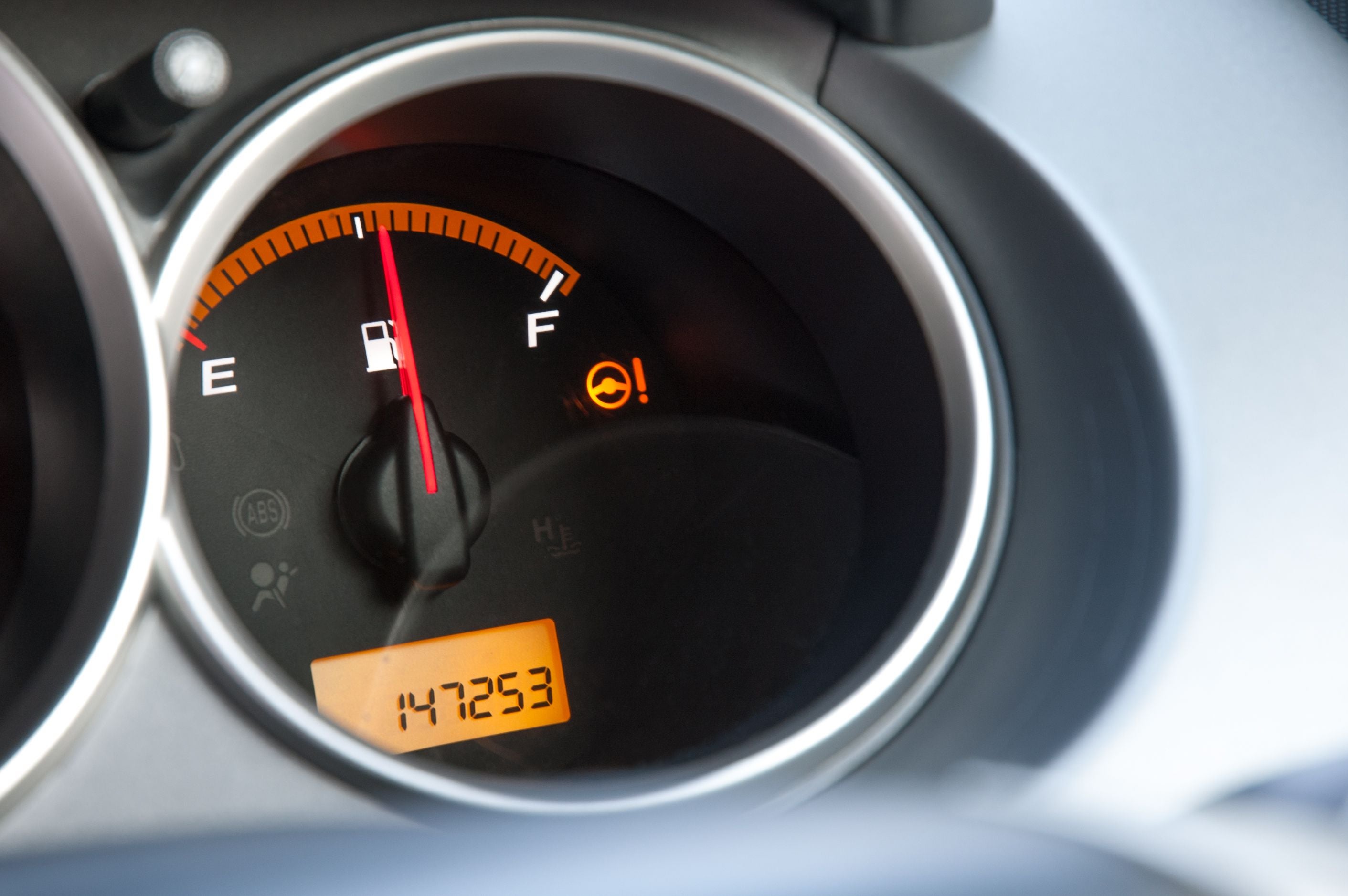
Car dashboard showing power steering warning light and fuel gauge

Car Lease Mileage Limits: What Oregon Drivers Should Know Before Leasing

Most lease surprises show up at the end, when the odometer gets read. Car lease mileage limits decide how far you can drive before extra charges start, and they matter a lot for anyone who spends time on Highway 101. If you want help matching an allowance to your real driving, the Lum's Auto Center finance team is happy to talk it through. Here in Warrenton, we see how differently our neighbors drive. Some commute daily, and others stay close to home or head to the beach every weekend. This guide covers how to estimate your miles, spot overage risk, and ask better questions before you sign any vehicle lease in Oregon. How Car Lease Mileage Limits Work A lease gives you the right to use a vehicle for an agreed period and an agreed number of miles. That mileage piece is what this guide focuses on, since it's where many end-of-lease surprises start. Why Lease Terms Include a Mileage Allowance A vehicle loses value as you drive it, which is why leases set a mileage limit and charge a fee for going over it at return. The allowance helps the leasing company estimate the vehicle's resale value and set your financial terms. Allowances are usually advertised per year, but they typically apply as a total across the full term, so check how your agreement measures miles. Unused miles generally earn no credit, while miles over the limit can bring a charge. Why Allowances Vary by Manufacturer and Contract Terms vary by manufacturer, lender and vehicle, and your credit approval plays a part too, so the signed agreement is what controls. For context, the FTC and CFPB describe most standard leases as allowing roughly 10,000 to 15,000 miles a year. Some advertised offers use 10,000 miles a year or less. A low-mileage lease may carry a lower payment, but it only works if the allowance matches how you actually drive. How to Estimate Your Annual Driving Needs Use real numbers instead of memory. If you can, write down your odometer reading, then check it again a few months later. That tells you more than trying to recall individual trips. Once you have a rough baseline, build your estimate from the pieces below. Here's a simple way to estimate your annual miles: Daily commute miles × workdays per year + weekly errand miles × 52 + planned trips = your estimated annual miles. Then add a cushion for surprises. An estimate built only on your quietest months will usually come up short. Commuting, Errands, and Everyday Driving Use your round-trip commute and the days you actually drive to work. If you work remotely part of the week, count only the days on the road. Think ahead too, since a job change or a new school schedule can shift your numbers fast. Errands add up more than most people expect. Count school runs and medical appointments, then groceries and weekend activities. A drive from Warrenton to Astoria for shopping or an appointment feels short, but doing it weekly puts real miles on the odometer over a year. Oregon Coast Road Trips and Regional Travel Budget your Oregon Coast outings separately. A weekend run down Highway 101 to Seaside, or a regular trip up to Astoria, can push your total well past what everyday driving suggests. Longer occasional trips count as well, such as visiting family in Portland or driving across Southwest Washington. Estimate how many outings you take in a year, add a rough distance for each, and put the total into the worksheet above. Then compare that projected total with the advertised allowance before you look at the monthly payment. Choosing a Lease Length and Mileage Allowance That Fit Together Lease length and allowance go hand in hand, so consider both your annual mileage and how long you expect to keep the vehicle. Typical lease terms run two to four years. Multiply the annual allowance by the number of years for your total, then confirm the exact limit in the contract. The table shows three generic examples over a 36-month term. These are illustrations, not Lum's offers. Example annual allowance Total miles over a 36-month term Best fit for 10,000 30,000 Mostly local drivers who stay around Warrenton and make short trips to Astoria or Seaside. 12,000 36,000 Drivers with a modest commute plus occasional weekend Coast outings. 15,000 45,000 Daily commuters and frequent Highway 101 or regional travelers. How might that look in practice? A commuter with a daily round trip and some weekend errands might consider the 15,000-mile range or higher. A mostly local retiree who stays around Warrenton, Astoria, and Seaside might consider the 10,000 to 12,000 range. A weekend Coast road-tripper might look at roughly 12,000 to 15,000, or ask about higher-mileage lease options. A longer lease gives your life more time to change. A new job or a growing family can push mileage up, and so can a new travel habit. A shorter term doesn't automatically prevent overages either, since the allowance still has to match your driving. If your miles are consistently high or hard to predict, compare leasing against financing a purchase, which generally doesn't impose a contractual mileage cap. You can also ask about higher-mileage lease options. Once you have a mileage estimate, check our current lease specials and see what fits. If you'd rather start with questions, reach out and we'll walk through the numbers together. What to Know About Excess Mileage on a Car Lease If you go over your miles on a lease, you'll likely pay for them at return, so it helps to understand how the charge works before you sign. How Excess-Mileage Charges Are Calculated The excess-mileage charge is stated in your lease. The federal regulations require the notice to state the amount or the method. The charge is typically set per mile and assessed at return. The cost of extra miles depends on the leasing company, the contract and the vehicle. To estimate your exposure, multiply the miles above your limit by the per-mile rate stated in your lease. Keep in mind that it's one possible end-of-lease expense, alongside wear charges and any disposition fee. Options for Adjusting Mileage Before You Sign Ask about higher allowances before you sign. Extra miles may be purchasable before delivery, and some contracts allow increases during the lease. Buying miles upfront often costs less than paying excess charges at the end. There are trade-offs. The mileage limit is negotiable, but a higher limit will usually raise your monthly payment, and miles you prepay may not be refunded if you don't use them. Whether they're refundable depends on your agreement, so ask before you buy. For availability, ask our finance team what's available on your contract. A few habits help once you're driving: Check your odometer periodically so an overage never catches you by surprise. Don't count on mid-lease changes unless the leasing company confirms the option and its conditions in writing. If you expect to go over, ask for a comparison of return and purchase options at lease end. Don't assume mileage charges will be waived because you lease another vehicle later. Any concession should be explained and documented. Vehicle Condition at Lease Return and Early Termination Considerations Mileage and condition are checked separately, so staying under your allowance doesn't erase charges for wear. You're responsible for excess wear and damage, along with any missing equipment, and you'll need to service the vehicle per the manufacturer's recommendations and keep insurance that meets the leasing company's standards. The leasing company generally decides what counts as excessive, so read its wear standards early, keep your service records and ask whether a pre-return inspection is available. Learning about possible charges in advance gives you time to weigh repair options. Ending a lease early can be costly. You can't simply return the vehicle and stop making payments, and the FTC warns that early termination may bring a substantial charge. Federal rules require your lease to disclose the conditions for ending early and how that charge is calculated, so look for that section before you sign. If you're thinking about ending a lease, ask for a written estimate first, and compare it with any options your contract allows, such as transferring the lease or buying the vehicle. Why You Should Review the Complete Lease Agreement Before Signing Advertisements only summarize an offer, and the agreement is what binds you. Read the terms before signing, pay close attention to fees, compare the paperwork with what was discussed, and leave with a signed copy. We encourage every customer to do the same. On the mileage side, check the limit, the excess charge, the rules for additional or unused miles, and how the allowance applies across the full term. If a clause is unclear, ask for an explanation or consult your own advisor. Before you sign, bring these questions: What is the per-mile overage rate, and how is it assessed at return? Can I buy miles upfront, and is any unused portion refundable or nonrefundable? What are the wear-and-tear standards, and is a pre-return inspection offered? What are the early-termination terms, and can I get them in writing? Is there a disposition fee at lease end? Then confirm each answer appears in the signed documents. Keep your copies for the life of the lease. Explore Lease Specials and Talk with the Lum's Auto Center Finance Team We're a family-owned dealership group that has served this region since 1969, and we'd like to help you land on a mileage allowance that fits. To get started: Review our current lease specials to see the latest offers on new Toyota, Chrysler, Dodge, Jeep and Ram models. Talk with our finance team about the lease terms and mileage allowances available on your contract. Bring your worksheet estimate. Visit us in Warrenton, or contact us first with questions. Car lease mileage limits are easy to manage when you plan before signing. You can also browse new vehicles or get pre-approved online. You'll find us at 1605 SE Ensign Lane in Warrenton, or you can call 503-861-1144. We're open Monday through Saturday from 9 a.m. to 6 p.m., and Sunday from 8 a.m. to 8 p.m.

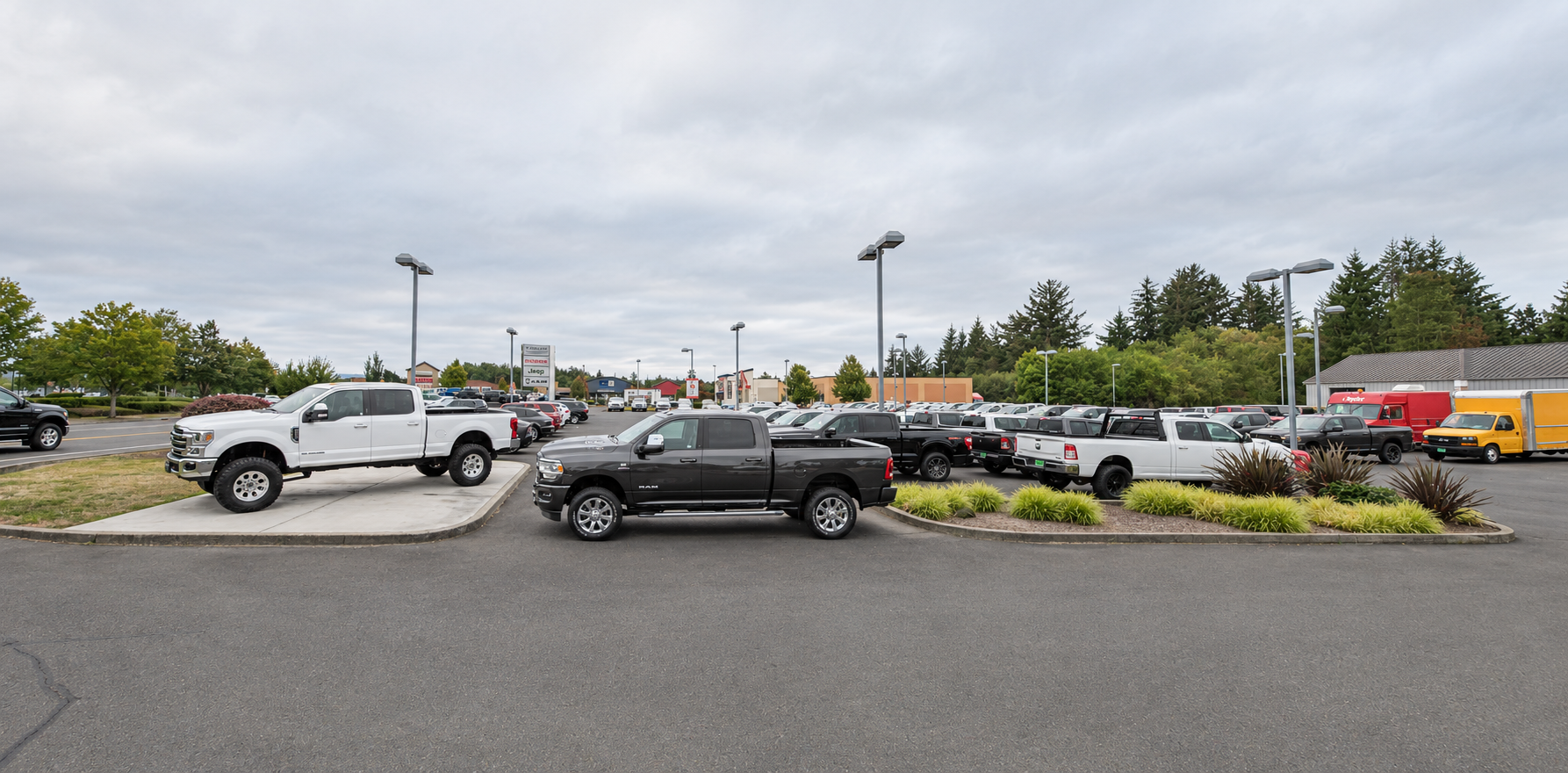
Pickup trucks and vehicles displayed at a dealership

Year-End Car Deals in Warrenton, OR: How to Compare Lum's Auto Center Specials

Shopping for year end car deals Warrenton OR drivers can trust starts with one shift in thinking. Stop asking which monthly payment looks lowest and start asking which offer costs you the least overall and fits your life. Lum's Auto Center is a family-owned dealership group that has served the region since 1969, and this guide shows how we suggest you compare offers. If you'd rather browse as you read, you can view our new inventory or pre-owned inventory any time. Why Year-End Is a Smart Time to Shop for Car Deals in Warrenton, OR Year-end is a good time to compare offers side by side. Many of the shoppers we see this time of year have extra time off, plenty of budget questions and a natural reason to reevaluate the vehicle they drive. Common promotions include discounts, rebates, low-rate financing, cash back, low monthly payments and lease offers. Their terms may involve eligibility restrictions, down payments or fees, and some apply only to selected models, so read every offer as a set of conditions before you react to the headline. Types of Year-End Offers You'll See at Lum's Auto Center We have separate pages for new-vehicle specials, lease specials, used-vehicle specials, and new and pre-owned inventory. Our Warrenton dealerships, Lum's Toyota and Lum's CDJR, carry new Toyota, Chrysler, Dodge, Jeep, and Ram vehicles, plus used vehicles from many manufacturers. That mix makes comparing car specials Warrenton OR shoppers ask about much easier. Lease Specials and Finance Offers A lease pays for use of a vehicle over an agreed period and mileage. Payments cover expected depreciation, a rent charge, taxes and fees, and they're usually lower than finance payments for the same vehicle. At lease end, the vehicle goes back unless the agreement allows a purchase. Standard leases commonly cap annual mileage at 15,000 miles or less. Excess mileage can bring fees, and so can wear, damage, or missing equipment. If you commute from Astoria or Seaside, do that mileage math first. You'll find current lease offers on our lease specials, where we feature deals on new Toyota, Chrysler, Dodge, Jeep and Ram models. If you're looking for car lease specials Warrenton drivers can take advantage of, it's the best place to start, and our team can walk you through the terms of any offer that catches your eye. Finance offers work differently, with terms that depend on the vehicle, your credit profile, down payment and trade-in. Manufacturer Incentives and Used Vehicle Specials Manufacturer incentives can include cash rebates or special financing on certain models, and eligibility varies by buyer. On the Oregon Coast, you may see them on Toyota, Chrysler, Dodge, Jeep and Ram models. Manufacturers set these programs, not the dealership. Our used vehicle specials depend on current inventory, so confirm availability before making a trip. If you're comparing used vehicle specials Warrenton has to offer, a quick call saves you a drive. New listings may show as in stock, in transit, or in production, so ask about current status, pricing, and availability. How to Compare Year-End Car Specials Step by Step Year end vehicle deals Oregon shoppers find can look similar on the surface and differ a lot in the details. Put each offer through the same two filters below, then line them up side by side. Look at Total Vehicle Cost Instead of the Monthly Payment Alone Use this simple formula to compare offers on equal terms: Vehicle price + fees + interest − incentives − trade-in value = total cost A longer loan term can lower the monthly payment but raise the total interest you pay. For loans, compare the amount financed, APR, loan length and monthly payment, and remember that ownership costs also include insurance, registration, maintenance, fuel and repairs. Ask for the out-the-door price in writing. It's the vehicle's total price before financing, including taxes and fees. Optional add-ons aren't free, so ask for each one's price, and decline any you don't want. Our payment calculator gives a quick estimate, though it excludes tax, title, license and documentation fees, so use the out-the-door price for your final comparison. Check Eligibility, Terms, and Availability For every offer, ask whether it applies to the specific vehicle and to you, whether it requires a particular financing arrangement, and which fees apply. Get the details in writing, and before signing, check that the contract matches those figures. Copy this checklist for every offer you compare: Term length APR Down payment Due at signing Mileage limits Eligibility requirements Expiration date Stock availability For leases, also compare the total due under the lease, the mileage allowance and overage charge, and end-of-lease fees. When you're ready to compare real numbers, contact our team and we'll walk through them with you. New, Used, or Certified: Which Year-End Deal Fits You? The right choice depends on your budget, how long you plan to keep the vehicle, and the coverage you want. Whether you're searching Warrenton car dealers or weighing car dealerships in Astoria, Oregon, here's how the three options compare. Option Typical Best Fit Warranty/Coverage Financing/Incentive Options Things to Verify New Drivers who want a current model and manufacturer programs Manufacturer's new-vehicle warranty Lower finance rates or cash back may apply to certain makes or models Which incentives fit the exact vehicle and your qualifications Used Shoppers focused on variety and value Buyers Guide states "as is" or with a warranty Terms depend on vehicle, credit profile, down payment and trade-in The Buyers Guide, a vehicle-history report and an independent mechanical inspection Certified Buyers who want added peace of mind on a pre-owned vehicle Coverage defined by the certification program Pre-owned financing options may be available What the certification covers, plus an independent inspection A vehicle-history report may show accident or flood damage but typically doesn't list mechanical problems. For used cars in Astoria and nearby, test-drive the vehicle, check its equipment, and ask permission for your own mechanic to inspect it. Get any repair promises in writing. Oregon buyers don't get three days to change their minds, so don't sign until you're ready. Our pre-owned inventory may include certified pre-owned vehicles when available. Our service center can also add peace of mind after you buy. Trade-In and Financing Tips for Oregon Coast Drivers Your trade affects the total cost, and so does your financing, so handle both deliberately. A little homework before you visit makes each easier. Get a Trade Estimate and Treat It Separately from the Purchase Price The FTC recommends a two-step approach: Step 1: Settle the out-the-door price of the vehicle you want. Step 2: Only after that, talk through what your trade is worth. With the two apart, each number is easier to judge. If your loan balance exceeds your trade value, the difference is negative equity. A dealer may add it to the new loan or deduct it from a down payment, and rolling it in increases the amount borrowed. We offer an online trade estimate. An in-person appraisal confirms value based on condition, mileage, and history along with market factors, and we'll appraise your vehicle even if you're not buying. Oregon DMV advises disclosing known problems and telling the lienholder about a lien trade-in. A dealer has 15 days to pay off liens. Compare Financing Options and Get Pre-Approved A pre-approval shows your APR, loan length and maximum loan amount before you visit, which gives you a benchmark for the dealer's offer. Compare offers from multiple lenders and the dealer. Credit reports and scores affect the rate, and the CFPB says auto-loan inquiries within a 14-to-45-day window count as one inquiry, so shopping around won't multiply the hit to your credit. Our finance team works with multiple lending resources. Our online financing application lets you begin and see a prequalification status. Submitting it authorizes a credit investigation and sharing of your application information with lenders. Questions to Ask and Mistakes to Avoid Before You Sign These are questions we hear from local drivers: Does this offer apply to this exact vehicle and to me? Does it require a particular financing arrangement? Which fees apply, and what is the out-the-door price? When does the offer end, and is the vehicle in stock? Mistakes worth avoiding: Focusing only on the monthly payment. A longer term can lower it while raising total interest. Mixing the trade and the purchase. Agree on the vehicle's price before you talk about the trade. Skipping the fine print. Eligibility, down payment, and model limits can change what you actually get. Accepting add-ons by default. They aren't free, and you can decline them. Not checking the contract. Confirm it matches your written figures before signing. Assuming a vehicle is available. Inventory is subject to prior sale, so confirm first. Your Year-End Shopping Checklist for the Oregon Coast Before you visit, run through this quick recap. The first half helps you choose the right vehicle for coastal driving, and the second makes sure you're comparing deals on equal terms. Match the Vehicle to Your Coastal Driving Weather and roads: Decide whether AWD matters for the wet or slick roads you drive most, and ask about tires and features suited to rainy conditions. Salt air: Factor in how often you'll wash the vehicle, especially the underbody, if you live or park near the water. Commute distance: If you're leasing, compare the mileage limit with your daily drive between Warrenton, Astoria, Seaside or beyond. Compare Every Deal the Same Way Out-the-door price: Request it in writing for every vehicle you're considering. Offer terms: Use the offer checklist above for each one, from APR and term length to eligibility and expiration date. Trade-in: Get an estimate, but settle the vehicle's price before discussing your trade. Financing: Get pre-approved and compare at least one outside lender with the dealer's offer. View Current Lum's Specials and Get Offer Details Today If you're comparing year end car deals Warrenton OR has this season, start with our lease and used specials, then reach out through our contact form for details on a specific vehicle. Whether you know us as Lum's Warrenton or lums dealership, we're a local, family-owned team that has been here since 1969. Because every offer depends on the vehicle, your eligibility, the lender and the program, the fastest way to get accurate numbers is to talk with our team. Call us at 503-861-1144. We're open Monday through Saturday from 9 a.m. to 6 p.m. and Sunday from 8 a.m. to 8 p.m. FAQs About Year-End Car Deals in Warrenton, OR When do year-end deals start? There's no fixed date. Offers vary by manufacturer and program, so check our specials pages or contact us for what's current. Should I focus on the payment or the total cost? Total cost. A lower payment can come from a longer term, which may raise total interest. How does a trade-in affect an offer? Settle the out-the-door price first, then discuss trade value. Negative equity, if any, can increase the amount you borrow. Does pre-approval affect negotiation? It gives you a benchmark APR, loan length, and maximum amount to compare against the dealer's offer. Is leasing or financing better? It depends on your mileage, how long you keep vehicles, and your budget. Lease payments are usually lower, but you return the vehicle unless the agreement allows a purchase. Do all incentives apply to every buyer? No. Eligibility may depend on the vehicle, your qualifications, and the lender, so ask for details in writing.

Assorted automotive parts and spark plugs for vehicle repair

OEM Parts vs Aftermarket Parts: Toyota and Mopar Parts Explained

A cracked bumper. A worn brake pad. A headlight that's finally given out. Whatever the repair, the same fork in the road shows up: go with the original part or try aftermarket instead. For drivers in Warrenton, Astoria, Seaside, and other Oregon Coast towns, that choice affects fit, warranty coverage, and how the vehicle performs down the road. This guide breaks down what separates OEM parts from aftermarket alternatives, so you can make a confident call the next time your Toyota, Jeep, Ram, or Dodge needs a repair. You can also order parts online or connect with our service department if you'd rather skip ahead. OEM vs. Aftermarket Parts: What Warrenton, OR Drivers Should Know OEM stands for original equipment manufacturer, meaning the part comes from the same company that built your vehicle. Aftermarket parts, by contrast, are made by outside companies that never touched your car on the assembly line. Both categories serve real purposes, and neither one is automatically the right answer for every repair. The decision often comes down to what part you're replacing, whether your vehicle is still under warranty, and how long you plan to keep the car. What Are OEM Parts and Why Fitment Matters OEM parts are built to the exact specs of the vehicle they're designed for, which matters more than most people realize until something doesn't line up right. A bumper that's off by a few millimeters, or a filter that seals slightly wrong, can cause bigger headaches later, from uneven wear on neighboring components to reduced efficiency. Because these parts are made to match the original engineering, they tend to install cleanly and perform the way the vehicle was designed to perform. OEM parts also typically come with a manufacturer warranty, giving owners a layer of protection that aftermarket options don't always match. How OEM Parts Are Engineered to Match Your Vehicle's Specs Every OEM part goes through a manufacturing process built around the original vehicle's blueprints, matching the same materials, dimensions, and performance thresholds as the factory version. Manufacturers test these parts to confirm they hold up under the same conditions the vehicle was designed to handle, which helps preserve the car's overall integrity over time. A part built to the same tolerances as the original is simply more likely to behave the way the rest of the vehicle expects it to. Toyota Genuine Parts and Mopar Genuine Parts Explained Toyota Genuine Parts are engineered to Toyota's own standards for quality, performance, and durability, covering brake pads, filters, wiper blades, and specialized components alike. Toyota builds these parts to hold up to its own internal standards for durability and performance, which is why so many owners specifically look for genuine Toyota parts when a repair comes up rather than settling for a generic substitute. Mopar plays the same role for CDJR vehicles. As the OEM provider for Chrysler, Jeep, Dodge, Ram, and FIAT, Mopar parts are designed by the same engineering teams responsible for the vehicles themselves. Mopar's lineup covers brake components, filters, spark plugs, and factory accessories, all built for a fit that matches the vehicle's original specs. What Are Aftermarket Parts and How They Differ An aftermarket part is simply one made by a company other than the original manufacturer. That's a broad category, covering everything from well-engineered replacement parts to budget options that cut corners somewhere along the way. Aftermarket parts are often designed to mimic OEM parts in form and function, but they may not always match the exact measurements of the original component, and that gap in consistency is what drivers need to understand before buying. Variety in Quality, Purpose, and Budget Across Brands Walk into any parts store and you'll find a wide range of aftermarket brands at different price points and quality tiers. Some aftermarket manufacturers specialize in performance upgrades, others focus on affordable replacements for high-turnover items like wiper blades or cabin filters. This range gives drivers flexibility, but it also means research matters. Not every aftermarket brand holds itself to the same standard, so knowing what you're buying is part of the process. Potential Benefits and Trade-Offs of Aftermarket Options Aftermarket parts can come with real advantages, including a wider selection and sometimes a lower upfront cost compared to going through the dealership. Some aftermarket manufacturers even offer performance-oriented parts that aren't available as OEM equipment at all. The trade-off is that quality and warranty coverage vary from one aftermarket brand to the next, and a part that doesn't fit quite right can end up costing more in the long run if it needs to be replaced again sooner than expected. Comparing OEM and Aftermarket: Quality, Warranty, and Long-Term Value Every repair decision comes down to balancing fit, protection, and how long you expect the part to perform. Below is a side-by-side comparison of how OEM and aftermarket parts generally stack up. Factor OEM Parts Aftermarket Parts Fit/Tolerance Matches original vehicle specs precisely Designed to be similar, but measurements can vary Materials/Certification Built to manufacturer standards Varies by brand, some carry CAPA certification Warranty Coverage Toyota: 12 months parts-only over the counter, or 12 months parts and labor when dealer-installed. Mopar: 24 months/unlimited miles, parts and labor when dealer-installed. Performance Parts differ by part number Varies widely by manufacturer, often limited or none Typical Use Case Safety systems, warranty-covered repairs, precise-fit components Cosmetic parts, routine maintenance items Installation Considerations Straightforward fit reduces installation issues May require adjustment depending on brand quality Fit, Performance, and Compatibility Fit is where the OEM versus aftermarket conversation gets the most practical. Because OEM parts are built to match the original vehicle, they generally install without surprises. Aftermarket parts can perform just as well in many cases, but compatibility isn't a given across every brand, which is why checking specifications before buying matters, especially for parts tied to safety systems. Toyota and Mopar Warranty Terms Warranty terms differ significantly by brand and part type, and it's worth understanding each on its own rather than assuming one beats the other. Toyota Genuine Parts bought over the counter carry a 12-month parts-only warranty from the purchase date, with labor not covered. Buy the same part and have a Toyota dealer install it, and the 12-month coverage includes both parts and labor. Toyota's Accessory Warranty runs 36 months or 36,000 miles when the accessory is purchased alongside a new vehicle, or 12 months if purchased afterward. Mopar's Basic Limited Warranty covers most parts for 24 months with unlimited miles: parts and labor when an authorized dealership installs them, parts exchange only if you buy over the counter and install them yourself. Buy the part and have an independent shop install it and you keep the 24-month parts coverage plus up to $150 toward labor. Remanufactured and new powertrain components carry a separate 3-year/100,000-mile warranty that transfers to a subsequent owner, which is unusual since most parts warranties end when the vehicle changes hands. Performance Parts vary by prefix: 770 parts get the standard 24 months, PW parts run 12 months or 12,000 miles, and parts beginning with P or 0 are sold as-is with no coverage at all. Aftermarket warranty terms are set entirely by the manufacturer. Some brands back their products generously; others offer barely anything. Normal wear and tear, cosmetic issues, and improper installation aren't covered regardless of which type of part you use. Your Rights Under the Magnuson-Moss Warranty Act The Magnuson-Moss Warranty Act, enforced by the FTC, prevents manufacturers from voiding your vehicle's warranty just because you used an aftermarket part. The manufacturer would have to prove that specific part actually caused the problem. The Act also protects your right to have routine maintenance, like oil changes, brake pads, and belts, done at any shop you choose. In other words, choosing an aftermarket part on a vehicle still under warranty is your call, not a rule violation. Just keep your receipts and service records in case a claim comes up later. Long-Term Ownership and Resale Value Precise fit and factory-backed reliability tend to matter more the longer you plan to keep a vehicle. OEM parts help preserve the mechanical consistency a car was built with, which can matter to future buyers or appraisers down the road. Reputable aftermarket brands can hold up well too, but quality swings more across that space, and outcomes are less predictable than with OEM components. Choosing the Right Parts for Your Vehicle and Budget The right choice depends on what you're replacing and what you're trying to protect, whether that's your budget, your warranty, or your peace of mind on long drives along the Oregon Coast. When Genuine OEM Parts Make the Most Sense Safety-related components, warranty-covered repairs, and parts requiring precise fitment are where OEM parts earn their reputation. Brakes, airbags, and sensors are worth paying for the confidence that comes with a part engineered to match the vehicle exactly. When Aftermarket Parts May Be a Reasonable Choice Cosmetic components and routine maintenance items are often reasonable candidates for aftermarket parts, especially when budget is a bigger concern than exact factory specs. Before buying aftermarket, it helps to run through a short checklist. Is this part covered by my vehicle's warranty right now. Is this a safety-related component like brakes, steering, or airbags. Does it carry CAPA certification for fit and performance. Will installation require special tools or dealership-level expertise. CAPA, the Certified Automotive Parts Association, has independently tested aftermarket collision parts like bumpers, fenders, and headlights since 1987, checking them against OEM standards for fit and function. CAPA sets benchmarks for the metals, plastics, lighting components, foam, and bumpers used in these parts, giving shoppers a way to gauge aftermarket quality beyond guesswork. How Lum's Auto Center Helps You Get the Right Parts Lum's Auto Center is a family-owned dealership group serving the Oregon Coast, including drivers in Astoria, Seaside, Ocean Park, and Tillamook. Our Warrenton service department works directly with Toyota, Chrysler, Dodge, Jeep, and Ram, along with many other makes. Whether you need a specific Toyota component or a Mopar part, our team is set up to help you find the right fit the first time. Requesting Toyota, Mopar, and Other Compatible Parts You can request parts online or stop by our location at 1605 SE Ensign Lane in Warrenton, OR. Fill out a short form and one of our parts specialists will reach out to confirm details and availability. You can browse Toyota and Mopar parts options online, and one of our team members can help if you're not sure exactly what you need. If your vehicle isn't a Toyota or a CDJR model, or if an OEM part is on backorder, our specialists can help you find a compatible alternative that fits your repair and your budget. Scheduling Service for Professional Installation Ordering the right part is only half the job. Proper installation matters just as much for safety and long-term performance. Our service center handles routine maintenance, inspections, and full repairs for Toyota, Chrysler, Dodge, Jeep, Ram, and other makes. Book an appointment online, or give our parts specialists a call directly at 503-861-1144 to talk through what your vehicle needs before you commit to a part.

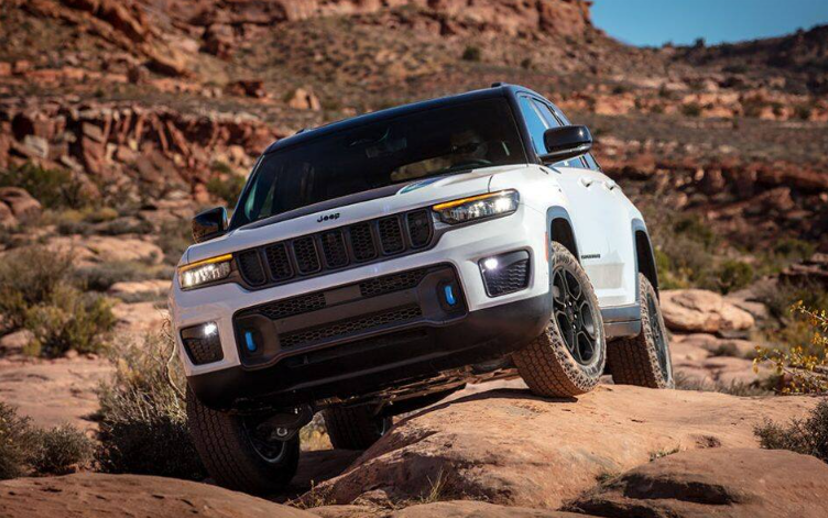
Jeep Grand Cherokee driving off-road over rocky desert trail

AWD vs 4WD for Oregon Coast Rain: Which Setup Do You Need?

Astoria averages 70.26 inches of rain a year, with November (11.05 inches) and December (10.68 inches) delivering the heaviest downpours while July stays dry at just 0.83 inches. Rain around here is the main event, not something happening in the background. If you're shopping for a vehicle to handle Highway 101 fog, wet gravel pullouts, or a boat ramp in Ocean Park, the AWD vs 4WD Oregon Coast question deserves a real answer. We put together this guide to help you sort through it, and if you want to see your options in person, you can always browse used AWD and 4WD vehicles at our Warrenton location. Why Oregon Coast Driving Demands the Right Drivetrain Between the near-constant drizzle, coastal fog rolling off the water, and the gravel spur roads connecting neighborhoods to the highway, this region asks more of a vehicle than most. For most daily driving, all-wheel drive makes a real difference in how confidently a car handles wet pavement. The right answer depends on where you actually drive, not where you might drive someday. AWD vs 4WD: How Each System Works AWD and 4WD both send power to all four wheels, but the mechanics and the driving experience differ enough that picking the wrong one for your lifestyle can mean paying for capability you'll never use, or not having the traction you actually need. All-Wheel Drive: Automatic Everyday Traction AWD uses a combination of front, rear, and center differentials to automatically send power to whichever wheels have the most grip, without any input from the driver. That convenience comes with some added weight and cost, along with a modest fuel economy impact. For Highway 101 commuters dealing with sudden rain squalls, that automatic response is what makes AWD reassuring. You don't have to think about it. It just adjusts. Four-Wheel Drive: Driver-Engaged, Heavy-Duty Traction 4WD takes a different approach, pairing two differentials with a transfer case, often including a driver-selectable high and low range. That extra hardware makes 4WD sturdier and better suited for rugged terrain, but it also means you're the one flipping a switch or lever to engage it. The advantages of 4-wheel drive really show up when you're crawling over rutted forest roads or need low-range gearing to pull through deep mud, not during a routine grocery run. Daily Rain Confidence in Warrenton, Astoria, and Seaside For the everyday stop-and-go of life in Warrenton, Astoria, and Seaside, AWD covers nearly every scenario you'll face. It works automatically in rain, sleet, or snow without requiring the driver to do anything special, essentially running in the background the whole time. If you're wondering whether you need AWD for a daily commute through coastal fog and wet intersections, the answer leans yes far more often than it leans toward 4WD. AWD helps maintain traction, but it won't eliminate the risks of wet or foggy driving. Slowing down, leaving extra following distance, and paying attention to reduced visibility on Highway 101 still matter, regardless of what's under the hood. Gravel Roads, Hills, and Light Trail Access Plenty of coastal side roads turn to loose gravel once you leave the highway. The gravel spurs and beach access roads around Warrenton and Fort Stevens State Park are a good example of the mixed surfaces you hit close to town. AWD handles moderate, well-maintained gravel surfaces like these without much trouble. For light trails and graded gravel, AWD works fine. For rougher routes with ruts, mud, or steep loose climbs, 4WD's low-range gearing gives you more margin, provided you're on a road or trail that's actually open to your vehicle. Beaches, dunes, and forest trails all have their own rules about what's allowed and when. If you're heading into Clatsop or Tillamook State Forest, keep in mind that most trails and dispersed sites stay open year-round, while developed campgrounds generally operate from mid-May through early October. Fire danger changes access: at High danger, OHV use is allowed only before 1 p.m. and after 8 p.m., and at Extreme danger, off-road vehicle use is restricted or prohibited. Forest roads are working roads shared with log trucks, and ODF recommends driving under 25 mph and staying right. Check ODF's road report and fire restrictions map before heading out rather than assuming a route is open. Towing, Hauling, and Truck Considerations 4WD earns its reputation when the load gets heavy. It often provides better towing and traction capability, though it costs more at the pump. If you're backing a boat trailer down a wet launch ramp in Ocean Park or Tillamook, that extra traction matters. Both AWD and 4WD can help pull boats up slippery wet ramps, a scenario a lot of coastal drivers deal with regularly. For heavier loads and slick ramps, 4WD is the safer bet. Matching Drivetrain to Your Lifestyle For daily driving, commuting, and light gravel, AWD usually gets the job done for most Oregon Coast households. Whether 4WD is worth it depends on how often you're towing, hauling, or heading onto rougher terrain. Common AWD and 4WD vehicles tend to stack up like this: Vehicle Drivetrain Typical Body Style General Fuel Economy Pattern Subaru Crosstrek AWD standard Crossover Better fuel economy pattern Honda Passport AWD Crossover SUV Better fuel economy pattern Hyundai Santa Cruz AWD available Crossover truck Better fuel economy pattern Ford F-150 4WD available Full-size truck Lower fuel economy pattern Toyota 4Runner 4WD available Body-on-frame SUV Lower fuel economy pattern Jeep Grand Cherokee 4WD available Unibody SUV Lower fuel economy pattern If you're mostly on paved Highway 101 with occasional rain, AWD covers you well. If you're taking occasional trips down gravel forest roads for hiking or fishing, AWD still handles most of that, with 4WD as a nice-to-have. If you're regularly towing a boat to a wet launch ramp or driving unmaintained backroads, 4WD starts to earn its keep. Want to compare options side by side? You can explore new AWD and 4WD models to see which lineup fits your routine. Family Driving and Fuel Economy Trade-Offs AWD often delivers better fuel economy than 4WD, which matters for families budgeting for gas over years of ownership. EPA-based estimates put the AWD penalty at roughly 1 to 2 mpg compared with a two-wheel-drive version of the same vehicle, and the gap can reach about 3 mpg on heavier 4WD trucks. For a family doing mostly school runs and grocery trips, that adds up over a year of driving. The drivetrain option itself also costs more upfront, typically a few hundred to a couple thousand dollars on a crossover and more on a full-size truck, so it's worth pricing the exact configurations you're comparing. SUVs vs Trucks: Which Drivetrain Fits Best Whether you need AWD or 4WD depends heavily on body style and use case. AWD tends to show up on cars and crossovers like the Subaru Crosstrek, Honda Passport, and Hyundai Santa Cruz, all of which prioritize ride comfort and efficiency. 4WD is more common on body-on-frame trucks and SUVs such as the Ford F-150 and Toyota 4Runner, with the unibody Jeep Grand Cherokee as a notable exception that still offers genuine 4WD capability. It comes down to whether daily comfort or off-pavement capability matters more to you. Beyond Drivetrain: Tires, Ground Clearance, and Owner's Manual Guidance Drivetrain is only part of the traction equation. Tire condition matters just as much, and so does ground clearance, the distance between the lowest point of your vehicle and the road. A crossover with six or seven inches of clearance handles a graded gravel road fine but can drag on deep ruts or a washed-out edge, which is where a truck or body-on-frame SUV with more clearance has the advantage. On steep, wet grades, both drivetrains help you climb, but getting back down safely comes down to brakes, tires, and speed rather than which wheels are driven. ODOT rules state that AWD and 4WD vehicles under 6,500 pounds unloaded, not towing, equipped with M+S, all-weather, or traction tires on all wheels, and still carrying chains in the vehicle, are generally exempt from having to use those chains in winter conditions. Vehicles rated 10,000 pounds GVW or less that aren't towing may use traction tires instead of chains in typical winter conditions, though in very bad conditions all vehicles may be required to chain up regardless of drivetrain or tires. Keeping tires in good shape, and scheduling regular maintenance checks, does as much for wet-weather traction as the drivetrain itself. Your owner's manual is the best source for how your specific system works: when it engages, whether it has a low range, which drive modes are available, and any towing or tire limits the manufacturer sets. Two vehicles both labeled AWD can behave quite differently, so it's worth reading that section before you rely on it in bad weather. Find Your Ideal AWD or 4WD Vehicle at Lum's Auto Center We've been a family-owned part of the Oregon and Southwest Washington community since 1969, serving drivers throughout Warrenton, Astoria, Seaside, Long Beach, and Tillamook. We've watched generations of coastal drivers deal with exactly these conditions, and there's no single right answer for everyone. Talk to Our Team Some households need the everyday reassurance of AWD. Others need the towing muscle and low-range gearing of 4WD. Our team can walk you through the differences in person and help you land on the setup that actually fits your routine. Stop by, give us a call at 503-861-1144, or browse used AWD and 4WD vehicles online before you visit. Frequently Asked Questions Is AWD necessary for Oregon Coast driving? For most daily driving on Highway 101 and around town, AWD provides meaningful traction benefits in rain and fog. Not every driver needs it, but it does help maintain control in the kind of wet conditions that are routine here. Do I need 4WD if I don't tow or go off-road often? If your driving stays mostly on pavement and light gravel, 4WD is more capability than you'll typically use. It becomes worthwhile once towing, hauling, or genuine backcountry driving enters the picture. Which is better, AWD or 4WD, for winter weather? AWD tends to work better for everyday winter driving because it engages automatically and doesn't require driver input. 4WD offers more raw capability but is generally better suited to rougher terrain than routine wet-weather commuting.

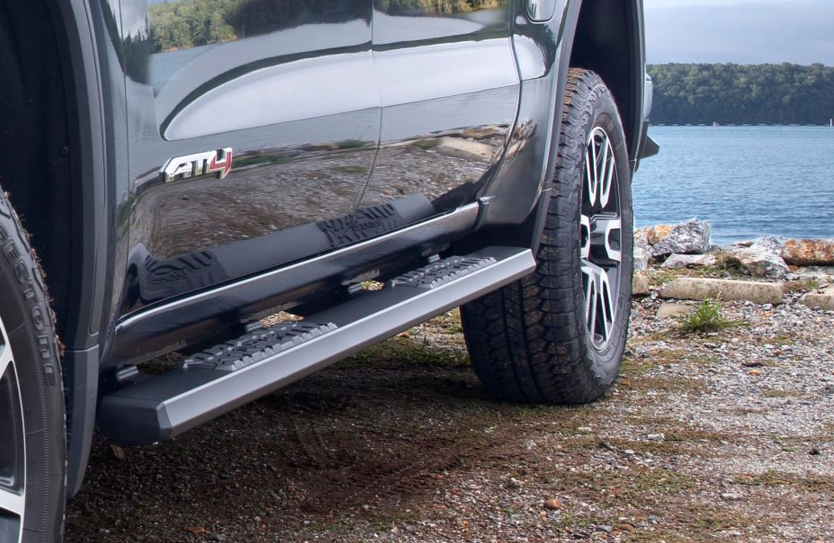
GMC truck side step running board near lakeside

What Are Running Boards on a Truck or SUV? Uses, Benefits and Fitment Tips

Climbing into a lifted truck or tall SUV isn't always graceful, especially with kids in tow or gear to load before sunrise. The right running board can make that step a lot easier. This guide covers what running boards are, how they compare to nerf bars and other step options, and what to check before buying. Feel free to explore running board options we carry at Lum's Auto Center. What Are Running Boards on a Truck or SUV? A running board is a flat platform mounted along the lower sides of the vehicle, just below the doors, giving passengers a wider, stable surface to step on when getting in or out. They're common on pickups, large SUVs, off-road builds, and family vehicles where ride height turns the door sill into a real stretch. Running boards shorten the step up on most trucks and SUVs, and depending on the design, they can also shield lower doors and rocker panels from splash and road debris on gravel roads or muddy trails. How Running Boards Are Built and Mounted Manufacturers build running boards from aluminum, steel, or heavy-duty molded plastic, and each material comes with its own tradeoffs. Aluminum is corrosion resistant and lighter, which is why it shows up so often on SUV applications. Steel is heavier and stronger but needs a quality protective finish to hold up over time. Plastic tends to be the budget option and works fine for lighter-duty use. Mounting usually relies on brackets that bolt into the vehicle's existing factory mounting points along the rocker panel or pinch weld, so most fixed boards go on without drilling. Installation time varies by vehicle and kit, often an hour or two for a straightforward bolt-on set. Powered boards take longer: AMP Research puts a typical PowerStep installation at three to five hours, since the boards wire into the door sensors, though plug-and-play kits that connect through the OBD-II port simplify that work. Why Shoppers Add Running Boards to Trucks and SUVs Running boards solve real, everyday problems that go well beyond looks. We hear from customers across the board on this one, parents buckling kids into car seats, contractors loading up before sunrise, and plenty of people in between who just got tired of hauling themselves up into the cab. Easier Access for Lifted Trucks and Tall SUVs Lifted trucks and tall SUVs look great, but that extra ground clearance makes climbing in tougher for shorter passengers. We've talked with plenty of customers whose kids need a wider stepping surface just to reach the cab comfortably. A running board turns a stretch and a scramble into a simple step up. Passenger Convenience and Family-Friendly Use Compared to a narrow nerf bar, a running board's wider platform gives a steadier place to plant a foot, which matters for children and elderly passengers who need a more forgiving margin for error. Families running carpools or weekend trips often find this one of the more practical upgrades they make to a vehicle. Better Footing in Wet Weather Along the Oregon Coast Drive around Warrenton, OR, Astoria, Seaside, Ocean Park, or Tillamook long enough, and you already know the ground rarely stays dry or clean for long. Running boards Warrenton OR drivers rely on typically feature textured pads, molded grooves, or grip-focused finishes designed to improve traction when the ground and your boots are both wet. No step surface is slip-proof, so it's still worth taking your time on a wet or icy morning. That texture matters more than people expect once you're stepping down onto a rain-slicked board in the dark. Everyday Use for Work Trucks Work truck owners tend to care less about flash and more about dependability. If you're loading tools at 5 AM before a job site, you want a step that's low maintenance and just works every time. Many work truck buyers lean toward a clean, understated look, favoring fixed running boards over powered options that add more things that could eventually need service. Running Boards vs. Nerf Bars: What's the Difference? The nerf bars vs running boards question comes up a lot, and it really comes down to shape, coverage, and purpose. Nerf bars are tubular, often 3, 4, or 5 inches in diameter, usually made of metal with a rubber or textured pad, and they run either cab length or wheel to wheel. Built with a more rugged look, they provide more side impact protection, which appeals to off-road minded owners. Running boards take a flat, platform style approach instead, typically 4 to 7 inches wide, with some stretching up to 10 inches. They sit tucked close to the body for a cleaner, more finished appearance and offer a wider continuous stepping surface, better suited to frequent passenger access. Feature Running Boards Nerf Bars Coverage Continuous flat platform Tubular bar, cab length or wheel to wheel Style Sleek, close to body Rugged, more exposed Best Use Case Frequent passenger access, families Off road protection, side impact Material/Mounting Type Aluminum, steel, or molded plastic; bolt-on brackets Steel tube with rubber/textured pad; bolt-on brackets Neither option wins outright. It comes down to whether you're prioritizing a wide, family friendly step or a rugged bar that doubles as side protection. Other Side-Step Options: Drop Steps, Power Running Boards, Hitch Steps, and Rock Sliders Traditional running boards aren't the only way to make truck side steps easier to use. A few alternatives solve specific problems that flat boards don't always address. Drop Steps Drop steps essentially add a second level to a running board setup. The main bar sits close to the body for style, while a lower step extends down for easier entry on lifted trucks. You gain easier access, but you trade off a bit of ground clearance and stepping area compared to a single wide board. Electric Power Running Boards Power running boards deploy automatically when you open the door and retract when you close it, keeping the vehicle's profile clean and preserving ground clearance off-road. AMP Research's PowerStep shows what the category offers: 600 lbs of support per side, roughly 10 to 12 inches of extension in about a second, anti-pinch technology that re-lowers the board if it meets resistance, weatherproof motors tested to -40°F, and LED courtesy lights. The PowerStep XL steps down about 3 inches lower for lifted rigs. Kits come matched to your specific make, model, and year. Ratings vary by product, and some listings rate one board while others rate the full system. Read the fine print before assuming a number applies to your setup. Hitch-Mounted Steps Hitch-mounted steps attach directly to your trailer hitch and give you a step up to the truck bed, cargo, or a roof rack, while also helping protect your rear bumper from scuffs. They fit standard 1¼ inch, 2 inch, and 2½ inch receivers, usually come with treaded pads for grip, and some models even include an integrated third brake light. They're a solid option if you need occasional bed access without adding permanent side steps. Rock Sliders Rock sliders are the heavy-duty side steps for trucks that off-road enthusiasts lean on. Structural by design, they mount to the frame or body and are typically built from steel or aluminum to protect the rocker panels during rock crawling or trail driving. They double as a step and, in some cases, as a jack or recovery point, though specific protection capability varies by product. Check the specs on the exact model you're considering rather than assuming one rating applies across the board. Appearance and Style Considerations Style matters almost as much as function for a lot of buyers. A wider board tends to feel more stable underfoot and gives off a sturdier look, while a narrower bar often reads as cleaner and sportier. Finish options include chrome, stainless steel, black powder coat, and paintable surfaces that can be matched to your vehicle's color. There's no single correct answer here since so much of it comes down to what look you're going for and how you use the truck day to day. Fitment Basics: What to Check Before You Buy Before you buy, it helps to know that running boards being universal is mostly a myth. Fit varies by vehicle, and getting it right matters for both function and appearance. Matching Boards to Your Vehicle's Make, Model, and Trim Running boards are generally engineered around a specific make, model, year, and sometimes trim level. A universal kit might technically bolt on, but it risks misalignment, uneven gaps, or premature wear, especially with power deploying boards that rely on precise sensor placement. Checking compatibility against your exact vehicle before ordering saves headaches later. Mounting Points, Load Rating, and Installation Notes Confirm whether the board uses your vehicle's factory mounting points, and pay attention to whether a load rating applies to a single board or the whole system, since that distinction affects how you should think about weight capacity. If you're adding a power running board with wiring and sensors, plan for a more involved installation than a simple bolt-on kit. If you're not sure which combination of features, materials, and mounting hardware fits your truck or SUV, our team can walk through the options with you and connect you to Lum's accessories suited to your vehicle. Get Help Choosing Running Boards at Lum's Auto Center OEM vs. Aftermarket and Brand Availability If you're still weighing side steps vs running boards, or wondering who installs running boards on trucks in your area, our service team at Lum's Auto Center can help you sort through the options for your specific make and model. We carry accessories for Toyota, Chrysler, Dodge, Jeep, and Ram vehicles, including Mopar parts, and can walk you through the tradeoffs between OEM and aftermarket choices so you know exactly what you're getting. Ready to Move Forward? Whether you're searching for running boards installed near me or just want to confirm fitment before you buy, reach out to our team or stop by our Warrenton location. You can also browse Lum's running boards online or contact us directly to schedule a consultation before making a purchase, especially if you want to avoid fitment surprises down the road. Frequently Asked Questions About Running Boards Do running boards fit all trucks and SUVs? No. Most are engineered for a specific make, model, year, and sometimes trim, and they mount to factory points that differ between vehicles. Even within one model line, a crew cab and an extended cab need different lengths. Always confirm fitment against your exact vehicle before ordering. Can I install running boards myself? Fixed bolt-on boards are within reach for most people with basic tools, often taking an hour or two when the vehicle has factory mounting points. Powered boards are a bigger job. AMP Research puts a typical PowerStep install at three to five hours because the boards wire into the door sensors. How much weight can running boards hold? It depends on the product. AMP Research rates its PowerStep and PowerStep XL at 600 lbs per side. Many fixed boards and nerf bars are rated lower, and some listings don't publish a rating at all. Check whether the number applies to one board or the full system. Do running boards hurt ground clearance or off-road ability? Fixed boards and drop steps sit below the rocker panel, so they reduce clearance and can catch on obstacles. Power running boards retract above the frame rails when the doors close, and rock sliders are built to take contact with rocks and terrain.

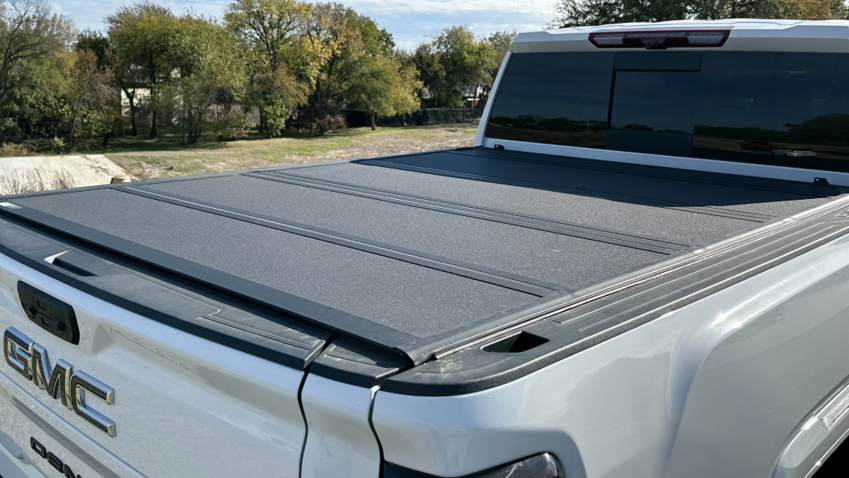
GMC pickup truck bed with hard tonneau cover

Types of Truck Bed Covers: Soft, Hard, Folding and Roll-Up Options Explained

Picking the right bed cover isn't just about looks. It changes how your cargo stays loaded and dry, and how much protection you get against theft. If you're comparing types of truck bed covers for a truck you already own, or you're still shopping for the right truck, this guide breaks down how each style works and which one fits your daily routine. Why Truck Bed Covers Matter for Oregon Coast Drivers Around Warrenton, OR, rainfall isn't a seasonal inconvenience, it's a year-round reality. The Astoria/Warrenton area sees a normal annual rainfall of 70.26 inches, with November alone averaging 11.05 inches (NWS). A bed cover keeps your cargo dry through that, cuts down on UV fading for your bed liner, and keeps tools or gear tucked out of sight when you're parked at a trailhead or job site. Soft Tonneau Covers: Roll-Up and Folding Styles Soft bed covers are built from vinyl or canvas material stretched over a frame. They're the lightest, most affordable category, and most owners can install one without drilling into the bed. How Roll-Up Covers Work and Who They Suit A roll-up soft cover uses vinyl or canvas stretched over a bow frame. You unsnap it and roll it toward the cab, opening the entire bed in seconds. Installation typically takes under 30 minutes with no drilling required. This style suits drivers who need frequent full-bed access, like weekend haulers moving mulch or furniture. How Folding (Tri-Fold) Covers Work and Who They Suit Tri-fold covers use marine-grade vinyl stretched over a rigid aluminum frame, split into three hinged panels. You fold the rearmost panel toward the middle, then toward the cab, giving you a choice between partial or full bed access. This works well for drivers who split time between work errands and weekend trips, since you can leave part of the bed covered while loading taller items in front. Soft Cover Pros, Cons, and Weather Considerations Soft covers keep out light rain but aren't sealed tight, so standing water or a heavy downpour can find its way in around the edges. Security-wise, they offer essentially zero theft deterrence; a pocket knife can slice through the vinyl in seconds. Their advantage is weight: soft covers come off easily when you need the whole bed open, and installation rarely takes more than an hour. Hard Tonneau Covers: Roll-Up, Folding, and One-Piece Styles Hard covers come in three main configurations: hard roll-up, hard folding, and one-piece hinged. All three trade some of the soft cover's flexibility for meaningfully better security and weather sealing. Hard Roll-Up and Hard Folding Covers Hard roll-up covers use interlocking aluminum, polycarbonate, or composite slats, which add real reinforcement compared to a soft shell alone. Hard folding covers mount rigid panels on an aluminum frame, using a hidden or quick-release latch that auto-locks each panel. Many models include weather sealing features such as perimeter bulb seals and internal drain tubes that channel water out behind the wheel wells. Some hard roll-up and folding covers can be driven with the cover open, partially open, or fully closed, offering more flexibility than a one-piece design. One-Piece Hinged Hard Covers A one-piece hard cover lifts from the tailgate end like a hood, using a single solid panel. It's the most rigid and secure configuration, which is why work trucks and fleet vehicles commonly pair it with a spray-on bedliner. The tradeoff is flexibility: cargo taller than the closed cover simply won't fit, so this style suits drivers hauling consistent, lower-profile loads. Hard Cover Pros, Cons, and Security Benefits Hard covers overall provide strong locking mechanisms and good weather sealing. Per LINE-X's own comparison guide, hard folding, retractable, one-piece, and topper-style covers rank among the best options for security. Brand-specific weight ratings back up that durability angle: BAKFlip lists its BAKFlip G2 at 300 lbs of evenly distributed support and the BAKFlip MX4 at 400 lbs. The downside is weight and bulk, which can make removal a two-person job compared with a soft cover. Retractable and Snap-On Cover Options Not every driver wants a fixed roll-up or hinged panel. Retractable and snap-on styles fill the gap between full security and everyday convenience. Retractable Covers for Flexible Access Retractable covers use interlocking aluminum or polycarbonate slats that retract into a canister mounted at the front of the bed, operated with a simple handle pull. What you end up with is a flush, locked appearance with full bed access whenever it's open. Retrax backs its RetraxPRO MX and XR models with its Legendary Lifetime Warranty, while RetraxONE models carry a limited lifetime warranty with replacement costs prorated after the first year. Its aluminum-slat covers support up to 500 lbs of evenly distributed weight and are tested from -40°F to 180°F and up to 95 percent humidity. Installation runs about 2 to 3 hours, longer for electric-powered versions that need power routing. If you're unsure about fitment or wiring, our service team can walk through installation details before you buy. Snap-On and Low-Profile Vinyl Covers for Budget Buyers Snap-on vinyl covers mount on a frame clamped to the bed rails and secure with snaps, with individual sections that unsnap for quick access. Per LINE-X's comparison, this style stays visible above the bed rails rather than sitting flush, so it won't have the low-profile look of retractable or hard one-piece designs. It's a reasonable entry point if a simple, budget-friendly setup matters more than a polished finish. Soft vs Hard Tonneau Cover: Side-by-Side Comparison Here's a quick comparison to help narrow down which type of cover is best for your situation. Cover Style Best For Relative Cost Bed Access Weather Sealing Look Soft roll-up Frequent full-bed loading $ Full, rolls to cab Water-resistant Sits above bed rails Soft tri-fold Mixed work and weekend use $ Partial or full Water-resistant Low, slight rail profile Snap-on vinyl Budget basic coverage $ Section by section Water-resistant Sits above bed rails Hard roll-up Security with full access $$ Full, rolls to cab Good, often with seals and drains Low profile Hard folding All-around daily driver pick $$ Partial or full Good, often with seals and drains Flush, low profile Retractable Flexible access, premium finish $$$ Any position, locks open Good, sealed canister and drains Flush, cleanest look One-piece hinged Work trucks, consistent low loads $$$ Full, but limits cargo height Best sealing Flush, matches paint Matching a Cover to How You Actually Use Your Truck Which cover is best really depends on how you use your truck week to week, not just which one looks best in the driveway. Matching Cover Type to Bed Access Needs If you're constantly loading bulky items, a roll-up or folding cover keeps that flexibility intact. If security matters more than access, a hard folding or one-piece design makes more sense. Weather Protection and Cargo Security on the Oregon Coast Given the rainfall totals mentioned earlier, hard one-piece and retractable covers come closest to sealing out water, though no cover on the market is truly waterproof. For drivers navigating gravel or rural roads in Clatsop County or Pacific County, that sealing difference matters more over time, especially if you're storing gear between trips rather than unloading daily. How you use the bed matters just as much. If your truck works during the week, think about what else lives back there: a crossbed toolbox, ladder rack, or bed rails all affect which covers fit, and some styles won't clear a toolbox at all. If your weekends involve crab rings, waders, camping gear, or kayak paddles, a locking cover means you can leave gear in the bed at a trailhead or boat ramp instead of hauling it into the cab. Tall or awkward loads, like a cooler stack or a rolled tent, favor a folding or retractable cover you can open partway, while a one-piece cover caps how tall your cargo can be. Looks and Getting It Installed Appearance splits the categories fairly cleanly. Soft roll-up and snap-on covers sit above the bed rails, so the cover reads as an add-on. Hard folding, retractable, and one-piece covers mount flush or near-flush for a factory look, and one-piece covers can often be color-matched to your truck's paint. Soft covers remain the quicker path to basic protection, while hard and retractable covers ask for a bigger investment in exchange for security and a cleaner look. Fitment is vehicle-specific by year, make, model, and bed length, so covers aren't universal across every model year, even within the same brand. Always confirm fitment before buying. Frequently Asked Questions About Truck Bed Covers Are Tonneau Covers Waterproof? No cover on the market is fully waterproof. All tonneau covers are water-resistant to varying degrees, and hard one-piece and retractable styles come closest to sealing out water completely. Do Tonneau Covers Affect Fuel Economy? Results vary by cover type, speed, and load, so there's no universal mpg gain to expect. A SEMA wind-tunnel study tested 13 covers and found about a 5 percent drag reduction, which translated to an estimated 2 percent fuel economy improvement at an average 48 mph. Consumer Reports found the opposite in a road test: a V8 Ram returned 22.3 mpg at highway speed with the tailgate up and no cover, dropping to 21.4 mpg with a soft tonneau installed, about a 4 percent loss. Treat any fuel economy claim as a secondary benefit, not a guarantee. Can I Install a Tonneau Cover Myself? Soft roll-up and tri-fold covers are generally the easiest to install, often installable in 20 to 45 minutes without drilling. Hard folding covers take closer to 1 to 2 hours, and retractable covers, especially electric versions, can run 2 to 3 hours with additional wiring work. If you'd rather have it done right the first time, you can schedule a service appointment with our team. Find the Right Tonneau Cover at Lum's Auto Center Talk to Our Team We sell and install Toyota, Mopar, and aftermarket tonneau covers across our Oregon and Washington locations, so whether you're weighing a soft roll-up for weekend trips or a hard one-piece for job-site security, our team can talk through what fits your truck. If you're still deciding what type of cover is best for your specific model, explore tonneau cover options at Lum's Auto Center or browse our full accessories lineup for other upgrades worth pairing with a new cover. Fitment questions, hauling gear up the coast, wondering how a cover holds up under Oregon Coast rain? Contact our team at any of our Oregon and Washington locations and we'll help you match the right cover to your truck.

Technician connecting jumper cables during vehicle battery service

Battery Service and Replacement in Warrenton: Oregon Coast Weather Checklist

If your car has ever struggled to start on a foggy Warrenton morning, you already know the Oregon Coast is tough on batteries. Salt air, damp mornings, and short errands around town chip away at battery life faster than what drivers inland typically deal with. At Lum's Auto Center, we see the pattern every week, and we want you to understand what's happening under your hood before you're stuck in a parking lot turning the key and getting nothing back. If you're already noticing warning signs, schedule battery service online and we'll get you a proper diagnostic instead of a guess. Why Oregon Coast Weather Puts Extra Strain on Your Battery Coastal living has plenty of perks, but your car battery doesn't share in the enthusiasm. Salty moisture and cool temperatures wear batteries down well before the mileage on your odometer would suggest, and stop-and-go local driving doesn't help matters. Salt Air and Terminal Corrosion Salt particles hang in the air here constantly, and they settle on battery terminals and connections, speeding up corrosion. Once corrosion sets in, power delivery suffers because the connection between the terminal and cable weakens. Humid conditions make it worse. If you spot white or greenish buildup around your terminals, that's corrosion, and it often lines up with starting trouble. Salt and humidity don't stop at the main terminals either. They get into ground straps and low-voltage connectors too, which can trigger warning lights, sensor errors, or a no-start condition that seems to come out of nowhere. Cold, Damp Mornings and Reduced Cranking Power Cold mornings hit batteries harder than most drivers realize. A battery loses around 35% of its strength at 32°F, and roughly 60% at 0°F, according to AAA. Cold slows the chemical reactions inside the battery, so a vehicle's engine can demand about 50% more energy to crank at freezing temperatures. On top of that, cold thickens engine oil, making the engine harder to turn over in the first place. Add in morning dew and condensation, and you've got moisture collecting right around your terminals, which compounds the corrosion problem already mentioned. Short Trips and Moisture-Related Wear Plenty of Warrenton driving happens in short bursts, whether it's a quick trip to the store or a school pickup. These short hops don't give the alternator enough time to fully recharge the battery. Over time, that gradual charge loss leads to sulfation, where lead sulfate crystals build up on the battery plates and hurt performance. It's a slow, quiet failure that often goes unnoticed until the battery simply won't hold a charge anymore. Warning Signs You Need Battery Service in Warrenton Most battery failures don't happen without warning. The trick is knowing what to look for before you're stranded. Slow Starts and Car Won't Start Symptoms A slow engine crank is usually the first clue. You might also notice headlights dimming at idle, power windows moving sluggishly, the radio cutting out, or dash lights flickering intermittently. If you've needed a jump-start more than once recently, that's a strong signal the battery isn't holding its charge the way it should. Dashboard Battery Warnings and Electrical Issues A dashboard battery light doesn't automatically mean you need a new battery. It points to a charging or electrical system issue, and a loose terminal or a failing alternator can trigger it just as easily as a dying battery. Generally speaking, batteries cause slow cranking, dim lights, and repeat jump-start situations, while alternator problems tend to cause the car to die while driving or trigger that dash light mid-trip. Sorting out which one you're dealing with really requires testing rather than guesswork. Corrosion, Swelling, or Battery Age Concerns White or green buildup on the terminals can cause hard starts, flickering electronics, and charging problems, and it often points to an aging or overcharging battery. A swollen or bloated battery case is a more urgent red flag. It usually means overheating or overcharging, and it carries the risk of leaking acid or rupturing outright, so immediate replacement is the right call. Age matters too. Most batteries last three to five years, though vehicles loaded with electronics tend to skew closer to the three-year mark. Once your battery passes that three-year point, it's worth having it tested. Why Testing Comes Before Replacement A weak-looking battery doesn't always need replacing, and drivers who skip testing often end up paying for a battery they didn't actually need. What a Battery Health Check Involves A proper battery health check starts with a voltage check, but that's only half the picture. A load test, using a carbon pile load tester, varies the current draw on the battery to see how it actually performs under stress. Electronic conductance testing goes further, measuring CCA and giving us the most accurate modern read on battery health. We also test alternator output under load, inspect the drive belt and charging wiring, and check for excessive key-off current drain, which should stay under 50 milliamps. If you've recently had an alternator replaced, we'll check the battery's condition as part of that process too, since the two systems work hand in hand. Charge, Replace, or Good to Go: Understanding Your Results Once testing is complete, the results usually land in one of three places. The battery might just need a full charge, it might need replacing outright, or it might be perfectly fine while something else in the charging system is the actual culprit. Sulfation can sometimes prevent a battery from taking a full charge even after service, which is another reason a professional test matters more than a jump-start and a hope. Schedule an appointment and we'll walk you through the results in plain language. Coastal Battery Maintenance Tips for Warrenton Drivers A little routine care goes a long way toward keeping your battery healthy in a salt-air environment. Preventing Corrosion in Salt Air Conditions Clean terminals periodically with a mix of baking soda and water and a gentle wire brush, then rinse and dry thoroughly. Apply dielectric grease to the terminals after cleaning to help block moisture and slow future corrosion. Inspect terminals visually every few weeks, especially after rainy stretches. Salt-induced corrosion on grounds and sensor connectors causes intermittent electrical gremlins that are genuinely hard to diagnose without proper testing. Seasonal Habits That Extend Battery Life Take your vehicle on a highway drive of at least 15 to 20 minutes once a week to give the battery a real chance to recharge fully. Turn off accessories, lights, and climate controls before shutting off the engine to avoid overnight parasitic drain. Have your battery tested once it passes the three-year mark, even if it seems to be starting fine. Age-related decline often shows up in testing before it shows up in daily driving. Battery Service for Toyota and Other Popular Models Different makes have different electrical demands, and battery service should reflect that. If your Toyota is showing a weak battery, hard starts or dim headlights when the engine's off are common tells, and we test it thoroughly before recommending anything. When replacement is genuinely needed, we typically recommend a Toyota TrueStart™ battery, built to Toyota's own standards with the correct CCA and RC for reliable performance in any climate, including ours. You can learn more about our Toyota battery service and replacement process and what to expect. Beyond Toyota, our technicians also service Chrysler, Dodge, Jeep, Ram, and GMC vehicles, and we handle proper disposal of the old battery so you don't have to think about it. Schedule Battery Inspection and Service at Lum's Auto Center Serving Warrenton and the Oregon Coast Whether you're driving in from Astoria, Seaside, or Ocean Park, our Warrenton service center is set up to make battery service straightforward. We regularly run a complimentary battery health check special, so ask us about current offers when you call or stop by since it's a great way to catch a weakening battery before it strands you. You'll find us at 1605 SE Ensign Lane, Warrenton, OR, open Mon–Fri 8 AM–5 PM and Sat 8 AM–4 PM. Battery Types We Work With Battery type, corrosion resistance, and best use case are the main differences worth understanding when comparing options. Standard flooded batteries offer moderate corrosion resistance and suit everyday coastal commuting. AGM batteries offer higher corrosion resistance and fit vehicles with heavy electronic loads better. Toyota TrueStart™ batteries are engineered for varied climates and matched to Toyota specs, making them the right choice for Toyota models needing an OEM-matched fit. All three types generally carry a typical lifespan of three to five years, with CCA and reserve capacity varying by vehicle application. Book Your Visit For battery service Warrenton OR drivers can count on, schedule your battery inspection online or reach out to our team with any questions before you come in. Battery Service FAQs How long do car batteries typically last? Most last three to five years, though extreme temperatures, frequent short trips, and heavy electronics use can shorten that, with electronics-heavy vehicles often skewing closer to the three-year mark. Does cold weather permanently affect a battery's capacity? It can. Cold thickens the electrolyte and increases internal resistance, and repeated exposure without proper charging can permanently reduce capacity over time. Does a dashboard battery light always mean I need a new battery? No. It signals a broader charging system issue, which could involve the alternator or a loose terminal rather than the battery itself. Is a small amount of terminal corrosion a big deal? Light corrosion can be cleaned, but any buildup around the posts should be inspected soon to avoid starting or charging problems down the road. If a jump-start gets my car running, is the battery actually fine? Not always. A jump-start gets you moving, but it doesn't tell you what's actually wrong, and a weak battery may not hold that charge, leaving you stranded again shortly after.

Technician installing brake pad during vehicle brake service

Brake Service Near Astoria and Warrenton: Signs Your Vehicle Needs Inspection

Noise, softness, pulling to one side. If your brakes are doing any of that, pay attention. Drivers around Astoria and Warrenton deal with faster brake wear than most people in drier, flatter parts of the country, and putting off a fix here can turn something minor into a real safety problem. We've kept Oregon Coast drivers safely on the road since 1969, and we want you to know exactly what to watch for and when to call. If you're noticing any of the signs below, schedule a brake inspection with us before your next trip up Highway 101. Why Astoria and Warrenton Drivers Face Extra Brake Wear Brakes here work harder than they do almost anywhere else in the state. Astoria's terrain climbs fast from the bay, with Coxcomb Hill sitting nearly 600 feet above the water, and every steep descent means your brakes absorb more heat than they would on flat ground. Add near-constant moisture, tourist season traffic crawling through town, and salt spray off the water, and pads, rotors, and fluid all wear out faster than they should. Drivers searching for brake service near Astoria OR are usually dealing with these exact conditions, and catching the warning signs early keeps a small fix from becoming a big one. 7 Warning Signs Your Brakes Need Professional Attention Brakes usually give you a heads-up before they fail outright. Learn to catch these signals and you can get ahead of a problem instead of reacting to it on the road. Grinding or Metal-on-Metal Noise A grinding or scraping sound usually means the pads have worn all the way down, and metal is now grinding directly against the rotor. Get this looked at right away. Driving on metal-to-metal contact chews through rotors fast and cuts down your stopping ability with every mile you drive. Squealing or High-Pitched Squeaking That squeal often comes from the built-in wear indicator tab, a small piece designed to warn you before your pads get dangerously thin. Sometimes it's just glazing or moisture on the rotors, but either way, it's worth having a technician take a look. Soft, Spongy, or Sinking Brake Pedal If the pedal feels soft, sinks toward the floor, or needs more pressure than usual, you might have air in the lines, a fluid leak, or worn pads. Brake fluid also absorbs moisture over time, which contributes to that spongy feeling and can hurt stopping performance. Vibration or Pulsing When Braking A pulsing sensation through the pedal or steering wheel typically points to warped rotors. A professional inspection is the only reliable way to tell whether resurfacing will fix it or the rotors need full replacement. Vehicle Pulling to One Side If your car drifts left or right when you brake, uneven pad wear or a dragging caliper is likely the cause. This affects control, especially in wet conditions common around Clatsop County. Longer Stopping Distances Needing more room to stop than you used to means components are wearing down. On wet roads, stopping distances increase substantially, so worn brakes make an already risky situation worse. Dashboard Brake Warning Light That light on your dash doesn't turn on for no reason. Pair it with a different pedal feel or a pull to one side, and it's time to get things checked out. Risks of Ignoring Brake Warning Signs Brake problems left unattended tend to compound. A dragging caliper wears down a rotor. A rotor left too long chews through a fresh set of pads. Reduced stopping power and brake fade on long descents are common outcomes of ignoring early warning signs, and what starts as a simple pad replacement can turn into a rotor replacement or caliper repair if left unaddressed. On the Oregon Coast's hills and wet roads, that delay carries real safety risk, not just a bigger repair bill down the line. How Coastal Weather and Local Driving Conditions Affect Brake Life Those warning signs trace back to conditions unique to living on the Oregon Coast. Astoria sees an average of 81 inches of rain a year, with November alone bringing around 14 inches over 24 rainy days, and humidity that sits between 81% and 84% year-round. That moisture speeds up corrosion on rotors, calipers, and hardware, and it affects brake fluid too. Brake fluid is hygroscopic, meaning it absorbs moisture over time. That lowers its boiling point and can lead to internal corrosion, which explains that spongy pedal feel and longer stopping distances we mentioned earlier. Then there's the terrain. Hilly, downhill driving, like what you get near Coxcomb Hill, puts more heat into your braking system than flat-road driving does, and pads and rotors pay the price faster. Stop-and-go traffic, especially during tourist season when Highway 101 fills up, doesn't give brakes time to cool between stops, and that heat cycling adds up over time. Put all of this together and it's clear why brake repair Oregon Coast drivers need looks a little different than brake maintenance in drier inland regions. NHTSA data shows that roughly 12% of crashes are weather-related, and rain or wet pavement accounts for over 77% of those weather-related crashes, representing 74% of weather-related fatalities, largely because wet roads reduce tire traction and increase stopping distance. In a place as wet as Astoria, that statistic hits close to home. Simple Habits That Extend Brake Life A few small changes in how you drive can meaningfully slow down brake wear, especially given our local terrain and weather. Coast to stops when you can instead of braking hard at the last second, which reduces heat buildup and pad wear. Avoid riding the brake on long downhill grades near Coxcomb Hill; downshift or ease off the accelerator earlier instead. Rinse salt spray and road grime off your wheels after coastal drives to slow corrosion on calipers and rotors. How Often You Should Get a Brake Inspection Most brake inspections are recommended once a year or every 12,000 miles, whichever comes first. That guideline assumes average driving conditions, not the hills and moisture we deal with in Clatsop County. If you're doing frequent stop-and-go driving or regular hill descents, aim closer to every 6 months or 6,000 miles, sometimes stretching to 6-8 months depending on how you drive. If you notice any unusual sounds, vibrations, or warning lights before your next scheduled check, don't wait. Get it looked at right away. Brake Service Types Compared Not every brake issue calls for the same fix. Here's a quick breakdown of common services and when they typically come into play. Service Symptom Addressed Typical Trigger Urgency Level Approximate Service Time Pad Replacement Squealing, grinding Pads worn to minimum thickness or wear indicator activated High if grinding, moderate if squealing Under an hour Rotor Resurfacing Vibration or pulsing Warped or unevenly worn rotor surface Moderate About an hour Caliper Repair Pulling to one side Dragging or sticking caliper Moderate to high One to two hours Brake Fluid Flush Spongy pedal, longer stopping distance Moisture-contaminated or aged fluid Moderate Under an hour What to Expect During a Professional Brake Inspection at Lum's Auto Center When you bring your vehicle to our Warrenton service department, our factory-trained technicians check pad thickness, measure the rotors, inspect calipers for dragging or leaks, and test the condition of your brake fluid. We service Toyota, Chrysler, Dodge, Jeep, Ram, and many other makes, using genuine parts throughout. If you drive a Toyota, our Toyota brake service is part of the Toyota Express Maintenance program, a multi-point inspection that specifically verifies your pad thickness is at a safe level. We also offer a complimentary brake inspection, where our technicians look over your pads, rotors, and overall braking system at no cost. If we find something that needs attention, we'll walk you through your options before any additional work begins. This offer can't be combined with other promotions, so ask us for current details when you call. Once you know where your brakes stand, you're in a much better position to plan ahead rather than react to a problem on the road. If something doesn't feel right, don't put it off. Schedule Your Brake Service Near Astoria or Warrenton Today Why Choose Lum's Auto Center Between the hills, the rain, and the traffic patterns around here, brake wear isn't something you want to guess about. Whether you're hearing a squeal, feeling a pull, or just haven't had your brakes checked in a while, our team at Lum's Auto Center is ready to help. As a family-owned dealership serving Oregon and Washington since 1969, we've built our reputation on straightforward, reliable service for drivers throughout Astoria, Warrenton, and Clatsop County. Get in Touch Stop by our Warrenton service department at 1605 SE Ensign Ln, Warrenton, OR 97146, or call us at 503-861-1144 to talk with our team. Ask about our current service offers when you call, including our complimentary brake inspection. Ready to get your brakes checked? Book your service appointment online today, and let our factory-trained technicians make sure you're stopping safely on every trip along the Oregon Coast.

Oil Change

Oil Change Service in Warrenton, OR: What Drivers Should Know

Oil is the one fluid your engine can't run without, yet it's often the maintenance item drivers put off longest. Whatever's parked in your driveway, staying on top of oil changes keeps your engine running smoothly for years. If your vehicle is due for oil change service in Warrenton, OR, you can schedule service online now and get it handled before small issues turn into big ones. Why Regular Oil Changes Matter for Your Vehicle Oil does far more than just "lubricate" your engine. It reduces friction between moving parts, cools components that coolant can't reach (think crankshaft, pistons, camshaft, bearings), and cleans the engine by trapping dirt and debris as it circulates. Detergents and dispersants in the oil keep contaminants suspended until the oil becomes saturated and needs replacing. Clean oil also cuts down on friction enough to improve your gas mileage, and that adds up whether you're running errands around town or heading up the coast. The Role of Oil in Engine Performance and Longevity Every time your engine runs, oil is working overtime. It protects metal surfaces from wear, fights off corrosion and rust, and manages heat in spots your cooling system simply can't touch. As oil ages, it loses its ability to do these jobs effectively, which puts extra stress on internal components with every mile driven. Risks of Skipping or Delaying Oil Changes Skip enough oil changes, and old oil breaks down into thick, tar-like sludge that clogs oil passages. Degraded oil also allows deposits to build up on pistons, valves, and injectors, forcing a richer fuel-air mixture that burns more fuel and increases emissions. Acidic, aged oil corrodes metal parts, and once lubrication fails, you're looking at metal-to-metal wear that shortens engine life. Skipping your manufacturer's recommended maintenance schedule can also void your vehicle's warranty, an expensive risk for something this routine. How Oregon Coast Driving Conditions Affect Your Oil Driving near the Oregon Coast comes with its own set of challenges for engine oil. Wet roads, shifting weather, and salt-laden air create conditions that push oil to work harder than it would inland. Moisture, Salt Air, and Stop-and-Go Traffic in Warrenton Salt accelerates rust, and along the coast, humidity, heat, and airborne salt create oxidation conditions year-round, unlike the seasonal road salt drivers deal with elsewhere. That salt air doesn't stay outside the engine bay either. It works its way into the fuel system, corroding fuel lines, battery terminals, clamps, and brackets over time. Short trips are common around Warrenton, quick runs to the store or drives across town, and that creates its own problem. Trips under five miles rank among the top "severe service" conditions because the engine never fully warms up. Moisture and acids from combustion blow-by accumulate in the oil instead of burning off. If your daily driving looks like this, your oil change interval on the Oregon Coast probably needs to be shorter than the standard recommendation. How Often You Need an Oil Change: It Depends There's no single answer to how often you need an oil change. It depends on your vehicle, the oil type, your mileage, and how you drive. A flat number without any questions about your driving habits is just a guess. Mileage, Time, and Manufacturer Guidelines Check your owner's manual first for interval guidance; it typically specifies "whichever comes first," time or mileage. Oil degrades with age as well as use. Many newer vehicles include oil life monitoring systems that track engine operating conditions and usage, among other factors, giving you the best real-world estimate for your specific vehicle. Conventional vs. Synthetic Oil Change Intervals Conventional oil and filters generally need replacement every 5,000 to 7,500 miles. Semi-synthetic blends suit vehicles carrying heavier loads or covering longer highway distances. Full synthetic oil is often rated for 5,000 to 10,000 miles by automakers, and vehicles with oil life monitors may stretch that to 10,000 to 15,000 miles. Toyota recommends a synthetic oil change every 10,000 miles or 12 months, while Ford suggests roughly 7,500 miles or six months. Even low-mileage drivers should change synthetic oil every six months to a year, regardless of miles driven. Compare your options below: Oil Type Recommended Interval Best For Cost Factor Conventional 5,000-7,500 miles Older vehicles, light driving Lower upfront cost Synthetic Blend 6,000-8,000 miles Heavier loads, longer drives Moderate Full Synthetic 5,000-10,000+ miles Most modern vehicles, coastal conditions Higher upfront, fewer changes needed Consumer Reports cautions that while synthetic oil holds up longer, drivers shouldn't exceed the manufacturer's time interval, typically six months to a year for vehicles with low mileage or frequent short trips. How Driving Habits Influence Your Ideal Interval Short trips, stop-and-go traffic, extreme temperatures, and towing can significantly shorten oil life compared to steady highway driving. Severe service conditions include trips under 5 miles, city stop-and-go traffic, towing or hauling, extreme heat or cold, and infrequent vehicle use. As a rule of thumb, plan to change your oil somewhat earlier than the maximum interval if your driving fits any of these patterns. Towing, for example, can put more wear on your engine than the same distance of normal driving. Even hybrid owners aren't exempt. Hybrids run cooler overall, but they still need time-based oil changes because short trips let moisture accumulate in the oil regardless of engine temperature. Warning Signs Your Vehicle Needs an Oil Change Toyota identifies several signs that indicate your vehicle is due for service, including darkened oil, increased engine noise or knocking, excessive exhaust smoke, a burnt oil smell, and a noticeable drop in fuel efficiency. Beyond that list, watch for: A dashboard oil warning light A temperature gauge reading higher than normal Dark or sludgy oil on the dipstick (fresh oil is amber and translucent) Engine noise that wasn't there before Fuel economy that's quietly dropped If you notice any of these, don't wait for your next scheduled visit. Bring your vehicle in sooner rather than later. What's Included in a Professional Oil Change Service A proper oil change service involves more than draining and refilling. It's an opportunity to catch small problems before they become expensive repairs. Oil and Filter Replacement Process Oil collects dirt, debris, and metal particles as it circulates, and the filter is what traps those contaminants. Replacing the filter alongside the oil is a core part of the service. Skipping the filter while changing the oil defeats much of the purpose. Multi-Point Inspection and Fluid Checks A thorough multi-point inspection checks engine oil, transmission fluid, brake fluid, power steering fluid, coolant, and washer fluid, along with the oil and air filters. Technicians also examine brake pad thickness, rotate tires, reset TPMS sensors, and inspect belts for cracking, fraying, or glazing. Hoses get checked for leaks, swelling, or brittleness, and the battery is tested for charge along with a check for terminal corrosion, which matters even more here given how salt air affects battery terminals and brackets along the coast. Fluid top-offs are typically included at no extra charge. This is also where the difference between service options becomes clear. National quick-lube chains and parts-store service counters get you in and out fast, but their model is built around speed rather than a deep inspection of what's actually going on under the hood. A dealership service model, staffed by factory-trained technicians using OEM-spec parts, is better equipped to catch issues in complex vehicle systems and service them correctly the first time. If you're ready to have all of this handled, schedule service online and we'll take care of the rest. Why Choose Lum's Auto Center for Oil Change Service in Warrenton, OR At Lum's Auto Center, we've built our reputation on doing things right. Our technicians are factory-trained and use Toyota Genuine Parts along with OEM-spec fluids across the other makes we service, including Chrysler, Dodge, Jeep, and Ram, so your warranty coverage stays intact and repairs fit correctly the first time. Every visit includes our multi-point inspection at no extra charge, so you leave knowing the condition of your brakes, belts, hoses, and battery too. We also make it convenient: free pickup and return within 20 miles, a no-touch key drop with phone payment for those who want a contact-free appointment, or a sanitized waiting room if you'd rather stay on-site. Drivers coming in from Seaside, Ocean Park, and Tillamook find us just as easy to reach as folks already in Warrenton. Frequently Asked Questions About Oil Change Service How do I know what oil type my vehicle needs? Your owner's manual has this information. Using the wrong viscosity or specification increases engine wear, so it's worth following the manufacturer's requirement rather than guessing based on what a previous vehicle used. How much does an oil change cost? Cost depends on oil type (conventional, blend, or full synthetic), vehicle size, and any additional services performed during the visit. Rather than guessing at a price, check our current service and parts specials or give us a call for a quote specific to your vehicle. Can synthetic oil extend my service interval? Yes, within the limits set by your manufacturer. Synthetic oil is more stable, resists breaking down at high temperatures, flows better in cold weather, and includes additives that offer extra protection. That said, severe driving conditions still shorten the effective interval, so it's worth confirming your specific interval through your owner's manual or your vehicle's oil life monitor. Schedule Your Oil Change Service Today Whatever you drive, staying ahead of your oil changes here on the Oregon Coast doesn't have to be complicated. Our team is ready to get you in, inspected, and back on the road, whether that's a quick synthetic oil change or a full Toyota Express Maintenance visit. Book your oil change and check out our current service and parts specials before your next visit to make sure you're getting the most value for your maintenance dollar.

Ram truck raised on lift during service appointment

Auto Service in Warrenton, OR: Schedule Maintenance at Lum's Auto Center

Coastal weather is rough on cars. Between the salt air, the humidity, and the rain that never seems to let up, vehicles driven around Warrenton, Oregon take a beating that drivers in drier parts of the state just don't deal with. Brakes wear out faster here, metal corrodes quicker, and components tend to give out sooner than they should. If you want auto service Warrenton OR drivers can actually count on, you need a shop that's familiar with what this climate does to a vehicle over time, not just one running through a generic maintenance checklist. At Lum's Auto Center, we've serviced cars along this stretch of coastline for decades, so we know exactly what the salt air does to a car after a few Oregon winters. You can schedule service online whenever you're ready, or keep reading to see how we handle maintenance for coastal drivers. Why Warrenton Drivers Trust Lum's Auto Center for Auto Service We've been family-owned since 1969, and our roots run deep in Clatsop County and Pacific County. Generations of local drivers have brought their vehicles to us, and that kind of loyalty doesn't happen overnight. It comes from showing up year after year with straight talk and repairs people can rely on. Our location works well for drivers throughout the region. Drivers coming from Astoria, Seaside, Ocean Park, and Tillamook all find us within easy reach, which matters for coastal communities that don't have a lot of dealership options close by. That convenience matters when your car needs attention and driving an hour inland just isn't practical. Routine Maintenance Services That Keep Your Vehicle Running Strong Staying ahead of routine maintenance is the simplest way to avoid expensive repairs later. We handle the full range of upkeep that keeps vehicles running reliably through wet Oregon Coast winters and salty summer air alike. Oil Changes and Fluid Service An oil change Warrenton Oregon drivers can trust starts with more than just the oil itself. We also check coolant, brake fluid, and other fluid levels during the same visit, since low or degraded fluids cause engine strain that tends to show up later as a much bigger repair. Regular oil changes protect engine components from wear and help maintain fuel efficiency over the life of the vehicle. Brake Inspections and Repairs Brakes take a beating on coastal roads, especially with the stop-and-go traffic that hits Warrenton and Astoria during tourist season. Our complimentary brake inspection covers pads, rotors, and the overall braking system, so you know exactly where things stand before a small issue becomes a safety concern. Catching thin pads or a warped rotor early usually means a simpler, cheaper fix. Tire and Alignment Checks Tires wear unevenly when alignment is off, and that uneven wear costs you money through shorter tire life and worse fuel economy. We use Hunter alignment equipment to get precise readings on your vehicle's alignment. Proper alignment extends tire life, improves fuel efficiency, and makes handling better, which counts for a lot on wet or winding stretches of Highway 101. Battery Testing and Inspections Cold, damp mornings on the coast are tough on batteries. Our battery health checks look at the connections and overall condition, catching a weak battery before it leaves you stranded on one of those mornings. It's a quick check that can save you a genuinely inconvenient surprise. Why Scheduling Ahead Matters for Oregon Coast Drivers Walking in without an appointment might work in a pinch, but booking ahead gives you a real edge, especially for anything beyond a quick check. How Advance Scheduling Helps Our Service Team Prepare When you book ahead, our team can confirm the parts and tools your specific vehicle needs before you even arrive. That prep work cuts down on wait times, which matters a lot for CDJR service Warrenton drivers need for more involved jobs like brake work or diagnostics. Catching Small Issues Before They Become Costly Repairs Routine, scheduled visits give our technicians a chance to spot problems while they're still small, a slightly worn belt, a minor brake fluid leak, corrosion just starting on a fitting. Catching these early is almost always cheaper and faster than waiting for something to fail on the road. How Coastal Conditions Impact Your Maintenance Needs Warrenton's climate is a big part of what makes coast auto care different from service inland. Temperatures here stay fairly mild year-round, generally sitting somewhere between 39°F and 68°F, but rainfall is the real factor to plan around. The area sees roughly 67.2 inches of rain annually, with December alone bringing around 10.6 inches. That's a lot of moisture sitting on roads, undercarriages, and exposed metal parts for months at a time. Oregon's coastline stretches over 360 miles, and along all of it, high humidity paired with salt-laden air speeds up rust and corrosion. Salt particles settle on vehicle exteriors and accelerate oxidation in ways drivers further inland rarely have to think about. Over time, this exposure eats away at metal, degrades electrical systems, and can affect overall vehicle performance and safety. That's why coastal auto repair often means paying closer attention to brake lines, exposed fasteners, and electrical connections than you'd see in a drier climate. If you're not sure whether your maintenance schedule accounts for these factors, it's worth a quick conversation with our team. You can book your service appointment and mention any specific concerns, a rattle you've noticed, corrosion you've spotted, so we can take a closer look. Toyota and CDJR Service Expertise at Lum's Auto Center We service Toyota, Chrysler, Dodge, Jeep, Ram, and many other makes, so most vehicles on the road in Warrenton can get expert attention here. Our certified technicians use genuine Toyota parts for Toyota service Warrenton drivers rely on, so repairs match factory specs. If you drive a newer Toyota, you may also be covered under ToyotaCare, a no-cost maintenance plan covering normal factory-scheduled maintenance for 2 years or 25,000 miles, whichever comes first. That coverage includes oil changes, tire rotations, fluid level adjustments, and multi-point inspections, which takes a lot of the guesswork out of staying on schedule. For CDJR vehicles, we carry genuine Mopar parts for Chrysler, Dodge, Jeep, and Ram, so repairs and replacements match what the manufacturer intended. Having both Toyota and CDJR expertise under one roof means a lot of households in the area can bring every vehicle they own to the same shop instead of splitting service between different locations. How to Schedule Your Auto Service Appointment Online Booking online takes just a few minutes once you have your information ready. Before you start, it helps to have your vehicle's year, make, model, trim, current mileage, and VIN on hand, along with a general idea of what service you need. Start by entering your name, email, and phone number. From there, add your vehicle details, year, make, model, trim, mileage, and VIN, so our team knows exactly what they're working with before you arrive. Next, select the services you're requesting, whether that's a routine oil change, a brake inspection, or something more specific. Once everything looks right, submit the request, and our service team will follow up to confirm your appointment time. This system makes it simple to schedule auto service Warrenton residents need without picking up the phone during business hours. If you'd rather call, our team is happy to help you set things up directly at 503-861-1144. Ready to Get Started? Whether you need a straightforward oil change or a closer look at how coastal conditions are affecting your vehicle, our service center is set up to handle it. Reach out or schedule service online today, and let our team keep your vehicle running the way it should, mile after coastal mile. Frequently Asked Questions About Auto Service in Warrenton, OR How do I schedule auto service in Warrenton with Lum's Auto Center? The easiest way is through our online scheduler, where you enter your contact information, vehicle details, and the service you need. You can also contact our service center directly if you'd rather speak with someone. How often should I schedule maintenance on the Oregon Coast? Manufacturer-recommended intervals are a good starting point, but coastal driving conditions, salt air, high humidity, frequent rain, can call for closer attention to brakes, tires, and corrosion-prone parts. If you drive regularly through Warrenton, Astoria, Seaside, or Tillamook, it's worth having these areas checked a bit more often than the manual suggests. What maintenance services can I book online? Our online scheduler covers a wide range of services, including oil changes, brake inspections, tire and alignment checks, battery testing, and other routine maintenance and repair work. If you're not sure which service you need, describe the issue when booking and our team will help sort it out. Does Lum's Auto Center service both Toyota and CDJR vehicles? Yes. We have dedicated expertise in both Toyota and CDJR service, using genuine Toyota parts and genuine Mopar parts respectively. That means Toyota, Chrysler, Dodge, Jeep, and Ram owners can all count on manufacturer-aligned repairs at our Warrenton location.

Contact Us

Fill out this form below and we'll contact you shortly
*Required Fields