
Oil is the one fluid your engine can't run without, yet it's often the maintenance item drivers put off longest. Whatever's parked in your driveway, staying on top of oil changes keeps your engine running smoothly for years. If your vehicle is due for oil change service in Warrenton, OR, you can schedule service online now and get it handled before small issues turn into big ones.
Why Regular Oil Changes Matter for Your Vehicle
Oil does far more than just "lubricate" your engine. It reduces friction between moving parts, cools components that coolant can't reach (think crankshaft, pistons, camshaft, bearings), and cleans the engine by trapping dirt and debris as it circulates. Detergents and dispersants in the oil keep contaminants suspended until the oil becomes saturated and needs replacing. Clean oil also cuts down on friction enough to improve your gas mileage, and that adds up whether you're running errands around town or heading up the coast.
The Role of Oil in Engine Performance and Longevity
Every time your engine runs, oil is working overtime. It protects metal surfaces from wear, fights off corrosion and rust, and manages heat in spots your cooling system simply can't touch. As oil ages, it loses its ability to do these jobs effectively, which puts extra stress on internal components with every mile driven.
Risks of Skipping or Delaying Oil Changes
Skip enough oil changes, and old oil breaks down into thick, tar-like sludge that clogs oil passages. Degraded oil also allows deposits to build up on pistons, valves, and injectors, forcing a richer fuel-air mixture that burns more fuel and increases emissions. Acidic, aged oil corrodes metal parts, and once lubrication fails, you're looking at metal-to-metal wear that shortens engine life. Skipping your manufacturer's recommended maintenance schedule can also void your vehicle's warranty, an expensive risk for something this routine.
How Oregon Coast Driving Conditions Affect Your Oil
Driving near the Oregon Coast comes with its own set of challenges for engine oil. Wet roads, shifting weather, and salt-laden air create conditions that push oil to work harder than it would inland.
Moisture, Salt Air, and Stop-and-Go Traffic in Warrenton
Salt accelerates rust, and along the coast, humidity, heat, and airborne salt create oxidation conditions year-round, unlike the seasonal road salt drivers deal with elsewhere. That salt air doesn't stay outside the engine bay either. It works its way into the fuel system, corroding fuel lines, battery terminals, clamps, and brackets over time.
Short trips are common around Warrenton, quick runs to the store or drives across town, and that creates its own problem. Trips under five miles rank among the top "severe service" conditions because the engine never fully warms up. Moisture and acids from combustion blow-by accumulate in the oil instead of burning off. If your daily driving looks like this, your oil change interval on the Oregon Coast probably needs to be shorter than the standard recommendation.
How Often You Need an Oil Change: It Depends
There's no single answer to how often you need an oil change. It depends on your vehicle, the oil type, your mileage, and how you drive. A flat number without any questions about your driving habits is just a guess.
Mileage, Time, and Manufacturer Guidelines
Check your owner's manual first for interval guidance; it typically specifies "whichever comes first," time or mileage. Oil degrades with age as well as use. Many newer vehicles include oil life monitoring systems that track engine operating conditions and usage, among other factors, giving you the best real-world estimate for your specific vehicle.
Conventional vs. Synthetic Oil Change Intervals
Conventional oil and filters generally need replacement every 5,000 to 7,500 miles. Semi-synthetic blends suit vehicles carrying heavier loads or covering longer highway distances. Full synthetic oil is often rated for 5,000 to 10,000 miles by automakers, and vehicles with oil life monitors may stretch that to 10,000 to 15,000 miles. Toyota recommends a synthetic oil change every 10,000 miles or 12 months, while Ford suggests roughly 7,500 miles or six months. Even low-mileage drivers should change synthetic oil every six months to a year, regardless of miles driven.
Compare your options below:
| Oil Type | Recommended Interval | Best For | Cost Factor |
|---|---|---|---|
| Conventional | 5,000-7,500 miles | Older vehicles, light driving | Lower upfront cost |
| Synthetic Blend | 6,000-8,000 miles | Heavier loads, longer drives | Moderate |
| Full Synthetic | 5,000-10,000+ miles | Most modern vehicles, coastal conditions | Higher upfront, fewer changes needed |
Consumer Reports cautions that while synthetic oil holds up longer, drivers shouldn't exceed the manufacturer's time interval, typically six months to a year for vehicles with low mileage or frequent short trips.
How Driving Habits Influence Your Ideal Interval
Short trips, stop-and-go traffic, extreme temperatures, and towing can significantly shorten oil life compared to steady highway driving. Severe service conditions include trips under 5 miles, city stop-and-go traffic, towing or hauling, extreme heat or cold, and infrequent vehicle use.
As a rule of thumb, plan to change your oil somewhat earlier than the maximum interval if your driving fits any of these patterns. Towing, for example, can put more wear on your engine than the same distance of normal driving. Even hybrid owners aren't exempt. Hybrids run cooler overall, but they still need time-based oil changes because short trips let moisture accumulate in the oil regardless of engine temperature.
Warning Signs Your Vehicle Needs an Oil Change
Toyota identifies several signs that indicate your vehicle is due for service, including darkened oil, increased engine noise or knocking, excessive exhaust smoke, a burnt oil smell, and a noticeable drop in fuel efficiency. Beyond that list, watch for:
A dashboard oil warning light
A temperature gauge reading higher than normal
Dark or sludgy oil on the dipstick (fresh oil is amber and translucent)
Engine noise that wasn't there before
Fuel economy that's quietly dropped
If you notice any of these, don't wait for your next scheduled visit. Bring your vehicle in sooner rather than later.
What's Included in a Professional Oil Change Service
A proper oil change service involves more than draining and refilling. It's an opportunity to catch small problems before they become expensive repairs.
Oil and Filter Replacement Process
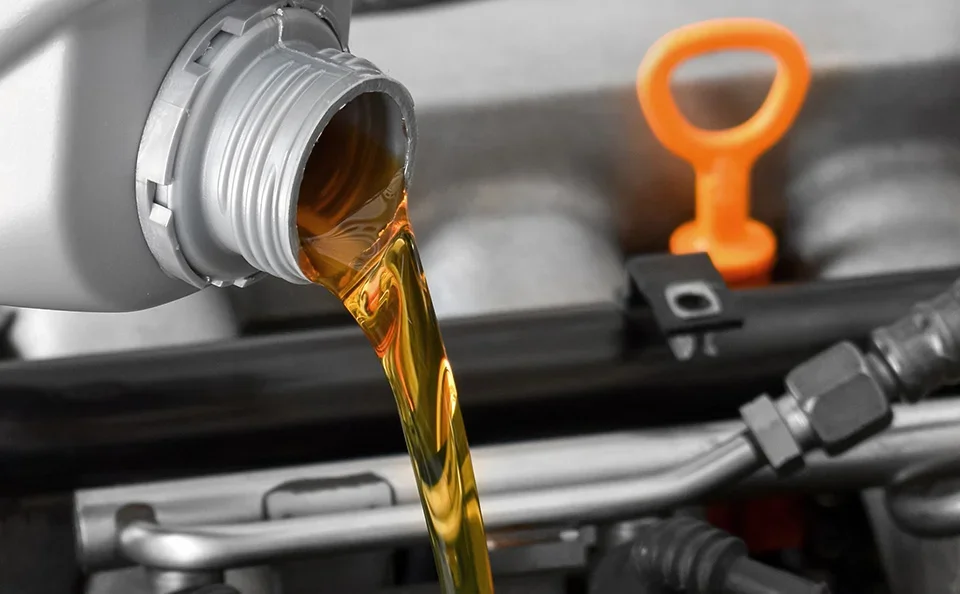
Oil collects dirt, debris, and metal particles as it circulates, and the filter is what traps those contaminants. Replacing the filter alongside the oil is a core part of the service. Skipping the filter while changing the oil defeats much of the purpose.
Multi-Point Inspection and Fluid Checks
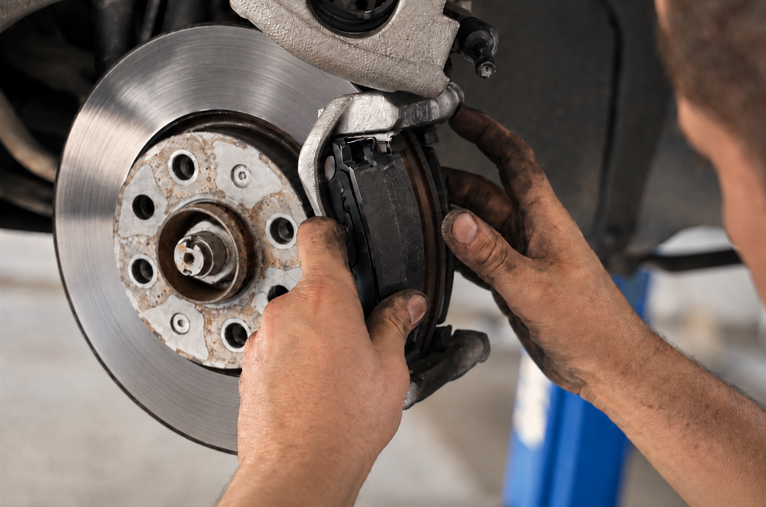
A thorough multi-point inspection checks engine oil, transmission fluid, brake fluid, power steering fluid, coolant, and washer fluid, along with the oil and air filters. Technicians also examine brake pad thickness, rotate tires, reset TPMS sensors, and inspect belts for cracking, fraying, or glazing. Hoses get checked for leaks, swelling, or brittleness, and the battery is tested for charge along with a check for terminal corrosion, which matters even more here given how salt air affects battery terminals and brackets along the coast. Fluid top-offs are typically included at no extra charge.
This is also where the difference between service options becomes clear. National quick-lube chains and parts-store service counters get you in and out fast, but their model is built around speed rather than a deep inspection of what's actually going on under the hood. A dealership service model, staffed by factory-trained technicians using OEM-spec parts, is better equipped to catch issues in complex vehicle systems and service them correctly the first time. If you're ready to have all of this handled, schedule service online and we'll take care of the rest.
Why Choose Lum's Auto Center for Oil Change Service in Warrenton, OR
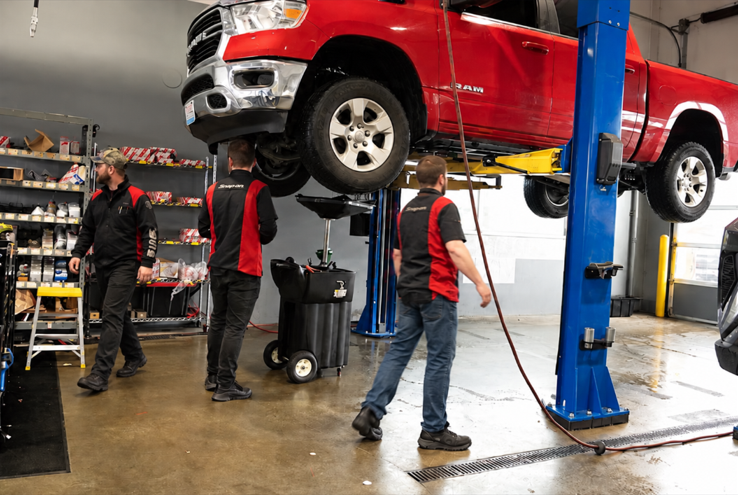
At Lum's Auto Center, we've built our reputation on doing things right. Our technicians are factory-trained and use Toyota Genuine Parts along with OEM-spec fluids across the other makes we service, including Chrysler, Dodge, Jeep, and Ram, so your warranty coverage stays intact and repairs fit correctly the first time.
Every visit includes our multi-point inspection at no extra charge, so you leave knowing the condition of your brakes, belts, hoses, and battery too. We also make it convenient: free pickup and return within 20 miles, a no-touch key drop with phone payment for those who want a contact-free appointment, or a sanitized waiting room if you'd rather stay on-site. Drivers coming in from Seaside, Ocean Park, and Tillamook find us just as easy to reach as folks already in Warrenton.
Frequently Asked Questions About Oil Change Service
How do I know what oil type my vehicle needs?
Your owner's manual has this information. Using the wrong viscosity or specification increases engine wear, so it's worth following the manufacturer's requirement rather than guessing based on what a previous vehicle used.
How much does an oil change cost?
Cost depends on oil type (conventional, blend, or full synthetic), vehicle size, and any additional services performed during the visit. Rather than guessing at a price, check our current service and parts specials or give us a call for a quote specific to your vehicle.
Can synthetic oil extend my service interval?
Yes, within the limits set by your manufacturer. Synthetic oil is more stable, resists breaking down at high temperatures, flows better in cold weather, and includes additives that offer extra protection. That said, severe driving conditions still shorten the effective interval, so it's worth confirming your specific interval through your owner's manual or your vehicle's oil life monitor.
Schedule Your Oil Change Service Today
Whatever you drive, staying ahead of your oil changes here on the Oregon Coast doesn't have to be complicated. Our team is ready to get you in, inspected, and back on the road, whether that's a quick synthetic oil change or a full Toyota Express Maintenance visit.
Book your oil change and check out our current service and parts specials before your next visit to make sure you're getting the most value for your maintenance dollar.