
Noise, softness, pulling to one side. If your brakes are doing any of that, pay attention. Drivers around Astoria and Warrenton deal with faster brake wear than most people in drier, flatter parts of the country, and putting off a fix here can turn something minor into a real safety problem. We've kept Oregon Coast drivers safely on the road since 1969, and we want you to know exactly what to watch for and when to call. If you're noticing any of the signs below, schedule a brake inspection with us before your next trip up Highway 101.
Why Astoria and Warrenton Drivers Face Extra Brake Wear
Brakes here work harder than they do almost anywhere else in the state. Astoria's terrain climbs fast from the bay, with Coxcomb Hill sitting nearly 600 feet above the water, and every steep descent means your brakes absorb more heat than they would on flat ground. Add near-constant moisture, tourist season traffic crawling through town, and salt spray off the water, and pads, rotors, and fluid all wear out faster than they should. Drivers searching for brake service near Astoria OR are usually dealing with these exact conditions, and catching the warning signs early keeps a small fix from becoming a big one.
7 Warning Signs Your Brakes Need Professional Attention
Brakes usually give you a heads-up before they fail outright. Learn to catch these signals and you can get ahead of a problem instead of reacting to it on the road.
Grinding or Metal-on-Metal Noise
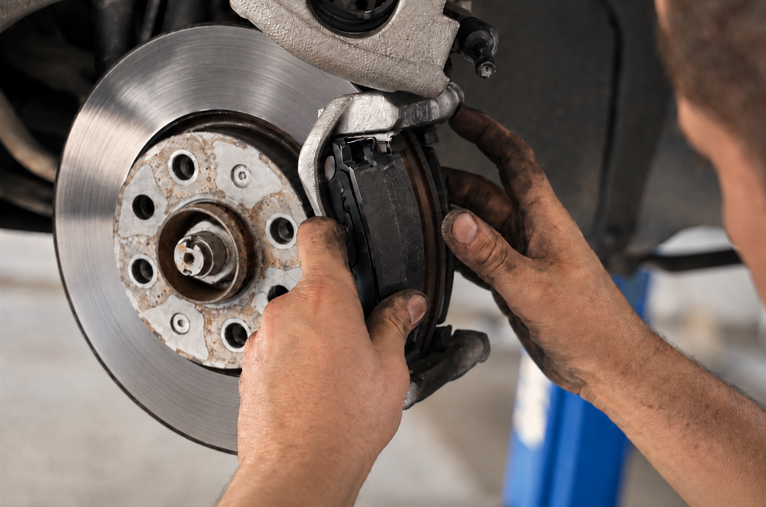
A grinding or scraping sound usually means the pads have worn all the way down, and metal is now grinding directly against the rotor. Get this looked at right away. Driving on metal-to-metal contact chews through rotors fast and cuts down your stopping ability with every mile you drive.
Squealing or High-Pitched Squeaking
That squeal often comes from the built-in wear indicator tab, a small piece designed to warn you before your pads get dangerously thin. Sometimes it's just glazing or moisture on the rotors, but either way, it's worth having a technician take a look.
Soft, Spongy, or Sinking Brake Pedal
If the pedal feels soft, sinks toward the floor, or needs more pressure than usual, you might have air in the lines, a fluid leak, or worn pads. Brake fluid also absorbs moisture over time, which contributes to that spongy feeling and can hurt stopping performance.
Vibration or Pulsing When Braking
A pulsing sensation through the pedal or steering wheel typically points to warped rotors. A professional inspection is the only reliable way to tell whether resurfacing will fix it or the rotors need full replacement.
Vehicle Pulling to One Side
If your car drifts left or right when you brake, uneven pad wear or a dragging caliper is likely the cause. This affects control, especially in wet conditions common around Clatsop County.
Longer Stopping Distances
Needing more room to stop than you used to means components are wearing down. On wet roads, stopping distances increase substantially, so worn brakes make an already risky situation worse.
Dashboard Brake Warning Light
That light on your dash doesn't turn on for no reason. Pair it with a different pedal feel or a pull to one side, and it's time to get things checked out.
Risks of Ignoring Brake Warning Signs
Brake problems left unattended tend to compound. A dragging caliper wears down a rotor. A rotor left too long chews through a fresh set of pads. Reduced stopping power and brake fade on long descents are common outcomes of ignoring early warning signs, and what starts as a simple pad replacement can turn into a rotor replacement or caliper repair if left unaddressed. On the Oregon Coast's hills and wet roads, that delay carries real safety risk, not just a bigger repair bill down the line.
How Coastal Weather and Local Driving Conditions Affect Brake Life
Those warning signs trace back to conditions unique to living on the Oregon Coast. Astoria sees an average of 81 inches of rain a year, with November alone bringing around 14 inches over 24 rainy days, and humidity that sits between 81% and 84% year-round. That moisture speeds up corrosion on rotors, calipers, and hardware, and it affects brake fluid too. Brake fluid is hygroscopic, meaning it absorbs moisture over time. That lowers its boiling point and can lead to internal corrosion, which explains that spongy pedal feel and longer stopping distances we mentioned earlier.
Then there's the terrain. Hilly, downhill driving, like what you get near Coxcomb Hill, puts more heat into your braking system than flat-road driving does, and pads and rotors pay the price faster. Stop-and-go traffic, especially during tourist season when Highway 101 fills up, doesn't give brakes time to cool between stops, and that heat cycling adds up over time. Put all of this together and it's clear why brake repair Oregon Coast drivers need looks a little different than brake maintenance in drier inland regions.
NHTSA data shows that roughly 12% of crashes are weather-related, and rain or wet pavement accounts for over 77% of those weather-related crashes, representing 74% of weather-related fatalities, largely because wet roads reduce tire traction and increase stopping distance. In a place as wet as Astoria, that statistic hits close to home.
Simple Habits That Extend Brake Life
A few small changes in how you drive can meaningfully slow down brake wear, especially given our local terrain and weather.
Coast to stops when you can instead of braking hard at the last second, which reduces heat buildup and pad wear.
Avoid riding the brake on long downhill grades near Coxcomb Hill; downshift or ease off the accelerator earlier instead.
Rinse salt spray and road grime off your wheels after coastal drives to slow corrosion on calipers and rotors.
How Often You Should Get a Brake Inspection
Most brake inspections are recommended once a year or every 12,000 miles, whichever comes first. That guideline assumes average driving conditions, not the hills and moisture we deal with in Clatsop County. If you're doing frequent stop-and-go driving or regular hill descents, aim closer to every 6 months or 6,000 miles, sometimes stretching to 6-8 months depending on how you drive.
If you notice any unusual sounds, vibrations, or warning lights before your next scheduled check, don't wait. Get it looked at right away.
Brake Service Types Compared
Not every brake issue calls for the same fix. Here's a quick breakdown of common services and when they typically come into play.
| Service | Symptom Addressed | Typical Trigger | Urgency Level | Approximate Service Time |
|---|---|---|---|---|
| Pad Replacement | Squealing, grinding | Pads worn to minimum thickness or wear indicator activated | High if grinding, moderate if squealing | Under an hour |
| Rotor Resurfacing | Vibration or pulsing | Warped or unevenly worn rotor surface | Moderate | About an hour |
| Caliper Repair | Pulling to one side | Dragging or sticking caliper | Moderate to high | One to two hours |
| Brake Fluid Flush | Spongy pedal, longer stopping distance | Moisture-contaminated or aged fluid | Moderate | Under an hour |
What to Expect During a Professional Brake Inspection at Lum's Auto Center
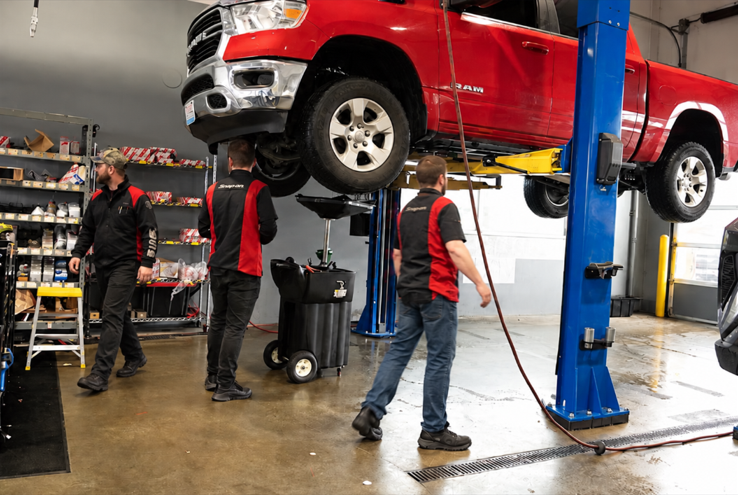
When you bring your vehicle to our Warrenton service department, our factory-trained technicians check pad thickness, measure the rotors, inspect calipers for dragging or leaks, and test the condition of your brake fluid. We service Toyota, Chrysler, Dodge, Jeep, Ram, and many other makes, using genuine parts throughout. If you drive a Toyota, our Toyota brake service is part of the Toyota Express Maintenance program, a multi-point inspection that specifically verifies your pad thickness is at a safe level.
We also offer a complimentary brake inspection, where our technicians look over your pads, rotors, and overall braking system at no cost. If we find something that needs attention, we'll walk you through your options before any additional work begins. This offer can't be combined with other promotions, so ask us for current details when you call.
Once you know where your brakes stand, you're in a much better position to plan ahead rather than react to a problem on the road. If something doesn't feel right, don't put it off.
Schedule Your Brake Service Near Astoria or Warrenton Today
Why Choose Lum's Auto Center
Between the hills, the rain, and the traffic patterns around here, brake wear isn't something you want to guess about. Whether you're hearing a squeal, feeling a pull, or just haven't had your brakes checked in a while, our team at Lum's Auto Center is ready to help. As a family-owned dealership serving Oregon and Washington since 1969, we've built our reputation on straightforward, reliable service for drivers throughout Astoria, Warrenton, and Clatsop County.
Get in Touch
Stop by our Warrenton service department at 1605 SE Ensign Ln, Warrenton, OR 97146, or call us at 503-861-1144 to talk with our team. Ask about our current service offers when you call, including our complimentary brake inspection.
Ready to get your brakes checked? Book your service appointment online today, and let our factory-trained technicians make sure you're stopping safely on every trip along the Oregon Coast.