

Knowing your trade-in value before you shop can make the entire car-buying process easier. It gives you a clearer idea of your budget, helps you compare monthly payment options, and lets you decide whether selling, trading, or waiting makes the most sense.
At Lum’s Auto Center in Warrenton, OR, you can start the trade-in process online before visiting the dealership. Whether you are planning to buy a new vehicle, shop pre-owned inventory, or simply understand what your current vehicle may be worth, our team can help you review your options.
Why Trade-In Value Matters Before You Start Shopping
Your current vehicle may be one of the most important parts of your next purchase. If it has equity, that value may be applied toward your next car, truck, SUV, or van. That can potentially reduce the amount you finance, lower your estimated monthly payment, or help you move into a vehicle that better fits your needs.
Even if you are not ready to buy immediately, getting a trade-in estimate gives you useful information. It helps you understand where you stand in the current market and whether now is a good time to sell or trade.
How to Start Your Trade-In Estimate Online
The easiest place to begin is the Lum’s Auto Center sell or trade your vehicle page. You can enter basic information about your current vehicle and begin the appraisal process before visiting the dealership.
Online tools are a helpful starting point, but the final value may depend on an in-person review. Vehicle condition, mileage, history, market demand, and reconditioning needs can all affect the final offer.
Information You Should Have Ready
Before requesting a trade-in value, gather the details that help create a more accurate estimate. The more complete your information is, the easier it is for the appraisal team to evaluate your vehicle.
| Information Needed | Why It Matters |
|---|---|
| Year, Make, Model, and Trim | Helps identify the exact vehicle and equipment level |
| Mileage | Affects value, marketability, and expected reconditioning needs |
| Vehicle Condition | Interior, exterior, tire, brake, and mechanical condition all matter |
| Vehicle History | Accidents, title status, and ownership history may affect appraisal value |
| Service Records | Maintenance records can help support the condition of the vehicle |
| Loan Payoff Details | Needed if you still owe money on the vehicle |
What Affects Your Vehicle’s Trade-In Value?
Trade-in value is based on a combination of vehicle-specific details and current market conditions. Two similar vehicles can receive different offers if one has lower mileage, better records, stronger equipment, or lower reconditioning needs.
Mileage and Mechanical Condition
Mileage is one of the first things buyers and appraisers review, but it does not tell the whole story. A vehicle with consistent service history, strong mechanical condition, and fewer repair needs may hold value better than one that has been neglected. Tires, brakes, warning lights, fluid leaks, and drivability can all influence the appraisal.
Interior and Exterior Condition
Cosmetic condition also matters. Dents, scratches, worn seats, odors, cracked glass, damaged wheels, and missing trim can affect the amount of reconditioning needed before resale. You do not need to make the vehicle perfect before an appraisal, but cleaning it and removing personal items can help the team review it accurately.
Vehicle History and Title Status
Accident history, title branding, number of owners, and previous use may all affect value. A clean title and well-documented history can support a stronger appraisal. If your vehicle has been in an accident or had major repairs, it is better to be upfront so the appraisal can reflect accurate information.
Local Demand in the Pacific Northwest
Market demand can shift based on season, fuel prices, inventory supply, and buyer needs. In the Pacific Northwest, trucks, SUVs, hybrids, and all-weather vehicles often attract strong interest because many drivers need capability for wet roads, coastal driving, rural routes, and outdoor recreation.
How Trade-In Value Can Affect Your Next Vehicle Purchase
If you decide to trade your vehicle toward another purchase, the appraised value may become part of your deal structure. That value can help reduce the amount financed or change your estimated monthly payment.
Before visiting, you can browse new vehicle inventory or used vehicle inventory to see what might fit your budget. You can also use the payment calculator to compare different purchase scenarios.
What If You Still Owe Money on Your Vehicle?
You can still start the trade-in process if your current vehicle has an active loan. The key number is the loan payoff amount. If your vehicle is worth more than the payoff, the difference may create positive equity. If the payoff is higher than the appraised value, you may have negative equity.
Neither situation automatically stops you from moving forward, but it does affect your options. Our finance team can help you understand how your payoff, trade-in value, and next vehicle choice work together. You can also begin reviewing financing through our finance center or vehicle financing page.
Should You Make Repairs Before Trading In?
Minor cleanup is usually helpful. Wash the vehicle, remove personal items, vacuum the interior, and gather service records. However, major repairs are not always worth completing before an appraisal. The cost of fixing a problem may be higher than the value it adds to your offer.
If you are unsure, bring the vehicle in as-is and let our team review it. We can explain how the condition affects value and whether any issue is likely to make a major difference.
Trade-In Estimate vs Final Appraisal
An online estimate is a useful starting point, but it is not always the final number. A final appraisal usually requires an in-person inspection so the dealership can confirm the vehicle’s condition, features, mileage, history, and current market fit.
| Estimate Type | What It Means | Best Use |
|---|---|---|
| Online Estimate | A preliminary value based on the information entered | Early budgeting and shopping preparation |
| In-Person Appraisal | A more complete review based on physical condition and market factors | Final trade-in or selling decision |
Questions to Ask During Your Trade-In Appraisal
- What factors had the biggest impact on my vehicle’s value?
- Does my vehicle have positive or negative equity?
- Can I sell my vehicle without buying another one?
- How long is the offer valid?
- Would my trade-in value change if I chose a different vehicle?
- What documents do I need to complete the transaction?
Frequently Asked Questions About Valuing Your Trade
Can I value my trade online before visiting Lum’s?
Yes. You can start through the sell or trade your vehicle page. An in-person appraisal may still be needed to confirm the final value.
Do I have to buy another vehicle to get an appraisal?
No. Lum’s Auto Center can review your vehicle even if you are not ready to buy another car from us.
Does mileage matter more than condition?
Mileage is important, but condition, service history, title status, equipment, and current market demand also affect value. A well-maintained vehicle may still be attractive even with higher mileage.
Should I clean my vehicle before trading it in?
Yes, basic cleaning is a good idea. Remove personal belongings, wash the exterior, vacuum the interior, and bring service records if you have them. This helps the appraisal team evaluate the vehicle clearly.
Value Your Trade at Lum’s Auto Center
Getting your trade-in value before you shop can help you plan with more confidence. Start online through the Lum’s Auto Center trade-in page, then visit us at 1605 SE Ensign Lane in Warrenton, OR, to review your vehicle and discuss your next steps.
Image by Coinstash Australia is licensed with Unsplash License.
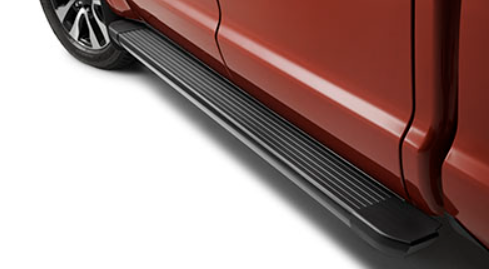
Running boards can make a truck or SUV easier to enter, easier to use, and more practical for everyday driving. For families, shorter passengers, work crews, and drivers who regularly load gear onto a roof rack or into the cabin, the right set of running boards can make a noticeable difference.
At Lum’s Auto Center in Warrenton, OR, our team can help you shop for running boards, side steps, and other accessories that fit your Toyota, Chrysler, Dodge, Jeep, or Ram vehicle.
What Are Running Boards?
Running boards are step-style accessories mounted along the lower sides of a truck or SUV, usually below the doors. They provide a wider stepping surface that helps passengers climb in and out of taller vehicles. Depending on the design, they can also help reduce splash, road debris, and minor grime from reaching the lower doors and rocker panels.
Running boards are especially common on pickups, large SUVs, off-road vehicles, and family vehicles with higher ground clearance. They are available in different widths, finishes, materials, and styles, so choosing the right set depends on both the vehicle and how you use it.
Running Boards vs Side Steps vs Nerf Bars
Running boards, side steps, and nerf bars are sometimes used interchangeably, but they are not exactly the same. The best option depends on the look you prefer, the stepping surface you need, and the type of vehicle you drive.
| Accessory Type | Typical Design | Best For |
|---|---|---|
| Running Boards | Flat, wide step surface mounted below the doors | Families, daily drivers, passengers who want a stable step |
| Side Steps | Smaller individual steps or step pads near each door | Drivers who want access help without a full-length board |
| Nerf Bars | Tubular bars with step pads | Truck and SUV owners who want a sportier or off-road-inspired look |
| Power Running Boards | Motorized boards that extend when doors open and retract when closed | Drivers who want a cleaner look and added convenience |
Why Add Running Boards to Your Truck or SUV?
Running boards are not just a cosmetic upgrade. For many drivers, they solve a real access problem, especially on taller vehicles such as Toyota Tacoma, Toyota 4Runner, Toyota Tundra, Jeep Wrangler, Jeep Grand Cherokee, Ram 1500, and larger SUVs or trucks.
Easier Entry and Exit
The most obvious benefit is easier cabin access. A lower stepping point can help passengers climb in and out more comfortably, especially children, older adults, and anyone who finds taller ride heights inconvenient. This can be especially helpful if your truck or SUV has larger tires, a lift kit, or off-road-oriented suspension.
More Practical Daily Use
Running boards can also help when loading items into the cabin, reaching a roof rack, cleaning the roof, or securing cargo. For outdoor gear, surfboards, kayaks, cargo boxes, and work equipment, having a stable side step can make the vehicle more functional.
Added Exterior Style
Some running boards are designed to blend in with the vehicle, while others create a more rugged or custom look. Black, chrome, textured, aluminum, and molded styles can all change the appearance of the vehicle. The right choice should match both the vehicle design and your intended use.
How to Choose the Right Running Boards
Fit is the most important part of shopping for running boards. A set designed for one truck cab, model year, or trim may not fit another version of the same vehicle. Before ordering, confirm the vehicle’s year, make, model, body style, cab configuration, and trim details.
Confirm Vehicle Fitment First
Truck owners should pay close attention to cab size. Crew Cab, Double Cab, Quad Cab, Access Cab, and Regular Cab models may require different running board lengths and mounting hardware. SUV owners should also confirm whether the accessory is built for their exact model year and trim.
Consider Step Width and Surface Grip
A wider stepping surface can feel more stable, while a narrower bar may look cleaner or sportier. For Oregon Coast drivers, grip is especially important because rain, mud, sand, and wet shoes can make slick surfaces less comfortable. Textured pads, molded grooves, and non-slip finishes can improve confidence when stepping in and out.
Think About Material and Finish
Running boards may be made from aluminum, stainless steel, steel, composite materials, or molded plastic. Aluminum can resist corrosion well and keep weight lower. Steel may feel strong and durable but should have a quality finish to help withstand moisture. Black powder-coated finishes are popular for trucks and SUVs, while chrome or polished finishes may suit shoppers who want a brighter exterior accent.
OEM Accessories vs Aftermarket Running Boards
One of the biggest decisions is whether to choose OEM accessories or aftermarket running boards. OEM accessories are designed by or for the manufacturer to fit specific vehicles. Aftermarket options may offer more style variety or price points, but fit, finish, warranty coverage, and installation quality can vary by brand.
| Option | Advantages | What to Check |
|---|---|---|
| OEM Running Boards | Designed for vehicle-specific fit, appearance, and compatibility | Availability by model, trim, and accessory catalog |
| Aftermarket Running Boards | More styles, finishes, and price ranges may be available | Fitment accuracy, mounting hardware, warranty, and installation quality |
If you drive a Toyota, you can explore available options through our Toyota accessories page. If you drive a Chrysler, Dodge, Jeep, or Ram vehicle, our Mopar accessories page is a useful place to start. You can also order parts online through Lum’s Auto Center.
Should You Install Running Boards Yourself?
Some running boards are designed for bolt-on installation using existing mounting points. Others may require more involved work, especially if electrical components, sensors, lighting, or power-deploying boards are involved. Even when the installation looks simple, correct alignment and secure mounting matter.
Professional installation can help prevent loose hardware, uneven placement, rattles, clearance problems, and damage to the vehicle. It can also be the better choice if you are installing OEM accessories and want the work handled by technicians familiar with your vehicle brand.
Running Boards for Popular Trucks and SUVs
Many truck and SUV owners shop for running boards because their vehicles are built with higher ride heights. At Lum’s Auto Center, shoppers often ask about accessories for Toyota, Jeep, Ram, Dodge, and Chrysler vehicles.
Toyota Trucks and SUVs
Toyota Tacoma, Toyota Tundra, Toyota 4Runner, Toyota Highlander, and Toyota Sequoia owners may consider running boards for easier access and added utility. Fitment can vary by model year, cab size, and trim, so checking the exact accessory catalog is important.
Jeep and Ram Vehicles
Jeep Wrangler, Jeep Gladiator, Jeep Grand Cherokee, Ram 1500, and Ram heavy-duty truck owners often look for steps that support daily access, off-road style, or worksite practicality. Mopar accessories are designed with brand-specific fitment in mind, which can be especially useful for shoppers who want a clean, factory-style result.
Questions to Ask Before Buying Running Boards
- Will these running boards fit my exact year, make, model, trim, and body style?
- Do they require drilling, wiring, or special mounting hardware?
- What is the weight rating for each step?
- Is the finish designed to resist corrosion and road grime?
- Will they affect ground clearance or off-road use?
- Are they covered by an accessory or parts warranty?
- Can the dealership install them for me?
Frequently Asked Questions About Running Boards
Are running boards worth it?
Running boards are worth considering if your truck or SUV is difficult to enter, if you regularly carry passengers, or if you need easier access to roof-mounted cargo. They can also improve exterior appearance when matched correctly to the vehicle.
Do running boards fit every truck or SUV?
No. Running boards are vehicle-specific. Fitment depends on the year, make, model, trim, cab size, body style, and mounting points. Always confirm compatibility before ordering.
Can running boards affect ground clearance?
Yes, some running boards may reduce side clearance depending on their design and mounting position. This matters most for off-road drivers or vehicles that regularly travel over uneven terrain.
Can Lum’s Auto Center help me order running boards?
Yes. Lum’s Auto Center can help Toyota, Chrysler, Dodge, Jeep, and Ram drivers explore accessory options, confirm fitment, and order the right parts for their vehicle.
Shop Running Boards and Vehicle Accessories at Lum’s Auto Center
Whether you want easier access, added utility, or a more finished exterior look, the right running boards can make your truck or SUV more practical. Start by reviewing Toyota accessories, Mopar accessories, or our parts order page. You can also contact Lum’s Auto Center in Warrenton, OR, for help choosing running boards that fit your vehicle.

Selling or trading your vehicle should not feel complicated, and it should not require you to commit to buying another car on the spot. At Lum’s Auto Center in Warrenton, OR, you can get an offer for your current vehicle whether you are ready to shop, still comparing options, or simply want to sell your car and move on.
If you have been wondering what your car, truck, SUV, or van may be worth, our team makes it easy to start the process online and continue at the dealership when you are ready.
Can You Trade In or Sell Your Vehicle Without Buying From Lum’s?
Yes. Lum’s Auto Center allows drivers to sell or trade in their vehicle without requiring a purchase from our dealership. That means you can bring us your current vehicle, receive an appraisal, and review your offer even if you are not planning to buy another vehicle from us that day.
This can be useful if you have an extra vehicle at home, are downsizing, need cash for another priority, or want to avoid the hassle of selling privately. Instead of managing online listings, messages, test drives, and payment concerns on your own, you can work with a local dealership team that handles appraisals and paperwork every day.
Why Sell or Trade Your Vehicle to Lum’s Auto Center?
There are plenty of ways to sell a used vehicle, but not all of them offer the same level of convenience or confidence. Private-party selling may get attention online, but it can also involve no-shows, low offers, safety concerns, and time-consuming negotiations. Trading or selling to a dealership can simplify the process significantly.
A Local Dealership With Long-Term Community Trust
Lum’s Auto Center has served Pacific Northwest drivers since 1969. That history matters when you are deciding where to take your vehicle for an appraisal. We are not a short-term buyer or anonymous online marketplace. We are a family-owned dealership group with deep roots in Warrenton, Astoria, Seaside, and the surrounding Oregon Coast communities.
A Straightforward Appraisal Process
When you bring your vehicle to Lum’s, our team reviews key details such as year, make, model, trim, mileage, condition, vehicle history, current market demand, and reconditioning needs. The goal is to give you a clear offer based on what your vehicle is worth in the current market.
No Pressure to Buy Another Vehicle
If you want to sell your vehicle and leave without purchasing another one, that is completely fine. If you do decide to shop, your trade-in value may be applied toward a new or used vehicle from our inventory. The choice depends on what makes the most sense for your situation.
How the Trade-In Process Works at Lum’s
The trade-in or vehicle-selling process is designed to be simple. You can start online, gather the right documents, then visit Lum’s Auto Center for an in-person appraisal and final review.
| Step | What Happens | Why It Matters |
|---|---|---|
| Start Online | Submit basic vehicle details through the trade-in tool | Gives you a convenient starting point before visiting |
| Bring Your Vehicle In | Our team reviews condition, mileage, history, and market demand | Helps confirm an accurate appraisal |
| Review Your Offer | You receive an offer based on the appraisal | Lets you decide whether to sell, trade, or wait |
| Complete the Paperwork | We help with title, lien, and transaction documents | Reduces the stress of handling the sale on your own |
You can begin by visiting our sell or trade your vehicle page and entering your vehicle information.
What Affects Your Vehicle’s Trade-In Value?
Trade-in value is not based on one factor alone. Two vehicles from the same model year can receive different offers depending on condition, mileage, maintenance history, equipment, title status, accident history, and current buyer demand.
Vehicle Condition and Mileage
Condition has a direct impact on value. A vehicle with clean interior surfaces, good tires, working features, and fewer cosmetic issues will usually appraise better than one needing immediate repairs or reconditioning. Mileage matters too, but it is not the only factor. A higher-mileage vehicle with strong maintenance records may still be appealing, especially if it fits local demand.
Service History and Vehicle Records
Maintenance records can help support your vehicle’s value. Oil changes, brake work, tire replacement, major repairs, and recall documentation all help show how the vehicle was cared for. If you have service receipts or records, bring them with you when you visit.
Local Market Demand
Demand changes based on season, inventory levels, fuel prices, and shopper preferences. Trucks, SUVs, hybrids, and all-weather vehicles often draw strong interest across the Oregon Coast and Pacific Northwest because many drivers need practical capability for wet roads, rural routes, work, and recreation.
Should You Sell Your Vehicle or Trade It Toward Another One?
The right choice depends on your goal. Selling your vehicle outright may make sense if you no longer need it or want to free up cash. Trading it in may make more sense if you are planning to replace it with a new or used vehicle from Lum’s Auto Center.
If you apply your trade-in value toward another vehicle, it may help lower the amount you need to finance. You can compare options by browsing our new vehicle inventory or used vehicle inventory. You can also estimate potential monthly payments with our payment calculator.
Can You Trade In a Vehicle With a Loan?
Yes, many drivers trade in vehicles that still have an active loan. In that situation, the payoff amount becomes part of the transaction. If your vehicle is worth more than the loan payoff, the remaining equity may be applied toward your next purchase or handled as part of the sale. If the payoff is higher than the vehicle’s value, our finance team can explain your options clearly before you make a decision.
Because every loan and vehicle value is different, it helps to bring your lender information, payoff details, registration, and title-related documents when you visit. You can also start reviewing financing options through our finance center or vehicle financing page.
What Should You Bring When Selling or Trading Your Vehicle?
Having the right information ready can make the process smoother. Before visiting Lum’s Auto Center, gather the documents and items that help verify ownership, condition, and loan status.
- Valid driver’s license
- Vehicle title, if available
- Current registration
- Loan payoff information, if the vehicle is financed
- All keys, key fobs, and remotes
- Owner’s manual, if available
- Service and maintenance records
- Any accessories or original equipment that came with the vehicle
If you are missing something, contact our team before your visit. We can let you know what is required for your specific situation.
Frequently Asked Questions About Trading In a Vehicle at Lum’s
Do I have to buy a vehicle from Lum’s to sell my car?
No. You can sell or trade your vehicle at Lum’s Auto Center without being required to purchase another vehicle from us.
Can I get a trade-in estimate online?
Yes. You can start online through our sell or trade tool. An in-person appraisal may still be needed to confirm final value based on condition, mileage, history, and market factors.
Can I trade in a car that is not paid off?
Yes. Vehicles with active loans can often be traded in or sold. The payoff amount must be reviewed as part of the transaction, and our team can help explain how positive or negative equity may affect your options.
Does cleaning my vehicle help before an appraisal?
A clean vehicle can make the appraisal process easier because condition is easier to evaluate. You do not need a full professional detail, but removing personal items, washing the exterior, and gathering service records can help present the vehicle accurately.
Start Your Trade-In at Lum’s Auto Center
If you are ready to sell your vehicle, trade it toward your next car, or simply find out what it may be worth, Lum’s Auto Center is ready to help. Start with our online trade-in tool, then visit us at 1605 SE Ensign Lane in Warrenton, OR, to review your options with our team.
Shopping for a car on the Oregon Coast comes with its own set of considerations. The salt air, wet winters, and mix of coastal highways and rural back roads all factor into what kind of vehicle actually works for everyday life here. For drivers in Warrenton and the surrounding communities, finding a dealership that genuinely understands local conditions matters more than most people realize before they start shopping.
Lum’s Auto Center has been that dealership since 1969, and we’d love to help you find your next vehicle.
Car Shopping on the Oregon Coast: What to Know Before You Visit a Dealership
Before you start test-driving or comparing window stickers, it helps to think about how the Oregon Coast climate affects the vehicles you’re considering. Salt air and persistent moisture can accelerate wear on certain materials, which means rust resistance and proper maintenance schedules matter more here than in a desert climate. Our customers also tend to prioritize all-weather performance, solid traction control, and fuel efficiency across both city driving in Astoria and longer highway stretches heading inland.
Shopping with a team that has real local knowledge is genuinely valuable. We can point you toward trims, packages, and models that fit how you actually use a vehicle, not just what looks impressive on paper.
Why Warrenton, OR Is a Smart Place to Buy Your Next Car
Warrenton sits at a geographic sweet spot along the coast, close enough to Astoria to offer urban convenience while maintaining the community feel that makes shopping here refreshingly low-pressure.
That community feel isn’t just atmosphere. It shapes how we actually operate. Pricing conversations tend to be more honest. Service scheduling is straightforward. When you walk in, you’re treated like someone who might be back for decades, because plenty of our customers are. Having inventory, financing, and service accessible without a long drive makes Warrenton a practical starting point for your vehicle search, and we’ve built everything around making that experience as easy as possible.
Lum’s Auto Center: A Local Dealership Built Around Oregon Coast Drivers
We weren’t dropped into the area by a corporate group looking to expand market share. Lum’s Toyota and Lum’s CDJR in Warrenton, and Lum’s GMC in McMinnville, were built specifically to serve Oregon Coast and Pacific Northwest drivers, and that focus shows in our inventory depth and service center capabilities.
Serving Warrenton, Astoria, Seaside, and Beyond
We draw customers from across the North Coast, including Astoria, Seaside, Gearhart, Long Beach, Tillamook, and reaching into the greater Portland area and Southwest Washington. For many drivers, we’re simply the most practical and trustworthy option in the region. Rather than making the longer drive to Portland, buyers can access a wide inventory, professional financing help, and full service support right here in Clatsop County.
A Family-Owned History You Can Trust
We’ve been family-owned since 1969, which puts us in rare company among dealership groups of our size. Our story spans more than five decades of serving Oregon and Southwest Washington, and that growth hasn’t come at the cost of the personal, community-oriented approach that defined us from the start.
A family-owned dealership builds its reputation over generations, not quarterly sales cycles. The people you work with are invested in long-term relationships. Customers who bought their first car from us decades ago are still bringing their vehicles in for service. That’s a pattern you only see when the experience is consistently worth coming back for.
New and Used Vehicles for Every Budget and Lifestyle
One of the clearest advantages of shopping with us in Warrenton is the breadth of inventory available. Whether you’re after a brand-new model or a practical used vehicle, our selection is genuinely competitive for a dealership in a coastal community.
| Vehicle Type | Condition | Brand Examples | Ideal For |
|---|---|---|---|
| Sedan | New and Used | Toyota (Camry) | Daily commuters, fuel efficiency |
| Truck | New and Used | Toyota (Tacoma), Ram, GMC | Hauling, towing, outdoor work |
| SUV | New and Used | Toyota (4Runner, Highlander), Jeep | Families, off-road, all-weather |
| Certified Pre-Owned | Used | Toyota, Chrysler, Dodge, Jeep, Ram | Value buyers, inspected reliability |
New Cars, Trucks, and SUVs From Multiple Brands
Lum’s Toyota carries the full lineup of new Toyota models, including the Tacoma, 4Runner, Camry, and Highlander, with nearly 200 new, used, and certified pre-owned vehicles available. Lum’s CDJR adds Chrysler, Dodge, Jeep, and Ram vehicles, covering work trucks, off-road SUVs, and family-friendly options. Lum’s GMC in McMinnville rounds out our new vehicle offerings for buyers looking for capable trucks and full-size SUVs.
Having multiple brands available under one operation simplifies your comparison process. Instead of driving between competing lots, you can explore different makes and models with staff who know them well.
Quality Used Vehicles for Value-Focused Shoppers
For buyers working with a tighter budget, our used car inventory offers real value without sacrificing reliability. We carry a wide range of used and certified pre-owned cars, trucks, and SUVs, each inspected before reaching the lot, so you’re not rolling the dice on hidden mechanical problems.
Capable pickups and fuel-efficient SUVs appear regularly in our pre-owned selection. Browse our used inventory to see what’s currently available.
Financing Help for Every Kind of Buyer
The financing process is where a lot of car-buying stress originates, but we work hard to make it straightforward. Our finance centers operate with the same transparent, people-first approach that defines the rest of your experience with us.
Applying Online Before You Visit
We let you get pre-approved online before you set foot in the dealership. This is a practical advantage for buyers who want to understand their options ahead of time. Getting pre-approved means you can walk in knowing your budget range and spend your energy finding the right vehicle rather than waiting on a credit decision.
Solutions for All Credit Situations
Not everyone arrives at a dealership with a perfect credit profile, and we don’t treat that as a dealbreaker. Our finance team works with multiple lenders to build solutions for buyers at different points in their financial lives, first-time buyers, people rebuilding credit, and everyone in between. The goal is finding terms that make ownership realistic for your situation. We can’t guarantee approval, but we’ll work hard to find a path forward.
Keep Your Vehicle Running With Lum’s Service Center
Buying a car is just the beginning of the ownership relationship, and we take the service side of that seriously. Our service center is staffed by certified technicians who handle everything from oil changes and brake work to engine diagnostics and more involved repairs, using OEM-backed parts throughout.
Coastal driving adds wear to vehicles in ways that don’t always show up until something goes wrong. Regular maintenance helps catch small issues before they become expensive problems, especially for components exposed to salt air and wet roads. Our service capabilities span Toyota, CDJR, and GMC vehicles, so regardless of what you’re driving, there’s likely a qualified technician on staff. Schedule your service appointment online at your convenience.
How to Browse Inventory and Connect With the Lum’s Team
You can start exploring everything we offer at Lum’s Auto Center, where our inventory is updated regularly with detailed listings including vehicle specs and photos. Filter by make, model, price range, and other preferences to narrow your options before making the drive.
If you have questions or are ready to take the next step, contact us through our website. You can also visit us in person:
Lum’s Auto Center 1605 SE Ensign Lane, Warrenton, OR 97146
Sales Hours: Mon–Fri 8 AM–7 PM | Sat 9 AM–6 PM | Sun 11 AM–6 PM
Service Hours: Mon–Fri 8 AM–5 PM | Sat 8 AM–4 PM
Whether you’re a first-time buyer, a returning customer, or just starting to explore your options, reaching out early makes the whole process smoother.
Frequently Asked Questions About Car Dealerships in Warrenton, OR
What car dealerships are in Warrenton, OR? Lum’s Auto Center operates multiple showrooms across the region, including Lum’s Toyota and Lum’s CDJR in Warrenton, and Lum’s GMC in McMinnville. Together, they cover a broad range of new and used vehicles from Toyota, Chrysler, Dodge, Jeep, Ram, and GMC across Warrenton and McMinnville, making Lum’s the primary full-service dealership group in the region.
Does Lum’s Auto Center serve customers from Astoria and Seaside? Yes. We regularly serve buyers from Astoria, Seaside, Gearhart, and other nearby communities across Clatsop County and into Southwest Washington. Warrenton is just a short drive for most North Coast residents, and our inventory and brand variety make the trip worthwhile.
Can I find used cars in Warrenton, Oregon through Lum’s? Absolutely. We carry an extensive pre-owned inventory that includes a range of makes and models. All used vehicles go through inspection before being listed for sale, and certified pre-owned options are available on the CDJR side as well.
Does Lum’s offer financing if I have less-than-perfect credit? Yes. Our finance team works with multiple lenders and is experienced in helping buyers across a range of credit situations, including first-time buyers and those rebuilding credit. You can start the process by applying online before your visit.
Does Lum’s Auto Center have a service department? Yes. We operate a full-service center with certified technicians handling routine maintenance and more involved repairs, including oil changes, brake service, diagnostics, and OEM parts. You can schedule service online at any time.
How long has Lum’s Auto Center been in business? Lum’s Auto Center has been family-owned and operating in the Pacific Northwest since 1969, giving us more than 55 years of experience serving Oregon and Southwest Washington drivers.
The 2025 Dodge Hornet GT occupies an interesting spot in the compact SUV market. It pairs a genuinely sporty driving character with the everyday versatility that makes a small SUV worth owning. If you’ve been shopping for a compact SUV that actually puts a smile on your face, the Hornet GT is worth a closer look. We invite you to browse our new vehicle inventory at Lum’s Auto Center in Warrenton, OR to see what’s currently available.
Why the 2025 Dodge Hornet GT Feels Different from Other Compact SUVs
The compact SUV segment is crowded, and most entries blend together after a while. The 2025 Dodge Hornet GT breaks that pattern with a design philosophy built around performance first. The aggressive stance and sport-forward detailing signal something different before you even open the door. Dodge built this vehicle for people who want the practicality of a small SUV without surrendering the edge of a proper driver’s car.
The looks are just the beginning. The engineering ties together well, with the powertrain and suspension tuning working as a unit to deliver a connected, responsive feel. Buyers who’ve grown tired of compact SUVs that feel like elevated shopping carts will find the GT’s driving character genuinely refreshing. You can dig deeper into specs and configuration details on our Dodge Hornet research page.
Performance That Sets the GT Apart
The Hornet GT earns its performance reputation starting under the hood.
Turbocharged Engine and Real-World Power Feel
Dodge equipped the Hornet GT with a 2.0L turbocharged Hurricane4 inline-four producing 268 hp and 295 lb-ft of torque, paired with a 9-speed automatic transmission. That combination pushes the GT from 0 to 60 mph in 6.5 seconds. The turbo setup delivers usable power across a wide variety of situations: highway merging, two-lane passing, or simply keeping pace in town. It responds the way you’d expect a performance-tuned vehicle to respond.
In everyday driving, the powertrain feels confident and eager. Throttle response is sharp, and the engine has enough character to remind you this isn’t a generic commuter. The 9-speed automatic shifts smoothly and stays out of the way when you want to drive, which makes the GT feel more polished than its price point suggests.
AWD Confidence on Coastal Roads and Beyond
The Oregon Coast is beautiful and unpredictable. Winding coastal routes, rain, and fog are just part of driving here. AWD comes standard on the Hornet GT, and Dodge also added torque vectoring to sharpen cornering response and improve stability when conditions demand it.
On wet pavement along the Oregon Coast, slick winter roads, or gravel-strewn inland routes, the AWD system keeps things settled and predictable. You stay focused on the drive rather than second-guessing the road surface. For drivers near Warrenton, OR who deal with seasonal rain and coastal moisture regularly, that all-weather capability is a practical asset that you’ll actually rely on.
GT Specs at a Glance
| Spec | Detail |
|---|---|
| Engine | 2.0L turbocharged Hurricane4 inline-four |
| Horsepower / Torque | 268 hp / 295 lb-ft |
| Transmission | 9-speed automatic |
| Drivetrain | AWD with torque vectoring |
| Fuel Economy | 21 mpg city / 29 mpg highway |
| Cargo Volume | 27 cu ft (rear seats up) / 54.7 cu ft (folded) |
Compact SUV Practicality Without the Boring
The Hornet GT makes a strong performance case, but it also has to work as a real-world vehicle. On that front, it delivers more than you might expect.
Interior Space, Cargo, and Everyday Usability
The Hornet GT seats five passengers, and the cabin uses that space well. Rear-seat room is generous for the class, with enough space to comfortably seat adults on longer trips. The cabin feels purposeful rather than cramped, which matters when this is your daily driver.
Cargo space is a real strength. The 27 cubic feet behind the rear seats handles groceries, weekend bags, and outdoor gear without drama. Fold the rear seats down and that figure expands to 54.7 cubic feet, so furniture pickups and camping trips become realistic options. For Oregon Coast families who split time between the daily commute and weekend drives, that flexibility is genuinely useful.
Cabin Tech and Connectivity Features
Dodge equipped the Hornet GT with a 12.3-inch digital instrument cluster and a 10.25-inch Uconnect 5 touchscreen. Wireless Apple CarPlay and Android Auto come standard, so you stay connected without dealing with cables. The cabin includes USB-A and USB-C ports, available wireless charging, and a solid suite of driver assistance features.
The controls are arranged logically and the interface responds quickly. It feels like a cabin designed for people who use their phones, their playlists, and their maps every day.
How the GT Fits Into the 2025 Hornet Lineup
Dodge built the 2025 Hornet lineup to offer real choices. The GT is the entry point for the performance-oriented side of the range, with the GT Plus, R/T, and R/T Plus sitting above it. The R/T models use a plug-in hybrid powertrain for buyers who prioritize efficiency. The GT steps things up from base with more power, a sport-tuned character, and a higher level of standard equipment.
For buyers comparing trim levels, the GT usually wins on driver engagement. It’s the version Dodge clearly had the most fun building, and that comes through in how it drives.
Fuel Efficiency Expectations for Daily Drivers
Performance-oriented vehicles have a reputation for burning through fuel, but the Hornet GT works against that expectation. The EPA-rated 21 mpg city and 29 mpg highway figures hold up reasonably well for daily driving, and the turbocharged Hurricane4 is built with efficiency alongside performance in mind.
Running errands around Warrenton or making longer coastal drives, the powertrain balances fun and fuel economy in a way that fits a full week of use, not just weekend outings.
Why 2025 May Be Your Last Chance to Buy a New Hornet
Dodge confirmed in January 2026 that Hornet production has ended. The 2025 model year is the final one. There is no upcoming model year to wait for, so if you’ve been on the fence, that’s a real deadline.
The turbocharged engine, standard AWD with torque vectoring, solid interior space, and modern tech add up to a package that’s hard to match in this segment. Remaining 2025 Hornet GT inventory is what’s available, and it will sell. Check what we currently have rather than assuming a specific configuration will still be there when you’re ready. Inventory at this stage of a final model year moves quickly, and acting sooner gives you more options.
If you’d like to get a head start before visiting us, our team at Lum’s Auto Center is happy to help. You can get pre-approved for financing online to simplify the process when you’re ready to move forward.
Find the 2025 Dodge Hornet GT Near Warrenton and the Oregon Coast
If you’re looking for a Dodge Hornet dealer on the Oregon Coast, we’re your local resource. Lum’s Auto Center has been a family-owned dealership group serving Oregon and Washington since 1969, and our Warrenton, OR location serves buyers throughout the coastal region, including Astoria, Seaside, and the communities in between.
Our team can walk you through the Hornet GT’s features, help you explore current inventory, and work through financing options that fit your situation. Ready to schedule a test drive, ask about trim levels, or get paperwork started? We’re here.
Contact us or browse our current new vehicle inventory online to see what’s available today. With 2025 confirmed as the final model year for the Hornet, connecting with our team now gives you the best chance of securing the configuration you want before inventory is gone.
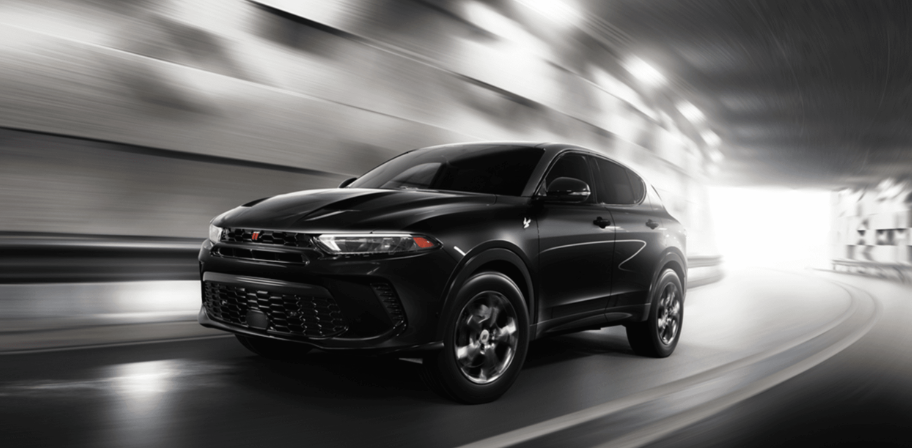
The 2025 Dodge Hornet GT occupies an interesting spot in the compact SUV market. It pairs a genuinely sporty driving character with the everyday versatility that makes a small SUV worth owning. If you’ve been shopping for a compact SUV that actually puts a smile on your face, the Hornet GT is worth a closer look. We invite you to browse our new vehicle inventory at Lum’s Auto Center in Warrenton, OR to see what’s currently available.
Why the 2025 Dodge Hornet GT Feels Different from Other Compact SUVs
The compact SUV segment is crowded, and most entries blend together after a while. The 2025 Dodge Hornet GT breaks that pattern with a design philosophy built around performance first. The aggressive stance and sport-forward detailing signal something different before you even open the door. Dodge built this vehicle for people who want the practicality of a small SUV without surrendering the edge of a proper driver’s car.
The looks are just the beginning. The engineering ties together well, with the powertrain and suspension tuning working as a unit to deliver a connected, responsive feel. Buyers who’ve grown tired of compact SUVs that feel like elevated shopping carts will find the GT’s driving character genuinely refreshing. You can dig deeper into specs and configuration details on our Dodge Hornet research page.
Performance That Sets the GT Apart
The Hornet GT earns its performance reputation starting under the hood.
Turbocharged Engine and Real-World Power Feel
Dodge equipped the Hornet GT with a 2.0L turbocharged Hurricane4 inline-four producing 268 hp and 295 lb-ft of torque, paired with a 9-speed automatic transmission. That combination pushes the GT from 0 to 60 mph in 6.5 seconds. The turbo setup delivers usable power across a wide variety of situations: highway merging, two-lane passing, or simply keeping pace in town. It responds the way you’d expect a performance-tuned vehicle to respond.
In everyday driving, the powertrain feels confident and eager. Throttle response is sharp, and the engine has enough character to remind you this isn’t a generic commuter. The 9-speed automatic shifts smoothly and stays out of the way when you want to drive, which makes the GT feel more polished than its price point suggests.
AWD Confidence on Coastal Roads and Beyond
The Oregon Coast is beautiful and unpredictable. Winding coastal routes, rain, and fog are just part of driving here. AWD comes standard on the Hornet GT, and Dodge also added torque vectoring to sharpen cornering response and improve stability when conditions demand it.
On wet pavement along the Oregon Coast, slick winter roads, or gravel-strewn inland routes, the AWD system keeps things settled and predictable. You stay focused on the drive rather than second-guessing the road surface. For drivers near Warrenton, OR who deal with seasonal rain and coastal moisture regularly, that all-weather capability is a practical asset that you’ll actually rely on.
GT Specs at a Glance
| Spec | Detail |
|---|---|
| Engine | 2.0L turbocharged Hurricane4 inline-four |
| Horsepower / Torque | 268 hp / 295 lb-ft |
| Transmission | 9-speed automatic |
| Drivetrain | AWD with torque vectoring |
| Fuel Economy | 21 mpg city / 29 mpg highway |
| Cargo Volume | 27 cu ft (rear seats up) / 54.7 cu ft (folded) |
Compact SUV Practicality Without the Boring
The Hornet GT makes a strong performance case, but it also has to work as a real-world vehicle. On that front, it delivers more than you might expect.
Interior Space, Cargo, and Everyday Usability
The Hornet GT seats five passengers, and the cabin uses that space well. Rear-seat room is generous for the class, with enough space to comfortably seat adults on longer trips. The cabin feels purposeful rather than cramped, which matters when this is your daily driver.
Cargo space is a real strength. The 27 cubic feet behind the rear seats handles groceries, weekend bags, and outdoor gear without drama. Fold the rear seats down and that figure expands to 54.7 cubic feet, so furniture pickups and camping trips become realistic options. For Oregon Coast families who split time between the daily commute and weekend drives, that flexibility is genuinely useful.
Cabin Tech and Connectivity Features
Dodge equipped the Hornet GT with a 12.3-inch digital instrument cluster and a 10.25-inch Uconnect 5 touchscreen. Wireless Apple CarPlay and Android Auto come standard, so you stay connected without dealing with cables. The cabin includes USB-A and USB-C ports, available wireless charging, and a solid suite of driver assistance features.
The controls are arranged logically and the interface responds quickly. It feels like a cabin designed for people who use their phones, their playlists, and their maps every day.
How the GT Fits Into the 2025 Hornet Lineup
Dodge built the 2025 Hornet lineup to offer real choices. The GT is the entry point for the performance-oriented side of the range, with the GT Plus, R/T, and R/T Plus sitting above it. The R/T models use a plug-in hybrid powertrain for buyers who prioritize efficiency. The GT steps things up from base with more power, a sport-tuned character, and a higher level of standard equipment.
For buyers comparing trim levels, the GT usually wins on driver engagement. It’s the version Dodge clearly had the most fun building, and that comes through in how it drives.
Fuel Efficiency Expectations for Daily Drivers
Performance-oriented vehicles have a reputation for burning through fuel, but the Hornet GT works against that expectation. The EPA-rated 21 mpg city and 29 mpg highway figures hold up reasonably well for daily driving, and the turbocharged Hurricane4 is built with efficiency alongside performance in mind.
Running errands around Warrenton or making longer coastal drives, the powertrain balances fun and fuel economy in a way that fits a full week of use, not just weekend outings.
Why 2025 May Be Your Last Chance to Buy a New Hornet
Dodge confirmed in January 2026 that Hornet production has ended. The 2025 model year is the final one. There is no upcoming model year to wait for, so if you’ve been on the fence, that’s a real deadline.
The turbocharged engine, standard AWD with torque vectoring, solid interior space, and modern tech add up to a package that’s hard to match in this segment. Remaining 2025 Hornet GT inventory is what’s available, and it will sell. Check what we currently have rather than assuming a specific configuration will still be there when you’re ready. Inventory at this stage of a final model year moves quickly, and acting sooner gives you more options.
If you’d like to get a head start before visiting us, our team at Lum’s Auto Center is happy to help. You can get pre-approved for financing online to simplify the process when you’re ready to move forward.
Find the 2025 Dodge Hornet GT Near Warrenton and the Oregon Coast
If you’re looking for a Dodge Hornet dealer on the Oregon Coast, we’re your local resource. Lum’s Auto Center has been a family-owned dealership group serving Oregon and Washington since 1969, and our Warrenton, OR location serves buyers throughout the coastal region, including Astoria, Seaside, and the communities in between.
Our team can walk you through the Hornet GT’s features, help you explore current inventory, and work through financing options that fit your situation. Ready to schedule a test drive, ask about trim levels, or get paperwork started? We’re here.
Contact us or browse our current new vehicle inventory online to see what’s available today. With 2025 confirmed as the final model year for the Hornet, connecting with our team now gives you the best chance of securing the configuration you want before inventory is gone.
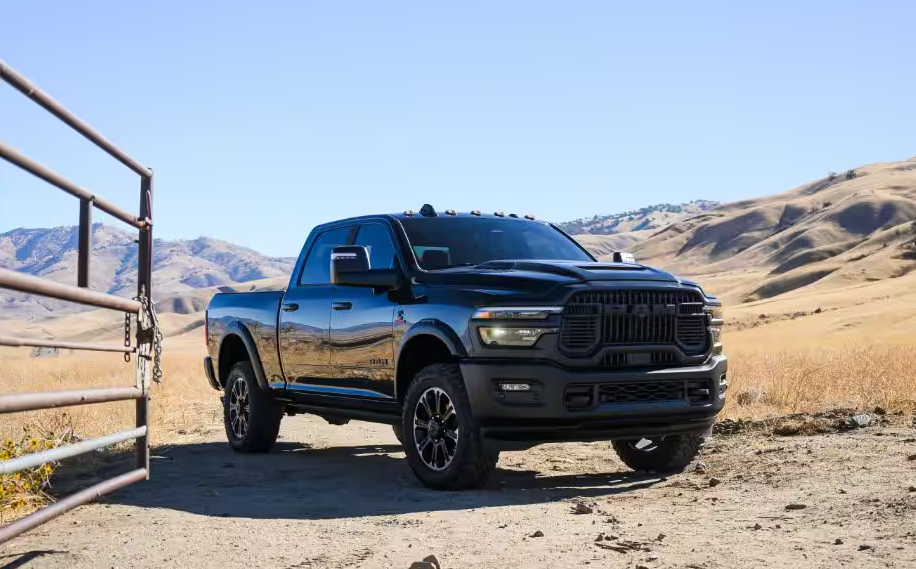
Picking between the Ram 1500 and Ram 2500 sounds straightforward until you’re standing on a dealership lot trying to justify the difference in size and capability. These two trucks share a name and a reputation for toughness, but they serve genuinely different purposes. Whether you’re hauling gear down to the Oregon Coast or managing a full workweek on a jobsite, the right choice comes down to understanding what each truck was actually built to do.
At Lum’s Auto Center, we work through this decision with customers regularly, and we’ve put together this guide to help you sort it out before you visit. If you’re ready to start comparing options now, you can browse our new Ram inventory to see what’s currently available.
How the Ram 1500 and Ram 2500 Actually Differ
It comes down to duty rating. The Ram 1500 is a light-duty truck built for everyday versatility, while the Ram 2500 is a heavy-duty truck designed to handle demanding loads, larger trailers, and rigorous commercial use. That distinction shapes everything from the frame and suspension to engine options and capability figures.
The Ram 1500 leans into comfort, technology, and daily drivability. The Ram 2500 prioritizes raw capability, with a heavier frame, reinforced components, and significantly higher towing and payload ratings. These differences aren’t cosmetic. They reflect fundamentally different engineering priorities aimed at different kinds of truck owners.
Towing and Hauling Capability: Light-Duty vs. Heavy-Duty Performance
Towing and payload are usually the first numbers people check, and for good reason. The gap between these two trucks is substantial enough to matter in real-world use, particularly for anyone managing boats, fifth-wheel campers, or heavy equipment.
| Ram 1500 | Ram 2500 | |
|---|---|---|
| Engine Options | 3.0L Hurricane, 5.7L HEMI V8 | 6.4L HEMI V8, 6.7L Cummins Turbo Diesel |
| Max Towing Capacity | Up to 11,610 lbs (3.0L Hurricane) | Up to 19,990 lbs (6.7L Cummins Turbo Diesel) |
| Payload Capacity | 1,190 to 2,360 lbs | Up to 3,930 lbs (HEMI V8) |
| Positioning | Daily driving, versatility, comfort | Heavy hauling, jobsite durability, max capability |
Ram 1500 Towing and Payload for Everyday Needs
The Ram 1500 handles most of what everyday truck owners actually need. With max towing of up to 11,610 lbs when properly equipped with the 3.0L Hurricane engine, it’s a natural fit for pulling a fishing boat out to Tillamook Bay, hauling a travel trailer on a coastal camping trip, or handling lighter jobsite loads. Its engine lineup balances power with efficiency, and the ride quality holds up well on longer highway stretches.
For families and individuals who need a dependable, capable truck without needing to move mountains, the Ram 1500 covers a lot of ground.
Ram 2500 Towing and Payload for Serious Work
The Ram 2500 steps into a different category entirely. With the available 6.7L Cummins Turbo Diesel, it can tow up to 20,000 lbs when properly configured, and payload tops out at 4,580 lbs with the 6.4L HEMI V8. Its reinforced frame and heavy-duty axles give it stability under loads that would strain a lighter truck.
For contractors working jobsites in Clatsop County, ranchers moving livestock trailers, or anyone routinely hauling equipment, those numbers translate directly into capability you can count on every day.
Daily Driving and Ride Comfort on Oregon Coast Roads
Living and working in the Pacific Northwest means driving roads that are anything but predictable. Highway 101 winds along the coast, and rural gravel lanes outside Warrenton, OR have a way of testing your suspension. Your truck needs to feel manageable day to day, and this is where the differences between the Ram 1500 and Ram 2500 become genuinely relevant.
The Ram 1500 uses a coil-spring rear suspension, which absorbs road imperfections more smoothly and delivers a noticeably more refined ride. That translates to a quieter, more car-like feel on long drives and in everyday town driving. The Ram 2500, by contrast, uses a leaf-spring rear suspension optimized for load-bearing performance. That setup is the right engineering choice when you’re hauling heavy payloads or towing at the upper end of the truck’s rating, but it produces a firmer, choppier feel when the truck is running unloaded.
Drivers who spend most of their time commuting or running errands will feel that difference clearly. The Ram 1500 earns higher marks as a daily driver for exactly this reason.
Jobsite Use, Weekend Recreation, and Real-World Versatility
Both trucks show up differently depending on what you’re asking of them. How you split your time between work and recreation will push you toward one or the other.
Which Truck Handles the Jobsite Better
The Ram 2500 is the clear choice for serious jobsite use. Its payload capacity means you can load the bed with materials without worrying about exceeding limits, and its solid build handles daily wear from construction work. When you’re regularly transporting lumber, machinery, or towing multiple pieces of equipment in a single run, the Ram 2500 justifies its cost quickly. For a contractor running jobsites around Clatsop County and Southwest Washington, it’s the truck built for that kind of schedule.
Exploring the Oregon Coast: Trails, Boats, and Campers
For weekend adventures along the coast, the Ram 1500 offers a compelling mix of capability and approachability. It’s lighter, more maneuverable on narrow forest service roads, and easier on fuel when you’re putting miles between campgrounds.
If your plans involve a moderately sized boat, a pop-up camper, or a utility trailer loaded with ATVs, the Ram 1500 handles all of it without overcomplicating the drive. The Ram 2500 does step up for those towing larger fifth-wheel campers or horse trailers, but its size and weight can feel like more truck than necessary for a casual trip to Cannon Beach.
Cab Configurations, Technology, and Comfort Features
The two trucks offer different cab options. The Ram 1500 comes in Quad Cab and Crew Cab. The Ram 2500 comes in Regular Cab, Crew Cab, and Mega Cab. The Crew Cab remains the most popular choice for families and those who carry passengers regularly, offering generous rear seating in both models.
Technology and interior quality have improved significantly across both lineups. The Ram 1500 tends to lead in premium features, with larger touchscreen displays, available premium audio systems, and driver assistance packages that feel more consumer-focused. The Ram 2500 integrates solid technology as well, but its feature set tilts toward utility, with trailer management systems and connectivity tools that complement jobsite use.
Both trucks are available across multiple trim levels, from the Tradesman up to the Limited, so the right fit depends on how much comfort and technology you want alongside the capability you need.
Cost, Fuel Economy, and Long-Term Ownership Considerations
Budget extends well beyond the purchase price. The Ram 1500 carries a lower starting price and delivers better fuel efficiency, which adds up over time for anyone putting significant miles on their truck. The Ram 2500 costs more upfront and demands more at the pump, and that gap can widen meaningfully over several years of ownership.
The Ram 2500’s added mass also affects tire wear and how the truck handles in everyday settings. Long-term, buyers who genuinely need heavy-duty capability find real value in the Ram 2500’s durability and resale strength. Those who don’t regularly use that capability, though, often find the Ram 1500 a more practical and cost-effective choice over time.
It’s also worth noting that if you’re weighing the Ram 1500 vs Ram 2500 vs Ram 3500, the 3500 pushes into commercial territory with even higher ratings. For most truck buyers along the Oregon Coast and Southwest Washington, the realistic choice comes down to the 1500 and 2500.
Which Ram Truck Is Right for You?
Think honestly about how you’ll use the truck most days, not just the occasional heavy haul or dream camping trip, and the decision usually becomes clearer.
Choose the Ram 1500 If…
The Ram 1500 makes the most sense if your primary needs center on daily driving, light-to-moderate towing, and family use. If your trailer stays under the light-duty threshold and your driving mixes city streets with the occasional jobsite, it delivers everything you need. A family in Warrenton, OR who occasionally tows a camper to the coast and wants a comfortable weekday commuter will likely find the Ram 1500 hits every note without overbuilding for work they won’t do.
Choose the Ram 2500 If…
The Ram 2500 earns its place when your work or recreation regularly pushes the limits of what a light-duty truck can handle. Contractors who move heavy materials, ranchers who tow livestock trailers, and outdoor enthusiasts pulling large fifth-wheel campers all benefit from what the Ram 2500 brings. When your needs consistently demand towing approaching 20,000 lbs, reinforced payload ratings, and a truck that can take a beating day after day, the Ram 2500 is built to deliver.
Explore Ram Trucks at Lum’s Auto Center
At Lum’s Auto Center, we’ve been helping Pacific Northwest drivers find the right truck since 1969. Our Warrenton location carries new and pre-owned Ram trucks, including both the Ram 1500 and Ram 2500, and our team knows these vehicles well enough to walk you through the real-world differences rather than just the spec sheet.
You can start your search online, explore financing options to plan your purchase, or visit us in person to take both trucks for a drive and feel the difference for yourself. For current pricing or specific inventory questions, contact us directly or give us a call at 503-861-1144. We’ll help you figure out exactly which Ram belongs in your driveway.

A pre-owned vehicle can offer strong value, but not every pre-owned vehicle is sold under the same standards. Two of the most common categories are certified pre-owned vehicles and conventional used vehicles. Both can be smart choices; the better fit depends on your budget, preferred age and mileage, warranty priorities, and how much flexibility you want.
At Lum’s Auto Center in Warrenton, OR, shoppers can compare a changing selection of used and certified pre-owned vehicles when available. Understanding the distinction will help you ask the right questions before scheduling a test drive.
What Is a Certified Pre-Owned Vehicle?
A certified pre-owned, or CPO, vehicle is a used vehicle that has met the eligibility and inspection requirements of a manufacturer-backed certification program. Requirements vary by brand, but they commonly address model year, mileage, vehicle history, mechanical condition, and reconditioning. A qualifying vehicle must complete the program’s inspection process before it can be advertised as certified.
CPO vehicles often include limited warranty coverage and may include additional benefits such as roadside assistance, scheduled maintenance, or special financing. Exact coverage depends on the manufacturer, model, original in-service date, and certification program, so shoppers should review the written program details for the specific vehicle.
What Is a Conventional Used Vehicle?
A conventional used vehicle has had a previous owner but is not currently being sold under a manufacturer-backed CPO program. It may be older, have higher mileage, come from a brand the dealership does not represent, or simply fall outside a certification program’s eligibility limits. That does not automatically make it a poor choice. Many used vehicles can provide dependable transportation and better fit a lower or more flexible budget.
Used vehicles at Lum’s are reviewed before being offered for sale, and individual listings provide vehicle-specific details. Shoppers should still evaluate history, condition, remaining warranty coverage, and service records for any vehicle they are considering.
Certified Pre-Owned vs Used Cars at a Glance
| Comparison Point | Certified Pre-Owned | Conventional Used |
|---|---|---|
| Eligibility | Must meet a brand program’s age, mileage, history, and condition standards | Can include a much wider range of years, mileage, makes, and conditions |
| Inspection | Must complete the manufacturer’s required certification inspection | Inspection and reconditioning standards are set by the selling dealership |
| Warranty | Usually includes manufacturer-backed limited warranty coverage | May have remaining factory coverage, dealer coverage, optional protection, or no warranty |
| Price | Often priced higher than a similar non-certified vehicle | Usually offers a broader range of price points |
| Selection | Limited to vehicles that qualify for a specific certification program | Typically provides more makes, model years, mileage ranges, and body styles |
| Best Fit | Shoppers prioritizing newer vehicles and added program coverage | Shoppers prioritizing budget, variety, or a specific older model |
Reasons to Consider a Certified Pre-Owned Vehicle
Added Standards and Manufacturer-Backed Coverage
The main appeal of a CPO vehicle is the structured program behind it. Buyers receive documentation showing that the vehicle met defined eligibility criteria and passed the required inspection. The included limited warranty may also reduce uncertainty about certain covered repairs during the applicable term.
A Newer-Vehicle Experience at a Pre-Owned Price
CPO inventory commonly consists of recent-model vehicles with mileage below the program limit. This can appeal to shoppers who want modern safety, convenience, connectivity, or driver-assistance features without paying the price of a comparable new vehicle.
Potential Program Benefits
Depending on the manufacturer, certification may include roadside assistance, trip interruption coverage, vehicle history documentation, exchange provisions, maintenance benefits, or access to special financing. These benefits are not identical across brands and may change, so verify the details rather than assuming every CPO vehicle includes the same package.
Reasons to Consider a Conventional Used Vehicle
More Flexibility Across Price and Vehicle Type
Conventional used inventory usually covers a wider range of budgets, model years, mileage levels, and manufacturers. That flexibility can be especially useful for first-time buyers, commuters, shoppers seeking a second household vehicle, or drivers who want a discontinued model or configuration.
Lower Purchase Price May Matter More Than Certification
A non-certified used vehicle may cost less than a comparable CPO model because it does not include the certification program and related coverage. For shoppers who have room in the budget for routine maintenance, plan to keep monthly payments lower, or prefer to arrange separate protection, the price difference may be more valuable than CPO benefits.
Questions to Ask Before Choosing Either Option
- Is this vehicle manufacturer-certified, dealer-certified, or simply described as inspected?
- What specific inspection was completed, and can I review the checklist?
- What warranty coverage remains, who backs it, and what are the time and mileage limits?
- Is there a deductible, and which repairs or components are excluded?
- Can I review the vehicle history report and available maintenance records?
- What reconditioning work was completed before the vehicle was listed?
- How does the total price compare with a similar CPO, conventional used, and new vehicle?
The word “certified” can be used in different ways. A manufacturer-certified vehicle is enrolled in the automaker’s official program. A dealer-certified vehicle may follow standards created by the dealership or a third party. Ask for written documentation so you know which type of certification applies.
How to Decide Which Pre-Owned Vehicle Fits You
A CPO vehicle may make sense when you want a newer model, prefer manufacturer-backed limited warranty coverage, and are comfortable paying more for those program benefits. A conventional used vehicle may make more sense when the purchase price is the top priority, you want the broadest possible selection, or the exact model you need does not qualify for certification.
Do not compare labels alone. Compare the specific vehicles. A well-maintained conventional used vehicle with complete records may suit you better than a CPO vehicle that stretches your budget. Conversely, the warranty and program benefits on a qualifying CPO model may justify the added cost for a buyer who values predictable ownership support.
Shop Used and Certified Pre-Owned Vehicles at Lum’s
Start by browsing the current used vehicle inventory at Lum’s Auto Center. Inventory changes regularly, and certified availability varies by brand and vehicle. Open individual listings to review mileage, equipment, photos, and current availability, then contact our team to confirm whether a particular model is manufacturer-certified and what coverage applies.
You can also begin the financing process online or use our vehicle search resources if you do not see the exact model you want. Our team can help you compare total cost, warranty details, trade-in value, and ownership priorities without treating one category as the right answer for every buyer.
Frequently Asked Questions About CPO and Used Cars
Are all low-mileage used cars certified pre-owned?
No. Low mileage alone does not make a vehicle certified. It must meet the manufacturer’s full eligibility requirements and complete the required certification process.
Do certified pre-owned vehicles cost more?
They often cost more than comparable non-certified vehicles because of the program requirements, inspection, reconditioning, warranty coverage, and possible added benefits. Actual pricing depends on the vehicle and market conditions.
Can a used vehicle still have factory warranty coverage?
Yes. A conventional used vehicle may still have part of its original factory warranty remaining, depending on its age, mileage, in-service date, and warranty terms. Ask the dealership to verify the applicable coverage.
Compare Your Options at Lum’s Auto Center in Warrenton
The best choice is the vehicle that fits your budget, driving needs, and comfort level after you review the full details. Visit Lum’s Auto Center at 1605 SE Ensign Lane in Warrenton, OR, call 503-861-1144, or contact us online to compare available certified pre-owned and used vehicles.
Image by Getty Images under the Unsplash+ License
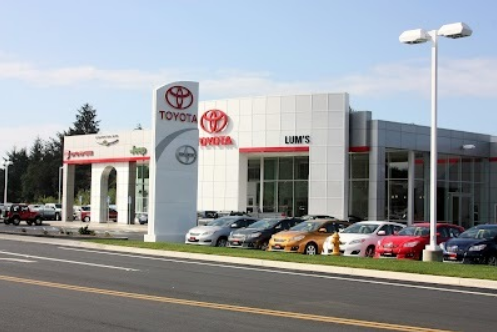
Choosing where to buy or service a vehicle matters almost as much as choosing the vehicle itself. A dealership should offer useful options, clear guidance, dependable support, and a team that remains available after the paperwork is complete. At Lum’s Auto Center, those priorities have shaped the customer experience since 1969.
Our family of dealerships serves drivers across Oregon and Washington with new and pre-owned vehicles, financing resources, trade-in support, and professional service. Here is what makes Lum’s different for shoppers comparing local dealerships.
A Family-Owned Dealership Serving the Pacific Northwest Since 1969
Lum’s Auto Center began in Astoria in 1969 and has grown while remaining family-owned and community-focused. That history matters because long-term relationships are central to how we do business. Many customers return for their next vehicle, bring family members to shop with us, or rely on our service teams throughout the life of their vehicles.
Local Experience That Helps Us Understand Area Drivers
Drivers along the Oregon Coast and throughout the Pacific Northwest face conditions that can influence what they need from a vehicle. Wet roads, changing weather, rural travel, work demands, and weekend recreation can all affect whether a sedan, SUV, truck, hybrid, or four-wheel-drive model makes the most sense. Our team can help shoppers compare those practical needs instead of focusing only on a list of features.
Community Involvement Beyond the Dealership
Lum’s supports local schools, nonprofits, charities, community events, beach cleanups, and other regional initiatives. Our involvement in Clatsop County and Pacific County reflects a simple principle: a local dealership should contribute to the communities that support it. Learn more about our history and community programs on the Lum’s Auto Center About Us page.
Multiple Dealerships and Brands Give Shoppers More Choice
One advantage of shopping with the Lum’s family is access to multiple dealership locations and a broad mix of brands. Our network includes Lum’s Toyota and Lum’s CDJR in Warrenton, Walla Walla Toyota in Washington, and Lum’s Chevrolet and Lum’s GMC in McMinnville. Availability differs by store, but the broader group gives shoppers more ways to compare vehicles, body styles, capabilities, and price points.
| Lum’s Location | Primary Brands | Location |
|---|---|---|
| Lum’s Toyota | Toyota | Warrenton, OR |
| Lum’s CDJR | Chrysler, Dodge, Jeep, Ram | Warrenton, OR |
| Walla Walla Toyota | Toyota | Walla Walla, WA |
| Lum’s Chevrolet and Lum’s GMC | Chevrolet and GMC | McMinnville, OR |
For shoppers in Warrenton, the group site provides a convenient starting point to browse new vehicles and compare used inventory across a wide range of makes and models.
A Simpler Vehicle Shopping Process
A productive dealership visit should help you make a confident decision without unnecessary confusion. Our team can help you narrow the field based on budget, passenger space, cargo needs, fuel preferences, towing requirements, commute length, and the type of driving you do most often.
Online Tools Help You Prepare Before Your Visit
You can start from home by reviewing current inventory, estimating a trade-in value, exploring financing, or submitting a vehicle request. These tools make it easier to build a short list and arrive with a clearer understanding of your priorities. If the exact vehicle you want is not currently available, our Find My Car tool lets you tell us what you are looking for.
Financing Support for Different Buying Situations
Every buyer’s financial situation is different. Our finance team works with multiple lending resources and helps shoppers review available terms based on the vehicle, credit profile, down payment, and trade-in. You can begin with our online finance application before visiting the dealership.
Used Vehicles, Trade-Ins, and Value-Focused Options
Not every shopper needs a brand-new vehicle. Lum’s maintains a changing selection of pre-owned cars, trucks, SUVs, vans, and hybrids, including vehicles from brands beyond those represented by our new-car dealerships. Used inventory may include lower-priced options, recent-model vehicles, and certified pre-owned models when available.
Shoppers can also review current used specials and vehicles under $20,000. Because pre-owned inventory changes quickly, it is helpful to confirm availability before making the trip. Our team can also appraise your current vehicle and explain how its value may be applied toward your next purchase.
Service and Parts Support After the Sale
The relationship does not end when you drive home. Lum’s offers maintenance, repair, and parts support for Toyota, Chrysler, Dodge, Jeep, and Ram vehicles in Warrenton. Factory-trained or certified technicians can assist with routine services such as oil changes, brakes, tires, and inspections, as well as more complex diagnostic and repair needs.
You can schedule service online, review available service specials, or order genuine OEM parts for a do-it-yourself project. Keeping sales, financing, service, and parts resources within the same dealership family can make long-term ownership more convenient.
Frequently Asked Questions About Buying From Lum’s Auto Center
Is Lum’s Auto Center family-owned?
Yes. Lum’s Auto Center is a family-owned dealership group that has served Oregon and Southwest Washington drivers since 1969.
Can I shop both new and used vehicles at Lum’s?
Yes. The Warrenton location offers new Toyota, Chrysler, Dodge, Jeep, and Ram vehicles along with used cars, trucks, SUVs, vans, and hybrids from a variety of manufacturers. Other Lum’s locations expand the group’s available brand selection.
Can I begin financing or value my trade online?
Yes. Lum’s provides online financing and trade-in resources so you can prepare before visiting. Final terms and appraisal values depend on the details of the transaction and the condition of the vehicle.
Visit Lum’s Auto Center in Warrenton, OR
When you buy from Lum’s Auto Center, you are choosing a dealership family built around local experience, broad vehicle choice, practical shopping tools, and support that continues after the sale. Visit us at 1605 SE Ensign Lane in Warrenton, call 503-861-1144, or contact our team online to plan your next step.
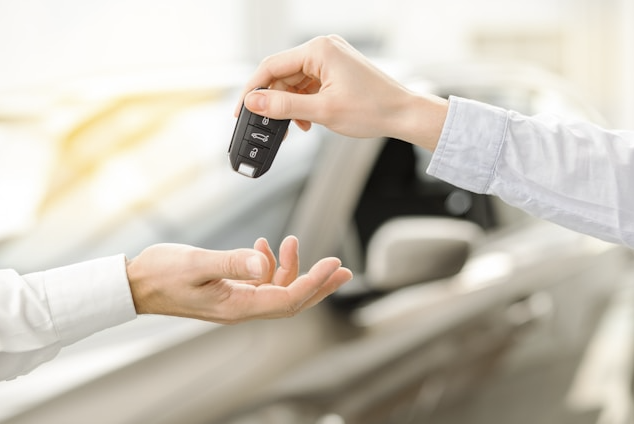
Shopping for a used car can feel overwhelming, but the experience changes significantly when you work with a dealership that genuinely knows its community. Lum’s Auto Center has been serving Pacific Northwest drivers since 1969. For anyone searching for used cars for sale in Warrenton, OR, we’ve built a reputation that’s held up for over 55 years.
If you’re after a fuel-efficient commuter sedan, a capable truck for coastal work, or a roomy SUV for family road trips, browse our used inventory to see what’s currently available.
Why Warrenton Drivers Shop for Used Cars at Lum’s Auto Center
There’s a reason shoppers keep coming back to us rather than driving hours to a big-city lot. Our approach is grounded in honesty and customer satisfaction, a standard we’ve maintained for over five decades.
A Family-Owned Dealership Built for the Local Community
We’re family-owned, and that shapes everything about how we operate. When you walk in, you’re working with people who have long-standing ties to Warrenton and who understand what drivers across Clatsop County and the Oregon Coast actually need. We also support local charities and community events, which builds the kind of trust no advertising campaign can manufacture. Customers who’ve bought from us once tend to return because they feel like people worth knowing, not just a completed sale.
What Sets Our Used Car Inventory Apart
Every vehicle goes through a thorough inspection before it reaches our lot. Inventory updates reflect current market trends and buyer preferences, so if you need a budget-friendly compact or a higher-end pre-owned SUV, there’s always something worth considering. We also carry certified pre-owned options and vehicles at a range of price points to broaden access for buyers in different situations.
Explore the Used Vehicle Categories at Lum’s Auto Center
Our pre-owned inventory is intentionally broad because the drivers who shop with us have genuinely different needs. Some are commuting daily into Astoria, others need room for the whole family, and plenty want something capable enough to handle rough Oregon backroads on weekends.
Cars, Trucks, and SUVs to Fit Every Lifestyle
Here’s a quick look at the categories we regularly stock and who they tend to serve best:
| Category | Best For | Typical Passenger Capacity | Cargo Space | Fuel Efficiency Range | Common Use Cases |
|---|---|---|---|---|---|
| Sedan | Commuters, first-time buyers | 4–5 | Moderate trunk | Higher MPG | Daily driving, city use |
| SUV | Families, all-weather drivers | 5–7+ | Large, flexible | Moderate MPG | Coast trips, hauling gear |
| Pickup Truck | Work, towing, hauling | 3–6 | Open bed + cab storage | Lower MPG | Job sites, towing, outdoor recreation |
| Minivan | Larger families | 7–8 | Very large, configurable | Moderate MPG | Family transport, road trips |
We carry vehicles from Toyota, Chevrolet, GMC, Jeep, Ram, Dodge, and Chrysler, giving shoppers genuine variety across makes and price ranges. Trucks occupy a strong niche in this region. Warrenton’s coastal economy and the broader Pacific Northwest lifestyle mean plenty of drivers need real towing and hauling capability, and our used truck inventory reflects that reality.
How Inventory Is Refreshed and What to Expect
Used inventory moves quickly, and new arrivals come in regularly. If you didn’t find exactly what you wanted during an earlier visit, it’s worth checking back. You can search our pre-owned vehicles online anytime, or call us at 503-861-1144 to ask about current availability.
How to Search Lum’s Used Car Inventory Online
Most buyers do their research before setting foot on a lot, and our website is designed to support exactly that. The online inventory tool lets you filter by price range, vehicle type, mileage, and year, so you can surface only the vehicles that realistically fit your criteria. Listings include key details, photos, and pricing to help you build a short list before your visit.
Evaluating a Used Car Before You Commit
Finding a vehicle that matches your needs is only half the process. The other half involves making sure you’re confident in what you’re actually buying.
Vehicle History, Condition, and the Right Questions to Ask
A vehicle history report is one of the most important documents in any used car transaction. It can reveal prior accidents, title issues, number of previous owners, and whether scheduled maintenance was kept up. Ask for it upfront. Any credible dealership should provide it without hesitation.
When you visit us to look at a vehicle in person, check the exterior for uneven panel gaps or paint inconsistencies that might suggest prior body work. Look at the interior for wear consistent with the listed mileage. Questions worth raising with our team include: Has this vehicle been in any accidents? What does the service record look like? Has it been through a reconditioning process? Was a full inspection completed before it hit the lot?
During the test drive, pay attention to how the vehicle accelerates and brakes, whether the steering feels responsive, and whether any warning lights appear. Unusual sounds during acceleration or braking are worth flagging on the spot.
Our certified technicians handle everything from routine maintenance to engine diagnostics, so our service team can also speak to the condition of a vehicle you’re considering.
Used Car Financing Options at Lum’s Auto Center
Buying a used car doesn’t require a perfect credit score or a large down payment. We work with multiple lenders and offer financing options designed to accommodate a range of financial situations. That includes first-time buyers and people who are rebuilding their credit after a rough patch.
Online pre-approval is available through our site so you can get a sense of where you stand before arriving. We also offer a trade-in valuation tool on our main site if you’re planning to apply an existing vehicle toward your purchase. Our team will walk you through your options without pressure and help you land on terms that fit your life.
Visit Lum’s Auto Center in Warrenton, OR
If you’ve been searching for used cars for sale in Warrenton, OR, we offer something genuinely hard to find elsewhere: broad, regularly updated inventory backed by people who know this community and have earned its trust for more than 55 years.
Address: 1605 SE Ensign Lane, Warrenton, OR 97146
Sales Hours:
Monday–Friday: 8 AM–7 PM
Saturday: 9 AM–6 PM
Sunday: 11 AM–6 PM
Stop by in person, explore the lot, or visit our main site to get started. You’re also welcome to reach out through our contact page or call us at 503-861-1144. The right vehicle is likely already on the lot.
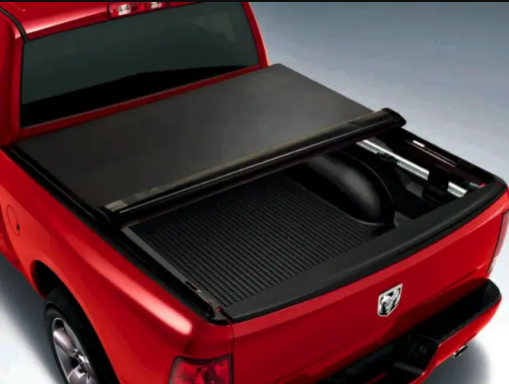
If you own a pickup truck, you already know the bed is one of its most valuable features. But leaving it exposed means your gear is fair game for rain and prying eyes. That’s where tonneau covers for trucks come in. These purpose-built covers protect your cargo, sharpen your truck’s appearance, and can even help fuel efficiency.
At Lum’s Auto Center, we help truck owners across Clatsop County, the Oregon Coast, and Southwest Washington find the right fit for their truck and lifestyle. Contact our team anytime to get started.
What Is a Tonneau Cover?
A tonneau cover is a protective panel or sheet designed to cover the bed of a pickup truck. It sits flush with or just above the bed rails, creating a clean, finished look while keeping cargo protected from the elements. Truck owners gravitate toward them for a few straightforward reasons: weather protection, added security, and modest fuel savings. For many drivers, it’s one of the first upgrades they make after leaving the lot.
Types of Tonneau Covers for Trucks
Tonneau covers fall into two broad categories: soft and hard. Within each, you’ll find designs that cater to different priorities. The table below summarizes the four main types.
| Cover Type | Material | Security Level | Bed Access | Weather Resistance | Best For |
|---|---|---|---|---|---|
| Soft roll-up | Marine-grade vinyl/canvas over aluminum frame | Moderate | Full bed | Good | Light-duty everyday use |
| Soft folding | Marine-grade vinyl/canvas over aluminum frame | Moderate | Up to ⅔ bed | Good | Budget-conscious buyers wanting quick access |
| Hard folding | Aluminum/poly/composite with EPDM rubber seals | High | Sectional | Strong | Tool and valuable cargo haulers |
| Retractable | Interlocking aluminum or composite slats | High | Multi-position | Strong | Frequent-use drivers wanting premium convenience |
Soft Roll-Up and Folding Covers
Soft tonneau covers are the most accessible entry point, offering solid protection at a lower price. A soft roll-up cover rolls toward the cab when fully open, giving you complete bed access. It is ideal for hauling long lumber or oversized gear. Soft folding covers divide into two or three panels that fold forward, so you can open a portion of the bed or the whole thing. Both styles typically install without drilling and are light enough to remove if needed.
Hard Folding and Retractable Covers
Hard covers step up in durability and security. Built from aluminum, composite, or reinforced poly panels, they hold up against impact, weather, and tampering. Hard folding covers use rigid panels that lock into place, giving you flexible access without sacrificing security.
Retractable covers feature interlocking slats that slide back on a track and can lock at any position along the bed. Both styles carry a higher upfront cost, but for drivers who regularly haul tools or valuables, the added protection is worth it.
Key Benefits of Adding a Truck Bed Cover
Weather protection is the most immediate benefit. A quality cover keeps rain, snow, and UV exposure from damaging what’s in your bed. Along the Oregon Coast, where wet weather is a regular reality, a weather-resistant barrier is genuinely useful rather than optional. Most quality covers are highly weather-resistant but not fully waterproof, which is an important distinction for buyers in our region.
Security is the second major draw. Keeping cargo covered and out of sight reduces opportunistic theft, and locking hard covers add a physical deterrent. On the efficiency side, one commonly cited figure puts highway fuel economy improvement at around 5% by reducing aerodynamic drag from an open bed, though real-world results vary by truck and driving conditions. A well-maintained bed with a quality cover also tends to support better resale value when it’s time to sell.
How to Choose the Right Tonneau Cover for Your Needs
Think of this as advice from someone who has helped hundreds of local truck owners find the right fit, not a generic checklist.
Start with how you use your truck: If you load and unload multiple times a day, you want fast, full access. A soft roll-up or retractable cover handles that well. If your cargo sits for days at a time, a hard folding cover with a lock is a smarter call.
Consider what you’re protecting: Camping gear and weekend supplies do fine under a soft cover. Electronics, tools, or anything else you’d hate to lose overnight warrant the locking security of a hard folding or retractable system.
Think through fitment before buying: Covers are built to specific bed dimensions, so confirm your bed length and cross-reference it with your truck’s make, model, cab configuration (crew cab, extended cab, or standard cab), and bed liner type. Spray-in liners, drop-in liners, bed rail caps, and existing accessories like toolboxes can all affect which covers install cleanly.
If you’re browsing our new truck inventory and want to plan accessories ahead of purchase, our team can walk you through fitment options for Toyota, Ram, Chrysler, Dodge, and Jeep platforms before you finalize your build.
Soft vs. Hard Tonneau Covers: Which Is the Better Fit?
Rather than a straight pros-and-cons list, answer these three questions:
What’s your budget? Soft covers cost less and install easily at home with clamp-on hardware. If budget is the primary concern and your cargo is lower-value, a soft roll-up or soft folding cover covers the basics well.
How important is locking security? If you regularly leave tools, electronics, or gear in your bed overnight, the answer should point you directly toward a hard folding or retractable cover. Soft materials can be cut; hard panels and EPDM-sealed frames cannot.
How often do you need access? Daily, varied loading favors a retractable cover for its speed and multi-position locking. Less frequent access makes a hard folding cover a practical and cost-effective choice.
If you answered “tight budget, lower-value cargo, and occasional access,” a soft cover is your fit. If two or more answers lean toward security, durability, or frequent use, invest in a hard cover.
Find the Right Tonneau Cover at Lum’s Auto Center
We make it straightforward. Our parts and accessories team helps truck owners across Warrenton, Clatsop County, and the Oregon Coast find covers that fit their specific bed, work with their existing accessories, and hold up to regional driving conditions. We support Toyota, Ram, Chrysler, Dodge, and Jeep platforms, so whether you’re driving a Tacoma, a Ram 1500, or a Jeep Gladiator, we can confirm fitment and get you the right cover.
No sorting through pages of generic listings hoping something fits. You get accurate fitment guidance from people who know these trucks. Reach out to the Lum’s Auto Center team at 503-861-1144, stop by one of our locations, or contact us online to find the right pickup truck bed cover for your setup.
Connect with us


- July 2026
- June 2026
- August 2023
- July 2023
- June 2023
- May 2023
- April 2023
- March 2023
- February 2023
- January 2023
- December 2022
- November 2022
- October 2022
- September 2022
- August 2022
- July 2022
- June 2022
- May 2022
- April 2022
- March 2022
- February 2022
- January 2022
- December 2021
- November 2021
- October 2021
- September 2021
- August 2021
- July 2021
- June 2021
- May 2021
Archives
- 300
- Chrysler
- Color Options
- Dodge
- Dodge Challenger
- Dodge Charger
- Dodge Hornet
- Electric Vehicles
- Finance
- Hybrid
- Jeep Cherokee
- Jeep Compass
- Jeep Gladiator
- Jeep Grand Cherokee
- Jeep Grand Cherokee L
- Jeep Grand Wagoneer
- Jeep Renegade
- Jeep Wrangler
- Last Call
- Local
- News
- Ram
- Ram 1500
- Ram 1500 TRX
- Ram 2500
- Ram 3500
- Safety
- Service & Parts
- Tips and Tricks
- Toyota
- Toyota 4Runner
- Toyota Avalon
- Toyota bZ4X
- Toyota C-HR
- Toyota Camry
- Toyota Corolla
- Toyota Corolla Cross
- Toyota Crown
- Toyota EV
- Toyota GR Corolla
- Toyota GR Corolla Morizo Edition
- Toyota GR86
- Toyota Grand Highlander
- Toyota Highlander
- Toyota Mirai
- Toyota Prius
- Toyota RAV4
- Toyota Sequoia
- Toyota Sienna
- Toyota Supra
- Toyota Tacoma
- Toyota Tundra
- Toyota Venza
- Uncategorized
- Used Cars
- Vehicle Comparisons
- Wagoneer Series II
- Wagoneer Series III