
Blog / Service & Parts

Tonneau Covers for Trucks: Types, Benefits and Shopping Tips

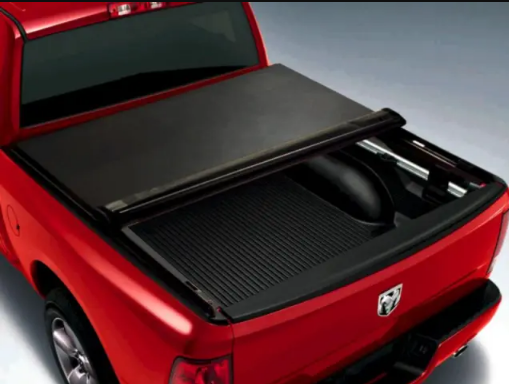
Retractable tonneau cover partially open on red pickup truck bed

If you own a pickup truck, you already know the bed is one of its most valuable features. But leaving it exposed means your gear is fair game for rain and prying eyes. That's where tonneau covers for trucks come in. These purpose-built covers protect your cargo, sharpen your truck's appearance, and can even help fuel efficiency.

At Lum's Auto Center, we help truck owners across Clatsop County, the Oregon Coast, and Southwest Washington find the right fit for their truck and lifestyle. Contact our team anytime to get started.

What Is a Tonneau Cover?

A tonneau cover is a protective panel or sheet designed to cover the bed of a pickup truck. It sits flush with or just above the bed rails, creating a clean, finished look while keeping cargo protected from the elements. Truck owners gravitate toward them for a few straightforward reasons: weather protection, added security, and modest fuel savings. For many drivers, it's one of the first upgrades they make after leaving the lot.

Types of Tonneau Covers for Trucks

Tonneau covers fall into two broad categories: soft and hard. Within each, you'll find designs that cater to different priorities. The table below summarizes the four main types.


Cover TypeMaterialSecurity LevelBed AccessWeather ResistanceBest For
Soft roll-upMarine-grade vinyl/canvas over aluminum frameModerateFull bedGoodLight-duty everyday use
Soft foldingMarine-grade vinyl/canvas over aluminum frameModerateUp to ⅔ bedGoodBudget-conscious buyers wanting quick access
Hard foldingAluminum/poly/composite with EPDM rubber sealsHighSectionalStrongTool and valuable cargo haulers
RetractableInterlocking aluminum or composite slatsHighMulti-positionStrongFrequent-use drivers wanting premium convenience

Soft Roll-Up and Folding Covers

Soft tonneau covers are the most accessible entry point, offering solid protection at a lower price. A soft roll-up cover rolls toward the cab when fully open, giving you complete bed access. It is ideal for hauling long lumber or oversized gear. Soft folding covers divide into two or three panels that fold forward, so you can open a portion of the bed or the whole thing. Both styles typically install without drilling and are light enough to remove if needed.

Hard Folding and Retractable Covers

Hard covers step up in durability and security. Built from aluminum, composite, or reinforced poly panels, they hold up against impact, weather, and tampering. Hard folding covers use rigid panels that lock into place, giving you flexible access without sacrificing security.

Retractable covers feature interlocking slats that slide back on a track and can lock at any position along the bed. Both styles carry a higher upfront cost, but for drivers who regularly haul tools or valuables, the added protection is worth it.

Key Benefits of Adding a Truck Bed Cover

Weather protection is the most immediate benefit. A quality cover keeps rain, snow, and UV exposure from damaging what's in your bed. Along the Oregon Coast, where wet weather is a regular reality, a weather-resistant barrier is genuinely useful rather than optional. Most quality covers are highly weather-resistant but not fully waterproof, which is an important distinction for buyers in our region.

Security is the second major draw. Keeping cargo covered and out of sight reduces opportunistic theft, and locking hard covers add a physical deterrent. On the efficiency side, one commonly cited figure puts highway fuel economy improvement at around 5% by reducing aerodynamic drag from an open bed, though real-world results vary by truck and driving conditions. A well-maintained bed with a quality cover also tends to support better resale value when it's time to sell.

How to Choose the Right Tonneau Cover for Your Needs

Think of this as advice from someone who has helped hundreds of local truck owners find the right fit, not a generic checklist.

  • Start with how you use your truck: If you load and unload multiple times a day, you want fast, full access. A soft roll-up or retractable cover handles that well. If your cargo sits for days at a time, a hard folding cover with a lock is a smarter call.

  • Consider what you're protecting: Camping gear and weekend supplies do fine under a soft cover. Electronics, tools, or anything else you'd hate to lose overnight warrant the locking security of a hard folding or retractable system.

  • Think through fitment before buying: Covers are built to specific bed dimensions, so confirm your bed length and cross-reference it with your truck's make, model, cab configuration (crew cab, extended cab, or standard cab), and bed liner type. Spray-in liners, drop-in liners, bed rail caps, and existing accessories like toolboxes can all affect which covers install cleanly.

If you're browsing our new truck inventory and want to plan accessories ahead of purchase, our team can walk you through fitment options for Toyota, Ram, Chrysler, Dodge, and Jeep platforms before you finalize your build.

Soft vs. Hard Tonneau Covers: Which Is the Better Fit?

Rather than a straight pros-and-cons list, answer these three questions:

What's your budget? Soft covers cost less and install easily at home with clamp-on hardware. If budget is the primary concern and your cargo is lower-value, a soft roll-up or soft folding cover covers the basics well.

How important is locking security? If you regularly leave tools, electronics, or gear in your bed overnight, the answer should point you directly toward a hard folding or retractable cover. Soft materials can be cut; hard panels and EPDM-sealed frames cannot.

How often do you need access? Daily, varied loading favors a retractable cover for its speed and multi-position locking. Less frequent access makes a hard folding cover a practical and cost-effective choice.

If you answered "tight budget, lower-value cargo, and occasional access," a soft cover is your fit. If two or more answers lean toward security, durability, or frequent use, invest in a hard cover.

Find the Right Tonneau Cover at Lum's Auto Center

We make it straightforward. Our parts and accessories team helps truck owners across Warrenton, Clatsop County, and the Oregon Coast find covers that fit their specific bed, work with their existing accessories, and hold up to regional driving conditions. We support Toyota, Ram, Chrysler, Dodge, and Jeep platforms, so whether you're driving a Tacoma, a Ram 1500, or a Jeep Gladiator, we can confirm fitment and get you the right cover.

No sorting through pages of generic listings hoping something fits. You get accurate fitment guidance from people who know these trucks. Reach out to the Lum's Auto Center team at 503-861-1144, stop by one of our locations, or contact us online to find the right pickup truck bed cover for your setup.

Posted in:

Related Posts

Technician connecting jumper cables during vehicle battery service

Battery Service and Replacement in Warrenton: Oregon Coast Weather Checklist

If your car has ever struggled to start on a foggy Warrenton morning, you already know the Oregon Coast is tough on batteries. Salt air, damp mornings, and short errands around town chip away at battery life faster than what drivers inland typically deal with. At Lum's Auto Center, we see the pattern every week, and we want you to understand what's happening under your hood before you're stuck in a parking lot turning the key and getting nothing back. If you're already noticing warning signs, schedule battery service online and we'll get you a proper diagnostic instead of a guess. Why Oregon Coast Weather Puts Extra Strain on Your Battery Coastal living has plenty of perks, but your car battery doesn't share in the enthusiasm. Salty moisture and cool temperatures wear batteries down well before the mileage on your odometer would suggest, and stop-and-go local driving doesn't help matters. Salt Air and Terminal Corrosion Salt particles hang in the air here constantly, and they settle on battery terminals and connections, speeding up corrosion. Once corrosion sets in, power delivery suffers because the connection between the terminal and cable weakens. Humid conditions make it worse. If you spot white or greenish buildup around your terminals, that's corrosion, and it often lines up with starting trouble. Salt and humidity don't stop at the main terminals either. They get into ground straps and low-voltage connectors too, which can trigger warning lights, sensor errors, or a no-start condition that seems to come out of nowhere. Cold, Damp Mornings and Reduced Cranking Power Cold mornings hit batteries harder than most drivers realize. A battery loses around 35% of its strength at 32°F, and roughly 60% at 0°F, according to AAA. Cold slows the chemical reactions inside the battery, so a vehicle's engine can demand about 50% more energy to crank at freezing temperatures. On top of that, cold thickens engine oil, making the engine harder to turn over in the first place. Add in morning dew and condensation, and you've got moisture collecting right around your terminals, which compounds the corrosion problem already mentioned. Short Trips and Moisture-Related Wear Plenty of Warrenton driving happens in short bursts, whether it's a quick trip to the store or a school pickup. These short hops don't give the alternator enough time to fully recharge the battery. Over time, that gradual charge loss leads to sulfation, where lead sulfate crystals build up on the battery plates and hurt performance. It's a slow, quiet failure that often goes unnoticed until the battery simply won't hold a charge anymore. Warning Signs You Need Battery Service in Warrenton Most battery failures don't happen without warning. The trick is knowing what to look for before you're stranded. Slow Starts and Car Won't Start Symptoms A slow engine crank is usually the first clue. You might also notice headlights dimming at idle, power windows moving sluggishly, the radio cutting out, or dash lights flickering intermittently. If you've needed a jump-start more than once recently, that's a strong signal the battery isn't holding its charge the way it should. Dashboard Battery Warnings and Electrical Issues A dashboard battery light doesn't automatically mean you need a new battery. It points to a charging or electrical system issue, and a loose terminal or a failing alternator can trigger it just as easily as a dying battery. Generally speaking, batteries cause slow cranking, dim lights, and repeat jump-start situations, while alternator problems tend to cause the car to die while driving or trigger that dash light mid-trip. Sorting out which one you're dealing with really requires testing rather than guesswork. Corrosion, Swelling, or Battery Age Concerns White or green buildup on the terminals can cause hard starts, flickering electronics, and charging problems, and it often points to an aging or overcharging battery. A swollen or bloated battery case is a more urgent red flag. It usually means overheating or overcharging, and it carries the risk of leaking acid or rupturing outright, so immediate replacement is the right call. Age matters too. Most batteries last three to five years, though vehicles loaded with electronics tend to skew closer to the three-year mark. Once your battery passes that three-year point, it's worth having it tested. Why Testing Comes Before Replacement A weak-looking battery doesn't always need replacing, and drivers who skip testing often end up paying for a battery they didn't actually need. What a Battery Health Check Involves A proper battery health check starts with a voltage check, but that's only half the picture. A load test, using a carbon pile load tester, varies the current draw on the battery to see how it actually performs under stress. Electronic conductance testing goes further, measuring CCA and giving us the most accurate modern read on battery health. We also test alternator output under load, inspect the drive belt and charging wiring, and check for excessive key-off current drain, which should stay under 50 milliamps. If you've recently had an alternator replaced, we'll check the battery's condition as part of that process too, since the two systems work hand in hand. Charge, Replace, or Good to Go: Understanding Your Results Once testing is complete, the results usually land in one of three places. The battery might just need a full charge, it might need replacing outright, or it might be perfectly fine while something else in the charging system is the actual culprit. Sulfation can sometimes prevent a battery from taking a full charge even after service, which is another reason a professional test matters more than a jump-start and a hope. Schedule an appointment and we'll walk you through the results in plain language. Coastal Battery Maintenance Tips for Warrenton Drivers A little routine care goes a long way toward keeping your battery healthy in a salt-air environment. Preventing Corrosion in Salt Air Conditions Clean terminals periodically with a mix of baking soda and water and a gentle wire brush, then rinse and dry thoroughly. Apply dielectric grease to the terminals after cleaning to help block moisture and slow future corrosion. Inspect terminals visually every few weeks, especially after rainy stretches. Salt-induced corrosion on grounds and sensor connectors causes intermittent electrical gremlins that are genuinely hard to diagnose without proper testing. Seasonal Habits That Extend Battery Life Take your vehicle on a highway drive of at least 15 to 20 minutes once a week to give the battery a real chance to recharge fully. Turn off accessories, lights, and climate controls before shutting off the engine to avoid overnight parasitic drain. Have your battery tested once it passes the three-year mark, even if it seems to be starting fine. Age-related decline often shows up in testing before it shows up in daily driving. Battery Service for Toyota and Other Popular Models Different makes have different electrical demands, and battery service should reflect that. If your Toyota is showing a weak battery, hard starts or dim headlights when the engine's off are common tells, and we test it thoroughly before recommending anything. When replacement is genuinely needed, we typically recommend a Toyota TrueStart™ battery, built to Toyota's own standards with the correct CCA and RC for reliable performance in any climate, including ours. You can learn more about our Toyota battery service and replacement process and what to expect. Beyond Toyota, our technicians also service Chrysler, Dodge, Jeep, Ram, and GMC vehicles, and we handle proper disposal of the old battery so you don't have to think about it. Schedule Battery Inspection and Service at Lum's Auto Center Serving Warrenton and the Oregon Coast Whether you're driving in from Astoria, Seaside, or Ocean Park, our Warrenton service center is set up to make battery service straightforward. We regularly run a complimentary battery health check special, so ask us about current offers when you call or stop by since it's a great way to catch a weakening battery before it strands you. You'll find us at 1605 SE Ensign Lane, Warrenton, OR, open Mon–Fri 8 AM–5 PM and Sat 8 AM–4 PM. Battery Types We Work With Battery type, corrosion resistance, and best use case are the main differences worth understanding when comparing options. Standard flooded batteries offer moderate corrosion resistance and suit everyday coastal commuting. AGM batteries offer higher corrosion resistance and fit vehicles with heavy electronic loads better. Toyota TrueStart™ batteries are engineered for varied climates and matched to Toyota specs, making them the right choice for Toyota models needing an OEM-matched fit. All three types generally carry a typical lifespan of three to five years, with CCA and reserve capacity varying by vehicle application. Book Your Visit For battery service Warrenton OR drivers can count on, schedule your battery inspection online or reach out to our team with any questions before you come in. Battery Service FAQs How long do car batteries typically last? Most last three to five years, though extreme temperatures, frequent short trips, and heavy electronics use can shorten that, with electronics-heavy vehicles often skewing closer to the three-year mark. Does cold weather permanently affect a battery's capacity? It can. Cold thickens the electrolyte and increases internal resistance, and repeated exposure without proper charging can permanently reduce capacity over time. Does a dashboard battery light always mean I need a new battery? No. It signals a broader charging system issue, which could involve the alternator or a loose terminal rather than the battery itself. Is a small amount of terminal corrosion a big deal? Light corrosion can be cleaned, but any buildup around the posts should be inspected soon to avoid starting or charging problems down the road. If a jump-start gets my car running, is the battery actually fine? Not always. A jump-start gets you moving, but it doesn't tell you what's actually wrong, and a weak battery may not hold that charge, leaving you stranded again shortly after.

Technician installing brake pad during vehicle brake service

Brake Service Near Astoria and Warrenton: Signs Your Vehicle Needs Inspection

Noise, softness, pulling to one side. If your brakes are doing any of that, pay attention. Drivers around Astoria and Warrenton deal with faster brake wear than most people in drier, flatter parts of the country, and putting off a fix here can turn something minor into a real safety problem. We've kept Oregon Coast drivers safely on the road since 1969, and we want you to know exactly what to watch for and when to call. If you're noticing any of the signs below, schedule a brake inspection with us before your next trip up Highway 101. Why Astoria and Warrenton Drivers Face Extra Brake Wear Brakes here work harder than they do almost anywhere else in the state. Astoria's terrain climbs fast from the bay, with Coxcomb Hill sitting nearly 600 feet above the water, and every steep descent means your brakes absorb more heat than they would on flat ground. Add near-constant moisture, tourist season traffic crawling through town, and salt spray off the water, and pads, rotors, and fluid all wear out faster than they should. Drivers searching for brake service near Astoria OR are usually dealing with these exact conditions, and catching the warning signs early keeps a small fix from becoming a big one. 7 Warning Signs Your Brakes Need Professional Attention Brakes usually give you a heads-up before they fail outright. Learn to catch these signals and you can get ahead of a problem instead of reacting to it on the road. Grinding or Metal-on-Metal Noise A grinding or scraping sound usually means the pads have worn all the way down, and metal is now grinding directly against the rotor. Get this looked at right away. Driving on metal-to-metal contact chews through rotors fast and cuts down your stopping ability with every mile you drive. Squealing or High-Pitched Squeaking That squeal often comes from the built-in wear indicator tab, a small piece designed to warn you before your pads get dangerously thin. Sometimes it's just glazing or moisture on the rotors, but either way, it's worth having a technician take a look. Soft, Spongy, or Sinking Brake Pedal If the pedal feels soft, sinks toward the floor, or needs more pressure than usual, you might have air in the lines, a fluid leak, or worn pads. Brake fluid also absorbs moisture over time, which contributes to that spongy feeling and can hurt stopping performance. Vibration or Pulsing When Braking A pulsing sensation through the pedal or steering wheel typically points to warped rotors. A professional inspection is the only reliable way to tell whether resurfacing will fix it or the rotors need full replacement. Vehicle Pulling to One Side If your car drifts left or right when you brake, uneven pad wear or a dragging caliper is likely the cause. This affects control, especially in wet conditions common around Clatsop County. Longer Stopping Distances Needing more room to stop than you used to means components are wearing down. On wet roads, stopping distances increase substantially, so worn brakes make an already risky situation worse. Dashboard Brake Warning Light That light on your dash doesn't turn on for no reason. Pair it with a different pedal feel or a pull to one side, and it's time to get things checked out. Risks of Ignoring Brake Warning Signs Brake problems left unattended tend to compound. A dragging caliper wears down a rotor. A rotor left too long chews through a fresh set of pads. Reduced stopping power and brake fade on long descents are common outcomes of ignoring early warning signs, and what starts as a simple pad replacement can turn into a rotor replacement or caliper repair if left unaddressed. On the Oregon Coast's hills and wet roads, that delay carries real safety risk, not just a bigger repair bill down the line. How Coastal Weather and Local Driving Conditions Affect Brake Life Those warning signs trace back to conditions unique to living on the Oregon Coast. Astoria sees an average of 81 inches of rain a year, with November alone bringing around 14 inches over 24 rainy days, and humidity that sits between 81% and 84% year-round. That moisture speeds up corrosion on rotors, calipers, and hardware, and it affects brake fluid too. Brake fluid is hygroscopic, meaning it absorbs moisture over time. That lowers its boiling point and can lead to internal corrosion, which explains that spongy pedal feel and longer stopping distances we mentioned earlier. Then there's the terrain. Hilly, downhill driving, like what you get near Coxcomb Hill, puts more heat into your braking system than flat-road driving does, and pads and rotors pay the price faster. Stop-and-go traffic, especially during tourist season when Highway 101 fills up, doesn't give brakes time to cool between stops, and that heat cycling adds up over time. Put all of this together and it's clear why brake repair Oregon Coast drivers need looks a little different than brake maintenance in drier inland regions. NHTSA data shows that roughly 12% of crashes are weather-related, and rain or wet pavement accounts for over 77% of those weather-related crashes, representing 74% of weather-related fatalities, largely because wet roads reduce tire traction and increase stopping distance. In a place as wet as Astoria, that statistic hits close to home. Simple Habits That Extend Brake Life A few small changes in how you drive can meaningfully slow down brake wear, especially given our local terrain and weather. Coast to stops when you can instead of braking hard at the last second, which reduces heat buildup and pad wear. Avoid riding the brake on long downhill grades near Coxcomb Hill; downshift or ease off the accelerator earlier instead. Rinse salt spray and road grime off your wheels after coastal drives to slow corrosion on calipers and rotors. How Often You Should Get a Brake Inspection Most brake inspections are recommended once a year or every 12,000 miles, whichever comes first. That guideline assumes average driving conditions, not the hills and moisture we deal with in Clatsop County. If you're doing frequent stop-and-go driving or regular hill descents, aim closer to every 6 months or 6,000 miles, sometimes stretching to 6-8 months depending on how you drive. If you notice any unusual sounds, vibrations, or warning lights before your next scheduled check, don't wait. Get it looked at right away. Brake Service Types Compared Not every brake issue calls for the same fix. Here's a quick breakdown of common services and when they typically come into play. Service Symptom Addressed Typical Trigger Urgency Level Approximate Service Time Pad Replacement Squealing, grinding Pads worn to minimum thickness or wear indicator activated High if grinding, moderate if squealing Under an hour Rotor Resurfacing Vibration or pulsing Warped or unevenly worn rotor surface Moderate About an hour Caliper Repair Pulling to one side Dragging or sticking caliper Moderate to high One to two hours Brake Fluid Flush Spongy pedal, longer stopping distance Moisture-contaminated or aged fluid Moderate Under an hour What to Expect During a Professional Brake Inspection at Lum's Auto Center When you bring your vehicle to our Warrenton service department, our factory-trained technicians check pad thickness, measure the rotors, inspect calipers for dragging or leaks, and test the condition of your brake fluid. We service Toyota, Chrysler, Dodge, Jeep, Ram, and many other makes, using genuine parts throughout. If you drive a Toyota, our Toyota brake service is part of the Toyota Express Maintenance program, a multi-point inspection that specifically verifies your pad thickness is at a safe level. We also offer a complimentary brake inspection, where our technicians look over your pads, rotors, and overall braking system at no cost. If we find something that needs attention, we'll walk you through your options before any additional work begins. This offer can't be combined with other promotions, so ask us for current details when you call. Once you know where your brakes stand, you're in a much better position to plan ahead rather than react to a problem on the road. If something doesn't feel right, don't put it off. Schedule Your Brake Service Near Astoria or Warrenton Today Why Choose Lum's Auto Center Between the hills, the rain, and the traffic patterns around here, brake wear isn't something you want to guess about. Whether you're hearing a squeal, feeling a pull, or just haven't had your brakes checked in a while, our team at Lum's Auto Center is ready to help. As a family-owned dealership serving Oregon and Washington since 1969, we've built our reputation on straightforward, reliable service for drivers throughout Astoria, Warrenton, and Clatsop County. Get in Touch Stop by our Warrenton service department at 1605 SE Ensign Ln, Warrenton, OR 97146, or call us at 503-861-1144 to talk with our team. Ask about our current service offers when you call, including our complimentary brake inspection. Ready to get your brakes checked? Book your service appointment online today, and let our factory-trained technicians make sure you're stopping safely on every trip along the Oregon Coast.

Oil Change

Oil Change Service in Warrenton, OR: What Drivers Should Know

Oil is the one fluid your engine can't run without, yet it's often the maintenance item drivers put off longest. Whatever's parked in your driveway, staying on top of oil changes keeps your engine running smoothly for years. If your vehicle is due for oil change service in Warrenton, OR, you can schedule service online now and get it handled before small issues turn into big ones. Why Regular Oil Changes Matter for Your Vehicle Oil does far more than just "lubricate" your engine. It reduces friction between moving parts, cools components that coolant can't reach (think crankshaft, pistons, camshaft, bearings), and cleans the engine by trapping dirt and debris as it circulates. Detergents and dispersants in the oil keep contaminants suspended until the oil becomes saturated and needs replacing. Clean oil also cuts down on friction enough to improve your gas mileage, and that adds up whether you're running errands around town or heading up the coast. The Role of Oil in Engine Performance and Longevity Every time your engine runs, oil is working overtime. It protects metal surfaces from wear, fights off corrosion and rust, and manages heat in spots your cooling system simply can't touch. As oil ages, it loses its ability to do these jobs effectively, which puts extra stress on internal components with every mile driven. Risks of Skipping or Delaying Oil Changes Skip enough oil changes, and old oil breaks down into thick, tar-like sludge that clogs oil passages. Degraded oil also allows deposits to build up on pistons, valves, and injectors, forcing a richer fuel-air mixture that burns more fuel and increases emissions. Acidic, aged oil corrodes metal parts, and once lubrication fails, you're looking at metal-to-metal wear that shortens engine life. Skipping your manufacturer's recommended maintenance schedule can also void your vehicle's warranty, an expensive risk for something this routine. How Oregon Coast Driving Conditions Affect Your Oil Driving near the Oregon Coast comes with its own set of challenges for engine oil. Wet roads, shifting weather, and salt-laden air create conditions that push oil to work harder than it would inland. Moisture, Salt Air, and Stop-and-Go Traffic in Warrenton Salt accelerates rust, and along the coast, humidity, heat, and airborne salt create oxidation conditions year-round, unlike the seasonal road salt drivers deal with elsewhere. That salt air doesn't stay outside the engine bay either. It works its way into the fuel system, corroding fuel lines, battery terminals, clamps, and brackets over time. Short trips are common around Warrenton, quick runs to the store or drives across town, and that creates its own problem. Trips under five miles rank among the top "severe service" conditions because the engine never fully warms up. Moisture and acids from combustion blow-by accumulate in the oil instead of burning off. If your daily driving looks like this, your oil change interval on the Oregon Coast probably needs to be shorter than the standard recommendation. How Often You Need an Oil Change: It Depends There's no single answer to how often you need an oil change. It depends on your vehicle, the oil type, your mileage, and how you drive. A flat number without any questions about your driving habits is just a guess. Mileage, Time, and Manufacturer Guidelines Check your owner's manual first for interval guidance; it typically specifies "whichever comes first," time or mileage. Oil degrades with age as well as use. Many newer vehicles include oil life monitoring systems that track engine operating conditions and usage, among other factors, giving you the best real-world estimate for your specific vehicle. Conventional vs. Synthetic Oil Change Intervals Conventional oil and filters generally need replacement every 5,000 to 7,500 miles. Semi-synthetic blends suit vehicles carrying heavier loads or covering longer highway distances. Full synthetic oil is often rated for 5,000 to 10,000 miles by automakers, and vehicles with oil life monitors may stretch that to 10,000 to 15,000 miles. Toyota recommends a synthetic oil change every 10,000 miles or 12 months, while Ford suggests roughly 7,500 miles or six months. Even low-mileage drivers should change synthetic oil every six months to a year, regardless of miles driven. Compare your options below: Oil Type Recommended Interval Best For Cost Factor Conventional 5,000-7,500 miles Older vehicles, light driving Lower upfront cost Synthetic Blend 6,000-8,000 miles Heavier loads, longer drives Moderate Full Synthetic 5,000-10,000+ miles Most modern vehicles, coastal conditions Higher upfront, fewer changes needed Consumer Reports cautions that while synthetic oil holds up longer, drivers shouldn't exceed the manufacturer's time interval, typically six months to a year for vehicles with low mileage or frequent short trips. How Driving Habits Influence Your Ideal Interval Short trips, stop-and-go traffic, extreme temperatures, and towing can significantly shorten oil life compared to steady highway driving. Severe service conditions include trips under 5 miles, city stop-and-go traffic, towing or hauling, extreme heat or cold, and infrequent vehicle use. As a rule of thumb, plan to change your oil somewhat earlier than the maximum interval if your driving fits any of these patterns. Towing, for example, can put more wear on your engine than the same distance of normal driving. Even hybrid owners aren't exempt. Hybrids run cooler overall, but they still need time-based oil changes because short trips let moisture accumulate in the oil regardless of engine temperature. Warning Signs Your Vehicle Needs an Oil Change Toyota identifies several signs that indicate your vehicle is due for service, including darkened oil, increased engine noise or knocking, excessive exhaust smoke, a burnt oil smell, and a noticeable drop in fuel efficiency. Beyond that list, watch for: A dashboard oil warning light A temperature gauge reading higher than normal Dark or sludgy oil on the dipstick (fresh oil is amber and translucent) Engine noise that wasn't there before Fuel economy that's quietly dropped If you notice any of these, don't wait for your next scheduled visit. Bring your vehicle in sooner rather than later. What's Included in a Professional Oil Change Service A proper oil change service involves more than draining and refilling. It's an opportunity to catch small problems before they become expensive repairs. Oil and Filter Replacement Process Oil collects dirt, debris, and metal particles as it circulates, and the filter is what traps those contaminants. Replacing the filter alongside the oil is a core part of the service. Skipping the filter while changing the oil defeats much of the purpose. Multi-Point Inspection and Fluid Checks A thorough multi-point inspection checks engine oil, transmission fluid, brake fluid, power steering fluid, coolant, and washer fluid, along with the oil and air filters. Technicians also examine brake pad thickness, rotate tires, reset TPMS sensors, and inspect belts for cracking, fraying, or glazing. Hoses get checked for leaks, swelling, or brittleness, and the battery is tested for charge along with a check for terminal corrosion, which matters even more here given how salt air affects battery terminals and brackets along the coast. Fluid top-offs are typically included at no extra charge. This is also where the difference between service options becomes clear. National quick-lube chains and parts-store service counters get you in and out fast, but their model is built around speed rather than a deep inspection of what's actually going on under the hood. A dealership service model, staffed by factory-trained technicians using OEM-spec parts, is better equipped to catch issues in complex vehicle systems and service them correctly the first time. If you're ready to have all of this handled, schedule service online and we'll take care of the rest. Why Choose Lum's Auto Center for Oil Change Service in Warrenton, OR At Lum's Auto Center, we've built our reputation on doing things right. Our technicians are factory-trained and use Toyota Genuine Parts along with OEM-spec fluids across the other makes we service, including Chrysler, Dodge, Jeep, and Ram, so your warranty coverage stays intact and repairs fit correctly the first time. Every visit includes our multi-point inspection at no extra charge, so you leave knowing the condition of your brakes, belts, hoses, and battery too. We also make it convenient: free pickup and return within 20 miles, a no-touch key drop with phone payment for those who want a contact-free appointment, or a sanitized waiting room if you'd rather stay on-site. Drivers coming in from Seaside, Ocean Park, and Tillamook find us just as easy to reach as folks already in Warrenton. Frequently Asked Questions About Oil Change Service How do I know what oil type my vehicle needs? Your owner's manual has this information. Using the wrong viscosity or specification increases engine wear, so it's worth following the manufacturer's requirement rather than guessing based on what a previous vehicle used. How much does an oil change cost? Cost depends on oil type (conventional, blend, or full synthetic), vehicle size, and any additional services performed during the visit. Rather than guessing at a price, check our current service and parts specials or give us a call for a quote specific to your vehicle. Can synthetic oil extend my service interval? Yes, within the limits set by your manufacturer. Synthetic oil is more stable, resists breaking down at high temperatures, flows better in cold weather, and includes additives that offer extra protection. That said, severe driving conditions still shorten the effective interval, so it's worth confirming your specific interval through your owner's manual or your vehicle's oil life monitor. Schedule Your Oil Change Service Today Whatever you drive, staying ahead of your oil changes here on the Oregon Coast doesn't have to be complicated. Our team is ready to get you in, inspected, and back on the road, whether that's a quick synthetic oil change or a full Toyota Express Maintenance visit. Book your oil change and check out our current service and parts specials before your next visit to make sure you're getting the most value for your maintenance dollar.