
Blog / Service & Parts

Running Boards for Trucks and SUVs: Fit, Installation and Shopping Guide

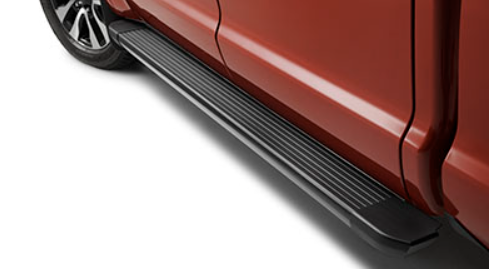
Running board installed on red pickup truck side

Running boards can make a truck or SUV easier to enter, easier to use, and more practical for everyday driving. For families, shorter passengers, work crews, and drivers who regularly load gear onto a roof rack or into the cabin, the right set of running boards can make a noticeable difference.

At Lum's Auto Center in Warrenton, OR, our team can help you shop for running boards, side steps, and other accessories that fit your Toyota, Chrysler, Dodge, Jeep, or Ram vehicle.

What Are Running Boards?

Running boards are step-style accessories mounted along the lower sides of a truck or SUV, usually below the doors. They provide a wider stepping surface that helps passengers climb in and out of taller vehicles. Depending on the design, they can also help reduce splash, road debris, and minor grime from reaching the lower doors and rocker panels.

Running boards are especially common on pickups, large SUVs, off-road vehicles, and family vehicles with higher ground clearance. They are available in different widths, finishes, materials, and styles, so choosing the right set depends on both the vehicle and how you use it.

Running Boards vs Side Steps vs Nerf Bars

Running boards, side steps, and nerf bars are sometimes used interchangeably, but they are not exactly the same. The best option depends on the look you prefer, the stepping surface you need, and the type of vehicle you drive.


Accessory TypeTypical DesignBest For
Running BoardsFlat, wide step surface mounted below the doorsFamilies, daily drivers, passengers who want a stable step
Side StepsSmaller individual steps or step pads near each doorDrivers who want access help without a full-length board
Nerf BarsTubular bars with step padsTruck and SUV owners who want a sportier or off-road-inspired look
Power Running BoardsMotorized boards that extend when doors open and retract when closedDrivers who want a cleaner look and added convenience

Why Add Running Boards to Your Truck or SUV?

Running boards are not just a cosmetic upgrade. For many drivers, they solve a real access problem, especially on taller vehicles such as Toyota Tacoma, Toyota 4Runner, Toyota Tundra, Jeep Wrangler, Jeep Grand Cherokee, Ram 1500, and larger SUVs or trucks.

Easier Entry and Exit

The most obvious benefit is easier cabin access. A lower stepping point can help passengers climb in and out more comfortably, especially children, older adults, and anyone who finds taller ride heights inconvenient. This can be especially helpful if your truck or SUV has larger tires, a lift kit, or off-road-oriented suspension.

More Practical Daily Use

Running boards can also help when loading items into the cabin, reaching a roof rack, cleaning the roof, or securing cargo. For outdoor gear, surfboards, kayaks, cargo boxes, and work equipment, having a stable side step can make the vehicle more functional.

Added Exterior Style

Some running boards are designed to blend in with the vehicle, while others create a more rugged or custom look. Black, chrome, textured, aluminum, and molded styles can all change the appearance of the vehicle. The right choice should match both the vehicle design and your intended use.

How to Choose the Right Running Boards

Fit is the most important part of shopping for running boards. A set designed for one truck cab, model year, or trim may not fit another version of the same vehicle. Before ordering, confirm the vehicle's year, make, model, body style, cab configuration, and trim details.

Confirm Vehicle Fitment First

Truck owners should pay close attention to cab size. Crew Cab, Double Cab, Quad Cab, Access Cab, and Regular Cab models may require different running board lengths and mounting hardware. SUV owners should also confirm whether the accessory is built for their exact model year and trim.

Consider Step Width and Surface Grip

A wider stepping surface can feel more stable, while a narrower bar may look cleaner or sportier. For Oregon Coast drivers, grip is especially important because rain, mud, sand, and wet shoes can make slick surfaces less comfortable. Textured pads, molded grooves, and non-slip finishes can improve confidence when stepping in and out.

Think About Material and Finish

Running boards may be made from aluminum, stainless steel, steel, composite materials, or molded plastic. Aluminum can resist corrosion well and keep weight lower. Steel may feel strong and durable but should have a quality finish to help withstand moisture. Black powder-coated finishes are popular for trucks and SUVs, while chrome or polished finishes may suit shoppers who want a brighter exterior accent.

OEM Accessories vs Aftermarket Running Boards

One of the biggest decisions is whether to choose OEM accessories or aftermarket running boards. OEM accessories are designed by or for the manufacturer to fit specific vehicles. Aftermarket options may offer more style variety or price points, but fit, finish, warranty coverage, and installation quality can vary by brand.


OptionAdvantagesWhat to Check
OEM Running BoardsDesigned for vehicle-specific fit, appearance, and compatibilityAvailability by model, trim, and accessory catalog
Aftermarket Running BoardsMore styles, finishes, and price ranges may be availableFitment accuracy, mounting hardware, warranty, and installation quality

If you drive a Toyota, you can explore available options through our Toyota accessories page. If you drive a Chrysler, Dodge, Jeep, or Ram vehicle, our Mopar accessories page is a useful place to start. You can also order parts online through Lum's Auto Center.

Should You Install Running Boards Yourself?

Some running boards are designed for bolt-on installation using existing mounting points. Others may require more involved work, especially if electrical components, sensors, lighting, or power-deploying boards are involved. Even when the installation looks simple, correct alignment and secure mounting matter.

Professional installation can help prevent loose hardware, uneven placement, rattles, clearance problems, and damage to the vehicle. It can also be the better choice if you are installing OEM accessories and want the work handled by technicians familiar with your vehicle brand.

Running Boards for Popular Trucks and SUVs

Many truck and SUV owners shop for running boards because their vehicles are built with higher ride heights. At Lum's Auto Center, shoppers often ask about accessories for Toyota, Jeep, Ram, Dodge, and Chrysler vehicles.

Toyota Trucks and SUVs

Toyota Tacoma, Toyota Tundra, Toyota 4Runner, Toyota Highlander, and Toyota Sequoia owners may consider running boards for easier access and added utility. Fitment can vary by model year, cab size, and trim, so checking the exact accessory catalog is important.

Jeep and Ram Vehicles

Jeep Wrangler, Jeep Gladiator, Jeep Grand Cherokee, Ram 1500, and Ram heavy-duty truck owners often look for steps that support daily access, off-road style, or worksite practicality. Mopar accessories are designed with brand-specific fitment in mind, which can be especially useful for shoppers who want a clean, factory-style result.

Questions to Ask Before Buying Running Boards

  • Will these running boards fit my exact year, make, model, trim, and body style?
  • Do they require drilling, wiring, or special mounting hardware?
  • What is the weight rating for each step?
  • Is the finish designed to resist corrosion and road grime?
  • Will they affect ground clearance or off-road use?
  • Are they covered by an accessory or parts warranty?
  • Can the dealership install them for me?

Frequently Asked Questions About Running Boards

Are running boards worth it?

Running boards are worth considering if your truck or SUV is difficult to enter, if you regularly carry passengers, or if you need easier access to roof-mounted cargo. They can also improve exterior appearance when matched correctly to the vehicle.

Do running boards fit every truck or SUV?

No. Running boards are vehicle-specific. Fitment depends on the year, make, model, trim, cab size, body style, and mounting points. Always confirm compatibility before ordering.

Can running boards affect ground clearance?

Yes, some running boards may reduce side clearance depending on their design and mounting position. This matters most for off-road drivers or vehicles that regularly travel over uneven terrain.

Can Lum's Auto Center help me order running boards?

Yes. Lum's Auto Center can help Toyota, Chrysler, Dodge, Jeep, and Ram drivers explore accessory options, confirm fitment, and order the right parts for their vehicle.

Shop Running Boards and Vehicle Accessories at Lum's Auto Center

Whether you want easier access, added utility, or a more finished exterior look, the right running boards can make your truck or SUV more practical. Start by reviewing Toyota accessories, Mopar accessories, or our parts order page. You can also contact Lum's Auto Center in Warrenton, OR, for help choosing running boards that fit your vehicle.

Posted in:

Related Posts

Technician inspecting vehicle engine during service

Complimentary Maintenance and Vehicle Care Benefits for Used Vehicle Buyers

Buying a used vehicle is one of the smartest financial decisions you can make, but only if you understand what comes with it after you drive off the lot. Many buyers focus almost entirely on price and overlook something just as valuable: what kind of ongoing care is included in the purchase. Whether it's complimentary maintenance, scheduled service reminders, or access to factory-trained technicians, these benefits can save you real money and real headaches over time. At Lum's Auto Center, we've been helping Oregon Coast and Southwest Washington drivers make smart ownership decisions since 1969. That experience has taught us that a great used car deal doesn't end at the sale. Why Maintenance Benefits Matter When Buying a Used Vehicle A used vehicle comes with its own history, and that history means staying on top of maintenance matters more than people often realize. Routine care like oil changes, tire rotations, and fluid checks directly affects how long a vehicle lasts and how reliably it performs. When a dealership or manufacturer offers complimentary maintenance on used vehicles, it removes some of the financial pressure that comes with early ownership. A dealership that backs its used inventory with maintenance packages believes in what it's selling. That's worth paying attention to when you're writing a significant check. Types of Vehicle Care Benefits That May Come With a Used Car Not every used vehicle purchase includes the same level of support. What's available depends on the dealership, the vehicle's certification status, and sometimes the original manufacturer's coverage. There are several common types of complimentary service worth knowing about before you sign anything. Oil Changes and Routine Fluid Services Oil changes are the most basic form of vehicle care, but they're also the most consistently important. Some dealerships include a set number of complimentary oil changes as part of a maintenance package tied to the purchase. Others may offer bundled service packages covering multiple fluid services, including transmission fluid, coolant, and brake fluid checks. If a complimentary maintenance offer includes oil changes, pay attention to how many are covered and whether they apply to synthetic or conventional oil. Knowing this upfront helps you plan your ownership costs and take full advantage of what's included. Tire Rotations and Multi-Point Inspections Tire rotations extend the life of your tires significantly, and multi-point inspections give you an early look at developing issues before they become expensive repairs. Some maintenance packages bundle these services together at no extra cost for a defined period after purchase. A multi-point inspection is particularly valuable when buying used because it gives you a baseline picture of the vehicle's condition at the time of sale. If a dealership offers this as part of their complimentary service, take them up on it every time it's available. Service Reminders and Scheduled Maintenance Alerts Staying on schedule with maintenance is easier said than done. Some dealerships include digital service reminders or scheduled maintenance alerts as part of their vehicle care benefits. You get a heads-up when your vehicle is due for an oil change, tire rotation, or other routine service, without having to track everything yourself. It's not as flashy as a free maintenance package, but it's a practical perk that helps you protect your investment over time. Factory-Backed Maintenance: When It Might Still Apply to a Used Vehicle One detail many used car buyers miss is that factory-backed maintenance plans sometimes transfer with the vehicle. If the original owner purchased a new car with a complimentary maintenance package and didn't use it up, that coverage may still be active when the vehicle changes hands. It's worth distinguishing this from certified pre-owned (CPO) coverage. A CPO program is a manufacturer-backed warranty that recertifies the vehicle and typically covers mechanical repairs for a defined period. Factory-backed maintenance covers scheduled services like oil changes and tire rotations. The two are separate, and a vehicle can have one, both, or neither. ToyotaCare is one of the best-documented examples of a factory-backed maintenance program. The table below outlines what it covers: Coverage Details What's included Maintenance No-cost factory-scheduled maintenance (the first five services at 5K, 10K, 15K, 20K, and 25K miles), covering oil and filter changes, tire rotations, fluid inspections, and multi-point inspections Maintenance duration 2 years or 25,000 miles, whichever comes first (most models). Mirai is covered for 3 years or 35,000 miles Roadside assistance 24-hour roadside assistance included for 2 years and unlimited miles (most models); 3 years and unlimited miles for select EVs such as the bZ4X. Covers jump starts, tire service, fuel delivery, lockout, towing, and winching If a used Toyota you're considering was originally sold with ToyotaCare and is still within those time and mileage limits (2 years or 25,000 miles for most models), that coverage may still be active. ToyotaCare is fully transferable to a private buyer as long as the coverage period hasn't expired. Terms vary by model and can change, so always verify directly with us before assuming coverage applies. The key is to ask. When you're looking at a used vehicle, request documentation on any existing manufacturer plans, coverage history, and remaining service eligibility. A reputable dealership will have this information ready or help you track it down. How Dealership Service Support Adds Confidence After Purchase The ongoing support of a full-service dealership matters well beyond what any maintenance package formally spells out. Buying from an established dealership versus a private seller or smaller lot has real, tangible advantages. Ongoing Access to Trained Technicians When you purchase through a dealership with an in-house service department, you're not just buying a car. You're buying access to factory-trained technicians who know the vehicles they service. Our service center at Lum's Auto Center handles routine maintenance, engine diagnostics, wheel alignments using our Hunter Alignment System, and everything in between. Having consistent access to the same trained staff who know your vehicle's history simplifies every service visit. You're not starting from scratch with a new shop every time something comes up. Warranty-Adjacent Protections and Add-On Service Plans Even when a used vehicle isn't eligible for manufacturer warranty coverage, there are often options to extend your protection. Many dealerships offer add-on service plans or maintenance packages that cover major components for a set period or mileage. These plans vary widely, so it's worth understanding exactly what's included, what's excluded, and whether the dealership honors them in-house. Some packages also include roadside assistance, towing coverage, or rental reimbursement while your vehicle is being serviced. Always read the terms carefully and ask our team to walk you through what each plan actually covers. Questions to Ask Before You Buy: Getting Clarity on What's Included Going into a used vehicle purchase prepared means knowing the right questions to ask. Raise these with our sales or service team before you commit: Ask whether any complimentary maintenance is included with the purchase, how many visits it covers, which services are included, and what the time or mileage limit is. Ask us to check the vehicle's age and mileage against the original program limits for any factory-backed maintenance. For a Toyota, for example, we can confirm whether ToyotaCare is still active based on the vehicle's VIN and service history. If the vehicle is certified pre-owned, ask what the CPO warranty covers and how that differs from any included maintenance benefits. Ask for a written breakdown of any maintenance packages that can be added on, including what each covers and what it excludes. Ask how service scheduling works, and whether a loaner or rental vehicle is available if your car needs extended shop time. For drivers in Warrenton, OR, vehicle rentals are available at our location, which is a practical option to keep in mind. Getting these answers in writing before you sign protects you from surprises down the road. Making the Most of Your Used Vehicle's Care Benefits Even the best maintenance package won't help you if you don't use it. Once you've purchased your vehicle and know what's included, schedule services as soon as they're due, keep records of every appointment, and use the dealership's reminders or alerts to stay on track. Staying current with scheduled maintenance also protects your vehicle's value. A consistent service history makes your car easier to sell or trade in later and shows it was well cared for throughout your ownership. If you purchased a vehicle with a complimentary service period, use every visit included. Getting the full value of what you paid for is simply good ownership practice. Talk to the Team at Lum's Auto Center Before You Drive Away Understanding your vehicle care benefits before you finalize a purchase is essential. As a family-owned dealership serving the Oregon Coast and Southwest Washington since 1969, we take the post-sale relationship just as seriously as the sale itself. Our team is ready to walk you through every detail of what's included with any used or certified pre-owned vehicle on our lot: available complimentary maintenance, remaining factory-backed coverage, add-on service plans, and what our in-house service center provides. Browse our current pre-owned inventory online, or reach out to us directly to connect with a team that's genuinely invested in your long-term ownership experience.

Retractable tonneau cover partially open on red pickup truck bed

Tonneau Covers for Trucks: Types, Benefits and Shopping Tips

If you own a pickup truck, you already know the bed is one of its most valuable features. But leaving it exposed means your gear is fair game for rain and prying eyes. That's where tonneau covers for trucks come in. These purpose-built covers protect your cargo, sharpen your truck's appearance, and can even help fuel efficiency. At Lum's Auto Center, we help truck owners across Clatsop County, the Oregon Coast, and Southwest Washington find the right fit for their truck and lifestyle. Contact our team anytime to get started. What Is a Tonneau Cover? A tonneau cover is a protective panel or sheet designed to cover the bed of a pickup truck. It sits flush with or just above the bed rails, creating a clean, finished look while keeping cargo protected from the elements. Truck owners gravitate toward them for a few straightforward reasons: weather protection, added security, and modest fuel savings. For many drivers, it's one of the first upgrades they make after leaving the lot. Types of Tonneau Covers for Trucks Tonneau covers fall into two broad categories: soft and hard. Within each, you'll find designs that cater to different priorities. The table below summarizes the four main types. Cover Type Material Security Level Bed Access Weather Resistance Best For Soft roll-up Marine-grade vinyl/canvas over aluminum frame Moderate Full bed Good Light-duty everyday use Soft folding Marine-grade vinyl/canvas over aluminum frame Moderate Up to ⅔ bed Good Budget-conscious buyers wanting quick access Hard folding Aluminum/poly/composite with EPDM rubber seals High Sectional Strong Tool and valuable cargo haulers Retractable Interlocking aluminum or composite slats High Multi-position Strong Frequent-use drivers wanting premium convenience Soft Roll-Up and Folding Covers Soft tonneau covers are the most accessible entry point, offering solid protection at a lower price. A soft roll-up cover rolls toward the cab when fully open, giving you complete bed access. It is ideal for hauling long lumber or oversized gear. Soft folding covers divide into two or three panels that fold forward, so you can open a portion of the bed or the whole thing. Both styles typically install without drilling and are light enough to remove if needed. Hard Folding and Retractable Covers Hard covers step up in durability and security. Built from aluminum, composite, or reinforced poly panels, they hold up against impact, weather, and tampering. Hard folding covers use rigid panels that lock into place, giving you flexible access without sacrificing security. Retractable covers feature interlocking slats that slide back on a track and can lock at any position along the bed. Both styles carry a higher upfront cost, but for drivers who regularly haul tools or valuables, the added protection is worth it. Key Benefits of Adding a Truck Bed Cover Weather protection is the most immediate benefit. A quality cover keeps rain, snow, and UV exposure from damaging what's in your bed. Along the Oregon Coast, where wet weather is a regular reality, a weather-resistant barrier is genuinely useful rather than optional. Most quality covers are highly weather-resistant but not fully waterproof, which is an important distinction for buyers in our region. Security is the second major draw. Keeping cargo covered and out of sight reduces opportunistic theft, and locking hard covers add a physical deterrent. On the efficiency side, one commonly cited figure puts highway fuel economy improvement at around 5% by reducing aerodynamic drag from an open bed, though real-world results vary by truck and driving conditions. A well-maintained bed with a quality cover also tends to support better resale value when it's time to sell. How to Choose the Right Tonneau Cover for Your Needs Think of this as advice from someone who has helped hundreds of local truck owners find the right fit, not a generic checklist. Start with how you use your truck: If you load and unload multiple times a day, you want fast, full access. A soft roll-up or retractable cover handles that well. If your cargo sits for days at a time, a hard folding cover with a lock is a smarter call. Consider what you're protecting: Camping gear and weekend supplies do fine under a soft cover. Electronics, tools, or anything else you'd hate to lose overnight warrant the locking security of a hard folding or retractable system. Think through fitment before buying: Covers are built to specific bed dimensions, so confirm your bed length and cross-reference it with your truck's make, model, cab configuration (crew cab, extended cab, or standard cab), and bed liner type. Spray-in liners, drop-in liners, bed rail caps, and existing accessories like toolboxes can all affect which covers install cleanly. If you're browsing our new truck inventory and want to plan accessories ahead of purchase, our team can walk you through fitment options for Toyota, Ram, Chrysler, Dodge, and Jeep platforms before you finalize your build. Soft vs. Hard Tonneau Covers: Which Is the Better Fit? Rather than a straight pros-and-cons list, answer these three questions: What's your budget? Soft covers cost less and install easily at home with clamp-on hardware. If budget is the primary concern and your cargo is lower-value, a soft roll-up or soft folding cover covers the basics well. How important is locking security? If you regularly leave tools, electronics, or gear in your bed overnight, the answer should point you directly toward a hard folding or retractable cover. Soft materials can be cut; hard panels and EPDM-sealed frames cannot. How often do you need access? Daily, varied loading favors a retractable cover for its speed and multi-position locking. Less frequent access makes a hard folding cover a practical and cost-effective choice. If you answered "tight budget, lower-value cargo, and occasional access," a soft cover is your fit. If two or more answers lean toward security, durability, or frequent use, invest in a hard cover. Find the Right Tonneau Cover at Lum's Auto Center We make it straightforward. Our parts and accessories team helps truck owners across Warrenton, Clatsop County, and the Oregon Coast find covers that fit their specific bed, work with their existing accessories, and hold up to regional driving conditions. We support Toyota, Ram, Chrysler, Dodge, and Jeep platforms, so whether you're driving a Tacoma, a Ram 1500, or a Jeep Gladiator, we can confirm fitment and get you the right cover. No sorting through pages of generic listings hoping something fits. You get accurate fitment guidance from people who know these trucks. Reach out to the Lum's Auto Center team at 503-861-1144, stop by one of our locations, or contact us online to find the right pickup truck bed cover for your setup.

A mechanic checking an exhaust for repair

Where Can I Get Muffler and Exhaust Repair Services in Warrenton, OR

Muffler and Exhaust Repair Services in Warrenton, Oregon If you reside in Warrenton, Oregon, and require quality muffler and exhaust repair services, your search ends here. This informative blog post from Lum's Auto Center dealership will delve into the many advantages of these services. It will also shed light on the unmistakable indicators that signal the necessity of a replacement. If you need a muffler and exhaust repair in the area, visit our dealership. Our trained mechanics will diagnose and fix the problem. We offer convenient online scheduling, so book your appointment today! Continue reading this article to learn more about the importance of these services. more View Our Inventory Contact Us 3 Signs that Indicate You Need Muffler and Exhaust Repair Identifying the signs that your muffler and exhaust system require attention is crucial. Keep an eye out for the following warning signs: Excessive Noise: If you detect uncommon sounds coming from your vehicle's exhaust system, like loud rumbling or hissing, it may suggest a problem. These noises are often caused by leaks, cracks, or a muffler that is no longer functioning correctly. Abnormal Exhaust Smoke: Pay attention to any visible changes in your exhaust smoke, especially if it appears thicker, darker, or emits an unusual odor. This could indicate potential issues with your muffler or exhaust system. Reduced Fuel Efficiency: A sudden decrease in your vehicle's fuel efficiency could indicate an exhaust system problem. A faulty system can disrupt the proper air-fuel mixture, increasing fuel consumption. Essential Uses of Muffler and Exhaust Repair Services Noise reduction Emissions control Proper function engine Better fuel efficiency Improved safety Compliance with vehicle emission regulations Engine longevity. Smoother and comfortable driving Help detect other potential issues with the vehicle Less pollution Schedule Service at Lum's Auto Center in Warrenton, Oregon Contact Lum's Auto Center dealership and book a muffler and exhaust repair service appointment. We offer various vehicle services, from oil changes to brake repairs and engine tune-ups. We can also help you with electrical repairs, suspension work, and transmission maintenance. Call us at 971-346-4545 to learn more about our services or to talk with a mechanic.