Blog / Toyota bZ4X

Is the Electrifying Technology in the 2023 Toyota bZ4X Satisfactory?

Intuitive Technology of the 2023 Toyota bZ4X  

In the futuristic electric vehicles segment, Toyota leaps into the ever-changing EV game with the inspiring introduction of their all-new electric bZ4X, marking the beginning of Toyota electrification. Beyond Zero stands for the ‘bZ’ in the name and is one of the seven future BEV Toyota vehicles to arrive by 2025. The bZ4X compact crossover is an impressive vehicle with available AWD, packed with the most advanced technology. Let’s dig in deep to unearth why the intuitive tech features offered in the 2023 Toyota bZ4X are satisfying.   

Technology Features of the 2023 bZ4X  

Nothing less than extraordinary should be served for technology if you are building the BEV of the future. Offering advanced and updated technology in the form of the upgraded infotainment system and Toyota Safety Sense™ shows a lot about how futuristic they are. The digital key lets you lock/unlock and start the new electric bZ4X from your smartphone, which can be shared with family or friends. Toyota Drive Connect features cloud-based maps and navigation with real-time parking and traffic information. Its high-output chargers can juice the Toyota bZ4X to 80% capacity within one hour. 

Infotainment System and Other Technology  

Besides offering many firsts to the table in the Toyota BEV lineup, the bZ4X brings the first X-MODE® for driving, the first front seat foot and leg heaters, and the first-time dial shifter and top-mounted instrument cluster usage in Toyota. Some of the cool and signature tech in the bZ4X include:  

  • Panoramic moonroof 
  • Qi wireless charging 
  • Five USB ports 
  • 12.3-in Toyota Audio Multimedia touchscreen 
  • Top-Mount Multi-Information Display 
  • Available nine-speaker JBL® * Premium Audio system 
  • Standard wireless Apple CarPlay® / Android Auto™ 
  • Toyota Safety Sense™ 3.0 (TSS 3.0) 

Get New Toyota Vehicles in Warrenton, OR   

Visit Lum’s Auto Center for offers on the latest Toyota, Chrysler, Jeep, Dodge, and Ram vehicles. Also, schedule a test drive with us today! 

Posted in:

Recommended Posts

Assorted automotive parts and spark plugs for vehicle repair

OEM Parts vs Aftermarket Parts: Toyota and Mopar Parts Explained

A cracked bumper. A worn brake pad. A headlight that's finally given out. Whatever the repair, the same fork in the road shows up: go with the original part or try aftermarket instead. For drivers in Warrenton, Astoria, Seaside, and other Oregon Coast towns, that choice affects fit, warranty coverage, and how the vehicle performs down the road. This guide breaks down what separates OEM parts from aftermarket alternatives, so you can make a confident call the next time your Toyota, Jeep, Ram, or Dodge needs a repair. You can also order parts online or connect with our service department if you'd rather skip ahead. OEM vs. Aftermarket Parts: What Warrenton, OR Drivers Should Know OEM stands for original equipment manufacturer, meaning the part comes from the same company that built your vehicle. Aftermarket parts, by contrast, are made by outside companies that never touched your car on the assembly line. Both categories serve real purposes, and neither one is automatically the right answer for every repair. The decision often comes down to what part you're replacing, whether your vehicle is still under warranty, and how long you plan to keep the car. What Are OEM Parts and Why Fitment Matters OEM parts are built to the exact specs of the vehicle they're designed for, which matters more than most people realize until something doesn't line up right. A bumper that's off by a few millimeters, or a filter that seals slightly wrong, can cause bigger headaches later, from uneven wear on neighboring components to reduced efficiency. Because these parts are made to match the original engineering, they tend to install cleanly and perform the way the vehicle was designed to perform. OEM parts also typically come with a manufacturer warranty, giving owners a layer of protection that aftermarket options don't always match. How OEM Parts Are Engineered to Match Your Vehicle's Specs Every OEM part goes through a manufacturing process built around the original vehicle's blueprints, matching the same materials, dimensions, and performance thresholds as the factory version. Manufacturers test these parts to confirm they hold up under the same conditions the vehicle was designed to handle, which helps preserve the car's overall integrity over time. A part built to the same tolerances as the original is simply more likely to behave the way the rest of the vehicle expects it to. Toyota Genuine Parts and Mopar Genuine Parts Explained Toyota Genuine Parts are engineered to Toyota's own standards for quality, performance, and durability, covering brake pads, filters, wiper blades, and specialized components alike. Toyota builds these parts to hold up to its own internal standards for durability and performance, which is why so many owners specifically look for genuine Toyota parts when a repair comes up rather than settling for a generic substitute. Mopar plays the same role for CDJR vehicles. As the OEM provider for Chrysler, Jeep, Dodge, Ram, and FIAT, Mopar parts are designed by the same engineering teams responsible for the vehicles themselves. Mopar's lineup covers brake components, filters, spark plugs, and factory accessories, all built for a fit that matches the vehicle's original specs. What Are Aftermarket Parts and How They Differ An aftermarket part is simply one made by a company other than the original manufacturer. That's a broad category, covering everything from well-engineered replacement parts to budget options that cut corners somewhere along the way. Aftermarket parts are often designed to mimic OEM parts in form and function, but they may not always match the exact measurements of the original component, and that gap in consistency is what drivers need to understand before buying. Variety in Quality, Purpose, and Budget Across Brands Walk into any parts store and you'll find a wide range of aftermarket brands at different price points and quality tiers. Some aftermarket manufacturers specialize in performance upgrades, others focus on affordable replacements for high-turnover items like wiper blades or cabin filters. This range gives drivers flexibility, but it also means research matters. Not every aftermarket brand holds itself to the same standard, so knowing what you're buying is part of the process. Potential Benefits and Trade-Offs of Aftermarket Options Aftermarket parts can come with real advantages, including a wider selection and sometimes a lower upfront cost compared to going through the dealership. Some aftermarket manufacturers even offer performance-oriented parts that aren't available as OEM equipment at all. The trade-off is that quality and warranty coverage vary from one aftermarket brand to the next, and a part that doesn't fit quite right can end up costing more in the long run if it needs to be replaced again sooner than expected. Comparing OEM and Aftermarket: Quality, Warranty, and Long-Term Value Every repair decision comes down to balancing fit, protection, and how long you expect the part to perform. Below is a side-by-side comparison of how OEM and aftermarket parts generally stack up. Factor OEM Parts Aftermarket Parts Fit/Tolerance Matches original vehicle specs precisely Designed to be similar, but measurements can vary Materials/Certification Built to manufacturer standards Varies by brand, some carry CAPA certification Warranty Coverage Toyota: 12 months parts-only over the counter, or 12 months parts and labor when dealer-installed. Mopar: 24 months/unlimited miles, parts and labor when dealer-installed. Performance Parts differ by part number Varies widely by manufacturer, often limited or none Typical Use Case Safety systems, warranty-covered repairs, precise-fit components Cosmetic parts, routine maintenance items Installation Considerations Straightforward fit reduces installation issues May require adjustment depending on brand quality Fit, Performance, and Compatibility Fit is where the OEM versus aftermarket conversation gets the most practical. Because OEM parts are built to match the original vehicle, they generally install without surprises. Aftermarket parts can perform just as well in many cases, but compatibility isn't a given across every brand, which is why checking specifications before buying matters, especially for parts tied to safety systems. Toyota and Mopar Warranty Terms Warranty terms differ significantly by brand and part type, and it's worth understanding each on its own rather than assuming one beats the other. Toyota Genuine Parts bought over the counter carry a 12-month parts-only warranty from the purchase date, with labor not covered. Buy the same part and have a Toyota dealer install it, and the 12-month coverage includes both parts and labor. Toyota's Accessory Warranty runs 36 months or 36,000 miles when the accessory is purchased alongside a new vehicle, or 12 months if purchased afterward. Mopar's Basic Limited Warranty covers most parts for 24 months with unlimited miles: parts and labor when an authorized dealership installs them, parts exchange only if you buy over the counter and install them yourself. Buy the part and have an independent shop install it and you keep the 24-month parts coverage plus up to $150 toward labor. Remanufactured and new powertrain components carry a separate 3-year/100,000-mile warranty that transfers to a subsequent owner, which is unusual since most parts warranties end when the vehicle changes hands. Performance Parts vary by prefix: 770 parts get the standard 24 months, PW parts run 12 months or 12,000 miles, and parts beginning with P or 0 are sold as-is with no coverage at all. Aftermarket warranty terms are set entirely by the manufacturer. Some brands back their products generously; others offer barely anything. Normal wear and tear, cosmetic issues, and improper installation aren't covered regardless of which type of part you use. Your Rights Under the Magnuson-Moss Warranty Act The Magnuson-Moss Warranty Act, enforced by the FTC, prevents manufacturers from voiding your vehicle's warranty just because you used an aftermarket part. The manufacturer would have to prove that specific part actually caused the problem. The Act also protects your right to have routine maintenance, like oil changes, brake pads, and belts, done at any shop you choose. In other words, choosing an aftermarket part on a vehicle still under warranty is your call, not a rule violation. Just keep your receipts and service records in case a claim comes up later. Long-Term Ownership and Resale Value Precise fit and factory-backed reliability tend to matter more the longer you plan to keep a vehicle. OEM parts help preserve the mechanical consistency a car was built with, which can matter to future buyers or appraisers down the road. Reputable aftermarket brands can hold up well too, but quality swings more across that space, and outcomes are less predictable than with OEM components. Choosing the Right Parts for Your Vehicle and Budget The right choice depends on what you're replacing and what you're trying to protect, whether that's your budget, your warranty, or your peace of mind on long drives along the Oregon Coast. When Genuine OEM Parts Make the Most Sense Safety-related components, warranty-covered repairs, and parts requiring precise fitment are where OEM parts earn their reputation. Brakes, airbags, and sensors are worth paying for the confidence that comes with a part engineered to match the vehicle exactly. When Aftermarket Parts May Be a Reasonable Choice Cosmetic components and routine maintenance items are often reasonable candidates for aftermarket parts, especially when budget is a bigger concern than exact factory specs. Before buying aftermarket, it helps to run through a short checklist. Is this part covered by my vehicle's warranty right now. Is this a safety-related component like brakes, steering, or airbags. Does it carry CAPA certification for fit and performance. Will installation require special tools or dealership-level expertise. CAPA, the Certified Automotive Parts Association, has independently tested aftermarket collision parts like bumpers, fenders, and headlights since 1987, checking them against OEM standards for fit and function. CAPA sets benchmarks for the metals, plastics, lighting components, foam, and bumpers used in these parts, giving shoppers a way to gauge aftermarket quality beyond guesswork. How Lum's Auto Center Helps You Get the Right Parts Lum's Auto Center is a family-owned dealership group serving the Oregon Coast, including drivers in Astoria, Seaside, Ocean Park, and Tillamook. Our Warrenton service department works directly with Toyota, Chrysler, Dodge, Jeep, and Ram, along with many other makes. Whether you need a specific Toyota component or a Mopar part, our team is set up to help you find the right fit the first time. Requesting Toyota, Mopar, and Other Compatible Parts You can request parts online or stop by our location at 1605 SE Ensign Lane in Warrenton, OR. Fill out a short form and one of our parts specialists will reach out to confirm details and availability. You can browse Toyota and Mopar parts options online, and one of our team members can help if you're not sure exactly what you need. If your vehicle isn't a Toyota or a CDJR model, or if an OEM part is on backorder, our specialists can help you find a compatible alternative that fits your repair and your budget. Scheduling Service for Professional Installation Ordering the right part is only half the job. Proper installation matters just as much for safety and long-term performance. Our service center handles routine maintenance, inspections, and full repairs for Toyota, Chrysler, Dodge, Jeep, Ram, and other makes. Book an appointment online, or give our parts specialists a call directly at 503-861-1144 to talk through what your vehicle needs before you commit to a part.


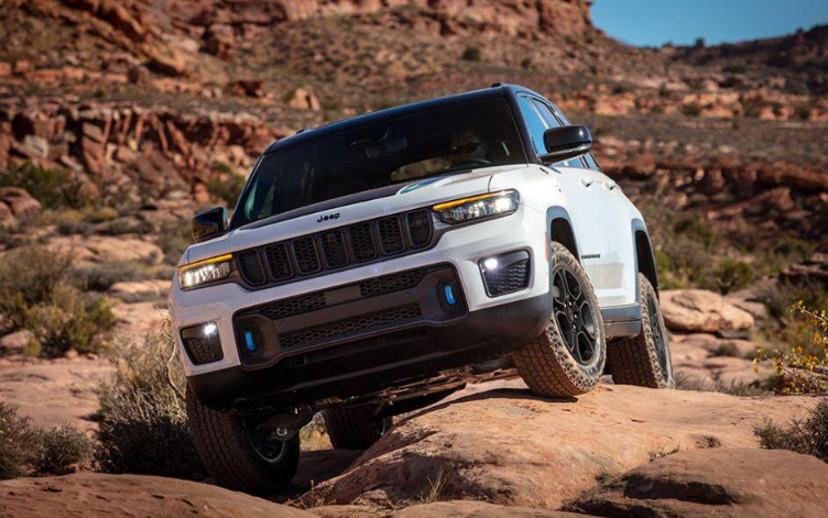
Jeep Grand Cherokee driving off-road over rocky desert trail

AWD vs 4WD for Oregon Coast Rain: Which Setup Do You Need?

Astoria averages 70.26 inches of rain a year, with November (11.05 inches) and December (10.68 inches) delivering the heaviest downpours while July stays dry at just 0.83 inches. Rain around here is the main event, not something happening in the background. If you're shopping for a vehicle to handle Highway 101 fog, wet gravel pullouts, or a boat ramp in Ocean Park, the AWD vs 4WD Oregon Coast question deserves a real answer. We put together this guide to help you sort through it, and if you want to see your options in person, you can always browse used AWD and 4WD vehicles at our Warrenton location. Why Oregon Coast Driving Demands the Right Drivetrain Between the near-constant drizzle, coastal fog rolling off the water, and the gravel spur roads connecting neighborhoods to the highway, this region asks more of a vehicle than most. For most daily driving, all-wheel drive makes a real difference in how confidently a car handles wet pavement. The right answer depends on where you actually drive, not where you might drive someday. AWD vs 4WD: How Each System Works AWD and 4WD both send power to all four wheels, but the mechanics and the driving experience differ enough that picking the wrong one for your lifestyle can mean paying for capability you'll never use, or not having the traction you actually need. All-Wheel Drive: Automatic Everyday Traction AWD uses a combination of front, rear, and center differentials to automatically send power to whichever wheels have the most grip, without any input from the driver. That convenience comes with some added weight and cost, along with a modest fuel economy impact. For Highway 101 commuters dealing with sudden rain squalls, that automatic response is what makes AWD reassuring. You don't have to think about it. It just adjusts. Four-Wheel Drive: Driver-Engaged, Heavy-Duty Traction 4WD takes a different approach, pairing two differentials with a transfer case, often including a driver-selectable high and low range. That extra hardware makes 4WD sturdier and better suited for rugged terrain, but it also means you're the one flipping a switch or lever to engage it. The advantages of 4-wheel drive really show up when you're crawling over rutted forest roads or need low-range gearing to pull through deep mud, not during a routine grocery run. Daily Rain Confidence in Warrenton, Astoria, and Seaside For the everyday stop-and-go of life in Warrenton, Astoria, and Seaside, AWD covers nearly every scenario you'll face. It works automatically in rain, sleet, or snow without requiring the driver to do anything special, essentially running in the background the whole time. If you're wondering whether you need AWD for a daily commute through coastal fog and wet intersections, the answer leans yes far more often than it leans toward 4WD. AWD helps maintain traction, but it won't eliminate the risks of wet or foggy driving. Slowing down, leaving extra following distance, and paying attention to reduced visibility on Highway 101 still matter, regardless of what's under the hood. Gravel Roads, Hills, and Light Trail Access Plenty of coastal side roads turn to loose gravel once you leave the highway. The gravel spurs and beach access roads around Warrenton and Fort Stevens State Park are a good example of the mixed surfaces you hit close to town. AWD handles moderate, well-maintained gravel surfaces like these without much trouble. For light trails and graded gravel, AWD works fine. For rougher routes with ruts, mud, or steep loose climbs, 4WD's low-range gearing gives you more margin, provided you're on a road or trail that's actually open to your vehicle. Beaches, dunes, and forest trails all have their own rules about what's allowed and when. If you're heading into Clatsop or Tillamook State Forest, keep in mind that most trails and dispersed sites stay open year-round, while developed campgrounds generally operate from mid-May through early October. Fire danger changes access: at High danger, OHV use is allowed only before 1 p.m. and after 8 p.m., and at Extreme danger, off-road vehicle use is restricted or prohibited. Forest roads are working roads shared with log trucks, and ODF recommends driving under 25 mph and staying right. Check ODF's road report and fire restrictions map before heading out rather than assuming a route is open. Towing, Hauling, and Truck Considerations 4WD earns its reputation when the load gets heavy. It often provides better towing and traction capability, though it costs more at the pump. If you're backing a boat trailer down a wet launch ramp in Ocean Park or Tillamook, that extra traction matters. Both AWD and 4WD can help pull boats up slippery wet ramps, a scenario a lot of coastal drivers deal with regularly. For heavier loads and slick ramps, 4WD is the safer bet. Matching Drivetrain to Your Lifestyle For daily driving, commuting, and light gravel, AWD usually gets the job done for most Oregon Coast households. Whether 4WD is worth it depends on how often you're towing, hauling, or heading onto rougher terrain. Common AWD and 4WD vehicles tend to stack up like this: Vehicle Drivetrain Typical Body Style General Fuel Economy Pattern Subaru Crosstrek AWD standard Crossover Better fuel economy pattern Honda Passport AWD Crossover SUV Better fuel economy pattern Hyundai Santa Cruz AWD available Crossover truck Better fuel economy pattern Ford F-150 4WD available Full-size truck Lower fuel economy pattern Toyota 4Runner 4WD available Body-on-frame SUV Lower fuel economy pattern Jeep Grand Cherokee 4WD available Unibody SUV Lower fuel economy pattern If you're mostly on paved Highway 101 with occasional rain, AWD covers you well. If you're taking occasional trips down gravel forest roads for hiking or fishing, AWD still handles most of that, with 4WD as a nice-to-have. If you're regularly towing a boat to a wet launch ramp or driving unmaintained backroads, 4WD starts to earn its keep. Want to compare options side by side? You can explore new AWD and 4WD models to see which lineup fits your routine. Family Driving and Fuel Economy Trade-Offs AWD often delivers better fuel economy than 4WD, which matters for families budgeting for gas over years of ownership. EPA-based estimates put the AWD penalty at roughly 1 to 2 mpg compared with a two-wheel-drive version of the same vehicle, and the gap can reach about 3 mpg on heavier 4WD trucks. For a family doing mostly school runs and grocery trips, that adds up over a year of driving. The drivetrain option itself also costs more upfront, typically a few hundred to a couple thousand dollars on a crossover and more on a full-size truck, so it's worth pricing the exact configurations you're comparing. SUVs vs Trucks: Which Drivetrain Fits Best Whether you need AWD or 4WD depends heavily on body style and use case. AWD tends to show up on cars and crossovers like the Subaru Crosstrek, Honda Passport, and Hyundai Santa Cruz, all of which prioritize ride comfort and efficiency. 4WD is more common on body-on-frame trucks and SUVs such as the Ford F-150 and Toyota 4Runner, with the unibody Jeep Grand Cherokee as a notable exception that still offers genuine 4WD capability. It comes down to whether daily comfort or off-pavement capability matters more to you. Beyond Drivetrain: Tires, Ground Clearance, and Owner's Manual Guidance Drivetrain is only part of the traction equation. Tire condition matters just as much, and so does ground clearance, the distance between the lowest point of your vehicle and the road. A crossover with six or seven inches of clearance handles a graded gravel road fine but can drag on deep ruts or a washed-out edge, which is where a truck or body-on-frame SUV with more clearance has the advantage. On steep, wet grades, both drivetrains help you climb, but getting back down safely comes down to brakes, tires, and speed rather than which wheels are driven. ODOT rules state that AWD and 4WD vehicles under 6,500 pounds unloaded, not towing, equipped with M+S, all-weather, or traction tires on all wheels, and still carrying chains in the vehicle, are generally exempt from having to use those chains in winter conditions. Vehicles rated 10,000 pounds GVW or less that aren't towing may use traction tires instead of chains in typical winter conditions, though in very bad conditions all vehicles may be required to chain up regardless of drivetrain or tires. Keeping tires in good shape, and scheduling regular maintenance checks, does as much for wet-weather traction as the drivetrain itself. Your owner's manual is the best source for how your specific system works: when it engages, whether it has a low range, which drive modes are available, and any towing or tire limits the manufacturer sets. Two vehicles both labeled AWD can behave quite differently, so it's worth reading that section before you rely on it in bad weather. Find Your Ideal AWD or 4WD Vehicle at Lum's Auto Center We've been a family-owned part of the Oregon and Southwest Washington community since 1969, serving drivers throughout Warrenton, Astoria, Seaside, Long Beach, and Tillamook. We've watched generations of coastal drivers deal with exactly these conditions, and there's no single right answer for everyone. Talk to Our Team Some households need the everyday reassurance of AWD. Others need the towing muscle and low-range gearing of 4WD. Our team can walk you through the differences in person and help you land on the setup that actually fits your routine. Stop by, give us a call at 503-861-1144, or browse used AWD and 4WD vehicles online before you visit. Frequently Asked Questions Is AWD necessary for Oregon Coast driving? For most daily driving on Highway 101 and around town, AWD provides meaningful traction benefits in rain and fog. Not every driver needs it, but it does help maintain control in the kind of wet conditions that are routine here. Do I need 4WD if I don't tow or go off-road often? If your driving stays mostly on pavement and light gravel, 4WD is more capability than you'll typically use. It becomes worthwhile once towing, hauling, or genuine backcountry driving enters the picture. Which is better, AWD or 4WD, for winter weather? AWD tends to work better for everyday winter driving because it engages automatically and doesn't require driver input. 4WD offers more raw capability but is generally better suited to rougher terrain than routine wet-weather commuting.

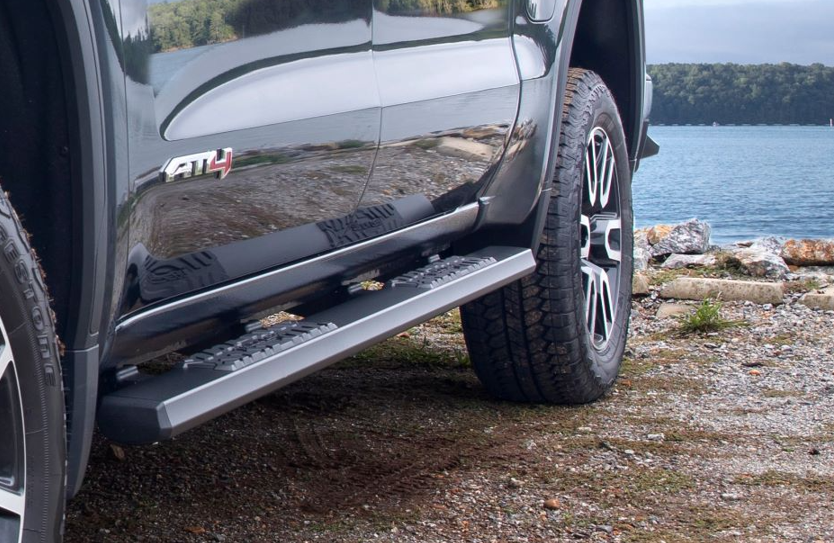
GMC truck side step running board near lakeside

What Are Running Boards on a Truck or SUV? Uses, Benefits and Fitment Tips

Climbing into a lifted truck or tall SUV isn't always graceful, especially with kids in tow or gear to load before sunrise. The right running board can make that step a lot easier. This guide covers what running boards are, how they compare to nerf bars and other step options, and what to check before buying. Feel free to explore running board options we carry at Lum's Auto Center. What Are Running Boards on a Truck or SUV? A running board is a flat platform mounted along the lower sides of the vehicle, just below the doors, giving passengers a wider, stable surface to step on when getting in or out. They're common on pickups, large SUVs, off-road builds, and family vehicles where ride height turns the door sill into a real stretch. Running boards shorten the step up on most trucks and SUVs, and depending on the design, they can also shield lower doors and rocker panels from splash and road debris on gravel roads or muddy trails. How Running Boards Are Built and Mounted Manufacturers build running boards from aluminum, steel, or heavy-duty molded plastic, and each material comes with its own tradeoffs. Aluminum is corrosion resistant and lighter, which is why it shows up so often on SUV applications. Steel is heavier and stronger but needs a quality protective finish to hold up over time. Plastic tends to be the budget option and works fine for lighter-duty use. Mounting usually relies on brackets that bolt into the vehicle's existing factory mounting points along the rocker panel or pinch weld, so most fixed boards go on without drilling. Installation time varies by vehicle and kit, often an hour or two for a straightforward bolt-on set. Powered boards take longer: AMP Research puts a typical PowerStep installation at three to five hours, since the boards wire into the door sensors, though plug-and-play kits that connect through the OBD-II port simplify that work. Why Shoppers Add Running Boards to Trucks and SUVs Running boards solve real, everyday problems that go well beyond looks. We hear from customers across the board on this one, parents buckling kids into car seats, contractors loading up before sunrise, and plenty of people in between who just got tired of hauling themselves up into the cab. Easier Access for Lifted Trucks and Tall SUVs Lifted trucks and tall SUVs look great, but that extra ground clearance makes climbing in tougher for shorter passengers. We've talked with plenty of customers whose kids need a wider stepping surface just to reach the cab comfortably. A running board turns a stretch and a scramble into a simple step up. Passenger Convenience and Family-Friendly Use Compared to a narrow nerf bar, a running board's wider platform gives a steadier place to plant a foot, which matters for children and elderly passengers who need a more forgiving margin for error. Families running carpools or weekend trips often find this one of the more practical upgrades they make to a vehicle. Better Footing in Wet Weather Along the Oregon Coast Drive around Warrenton, OR, Astoria, Seaside, Ocean Park, or Tillamook long enough, and you already know the ground rarely stays dry or clean for long. Running boards Warrenton OR drivers rely on typically feature textured pads, molded grooves, or grip-focused finishes designed to improve traction when the ground and your boots are both wet. No step surface is slip-proof, so it's still worth taking your time on a wet or icy morning. That texture matters more than people expect once you're stepping down onto a rain-slicked board in the dark. Everyday Use for Work Trucks Work truck owners tend to care less about flash and more about dependability. If you're loading tools at 5 AM before a job site, you want a step that's low maintenance and just works every time. Many work truck buyers lean toward a clean, understated look, favoring fixed running boards over powered options that add more things that could eventually need service. Running Boards vs. Nerf Bars: What's the Difference? The nerf bars vs running boards question comes up a lot, and it really comes down to shape, coverage, and purpose. Nerf bars are tubular, often 3, 4, or 5 inches in diameter, usually made of metal with a rubber or textured pad, and they run either cab length or wheel to wheel. Built with a more rugged look, they provide more side impact protection, which appeals to off-road minded owners. Running boards take a flat, platform style approach instead, typically 4 to 7 inches wide, with some stretching up to 10 inches. They sit tucked close to the body for a cleaner, more finished appearance and offer a wider continuous stepping surface, better suited to frequent passenger access. Feature Running Boards Nerf Bars Coverage Continuous flat platform Tubular bar, cab length or wheel to wheel Style Sleek, close to body Rugged, more exposed Best Use Case Frequent passenger access, families Off road protection, side impact Material/Mounting Type Aluminum, steel, or molded plastic; bolt-on brackets Steel tube with rubber/textured pad; bolt-on brackets Neither option wins outright. It comes down to whether you're prioritizing a wide, family friendly step or a rugged bar that doubles as side protection. Other Side-Step Options: Drop Steps, Power Running Boards, Hitch Steps, and Rock Sliders Traditional running boards aren't the only way to make truck side steps easier to use. A few alternatives solve specific problems that flat boards don't always address. Drop Steps Drop steps essentially add a second level to a running board setup. The main bar sits close to the body for style, while a lower step extends down for easier entry on lifted trucks. You gain easier access, but you trade off a bit of ground clearance and stepping area compared to a single wide board. Electric Power Running Boards Power running boards deploy automatically when you open the door and retract when you close it, keeping the vehicle's profile clean and preserving ground clearance off-road. AMP Research's PowerStep shows what the category offers: 600 lbs of support per side, roughly 10 to 12 inches of extension in about a second, anti-pinch technology that re-lowers the board if it meets resistance, weatherproof motors tested to -40°F, and LED courtesy lights. The PowerStep XL steps down about 3 inches lower for lifted rigs. Kits come matched to your specific make, model, and year. Ratings vary by product, and some listings rate one board while others rate the full system. Read the fine print before assuming a number applies to your setup. Hitch-Mounted Steps Hitch-mounted steps attach directly to your trailer hitch and give you a step up to the truck bed, cargo, or a roof rack, while also helping protect your rear bumper from scuffs. They fit standard 1¼ inch, 2 inch, and 2½ inch receivers, usually come with treaded pads for grip, and some models even include an integrated third brake light. They're a solid option if you need occasional bed access without adding permanent side steps. Rock Sliders Rock sliders are the heavy-duty side steps for trucks that off-road enthusiasts lean on. Structural by design, they mount to the frame or body and are typically built from steel or aluminum to protect the rocker panels during rock crawling or trail driving. They double as a step and, in some cases, as a jack or recovery point, though specific protection capability varies by product. Check the specs on the exact model you're considering rather than assuming one rating applies across the board. Appearance and Style Considerations Style matters almost as much as function for a lot of buyers. A wider board tends to feel more stable underfoot and gives off a sturdier look, while a narrower bar often reads as cleaner and sportier. Finish options include chrome, stainless steel, black powder coat, and paintable surfaces that can be matched to your vehicle's color. There's no single correct answer here since so much of it comes down to what look you're going for and how you use the truck day to day. Fitment Basics: What to Check Before You Buy Before you buy, it helps to know that running boards being universal is mostly a myth. Fit varies by vehicle, and getting it right matters for both function and appearance. Matching Boards to Your Vehicle's Make, Model, and Trim Running boards are generally engineered around a specific make, model, year, and sometimes trim level. A universal kit might technically bolt on, but it risks misalignment, uneven gaps, or premature wear, especially with power deploying boards that rely on precise sensor placement. Checking compatibility against your exact vehicle before ordering saves headaches later. Mounting Points, Load Rating, and Installation Notes Confirm whether the board uses your vehicle's factory mounting points, and pay attention to whether a load rating applies to a single board or the whole system, since that distinction affects how you should think about weight capacity. If you're adding a power running board with wiring and sensors, plan for a more involved installation than a simple bolt-on kit. If you're not sure which combination of features, materials, and mounting hardware fits your truck or SUV, our team can walk through the options with you and connect you to Lum's accessories suited to your vehicle. Get Help Choosing Running Boards at Lum's Auto Center OEM vs. Aftermarket and Brand Availability If you're still weighing side steps vs running boards, or wondering who installs running boards on trucks in your area, our service team at Lum's Auto Center can help you sort through the options for your specific make and model. We carry accessories for Toyota, Chrysler, Dodge, Jeep, and Ram vehicles, including Mopar parts, and can walk you through the tradeoffs between OEM and aftermarket choices so you know exactly what you're getting. Ready to Move Forward? Whether you're searching for running boards installed near me or just want to confirm fitment before you buy, reach out to our team or stop by our Warrenton location. You can also browse Lum's running boards online or contact us directly to schedule a consultation before making a purchase, especially if you want to avoid fitment surprises down the road. Frequently Asked Questions About Running Boards Do running boards fit all trucks and SUVs? No. Most are engineered for a specific make, model, year, and sometimes trim, and they mount to factory points that differ between vehicles. Even within one model line, a crew cab and an extended cab need different lengths. Always confirm fitment against your exact vehicle before ordering. Can I install running boards myself? Fixed bolt-on boards are within reach for most people with basic tools, often taking an hour or two when the vehicle has factory mounting points. Powered boards are a bigger job. AMP Research puts a typical PowerStep install at three to five hours because the boards wire into the door sensors. How much weight can running boards hold? It depends on the product. AMP Research rates its PowerStep and PowerStep XL at 600 lbs per side. Many fixed boards and nerf bars are rated lower, and some listings don't publish a rating at all. Check whether the number applies to one board or the full system. Do running boards hurt ground clearance or off-road ability? Fixed boards and drop steps sit below the rocker panel, so they reduce clearance and can catch on obstacles. Power running boards retract above the frame rails when the doors close, and rock sliders are built to take contact with rocks and terrain.