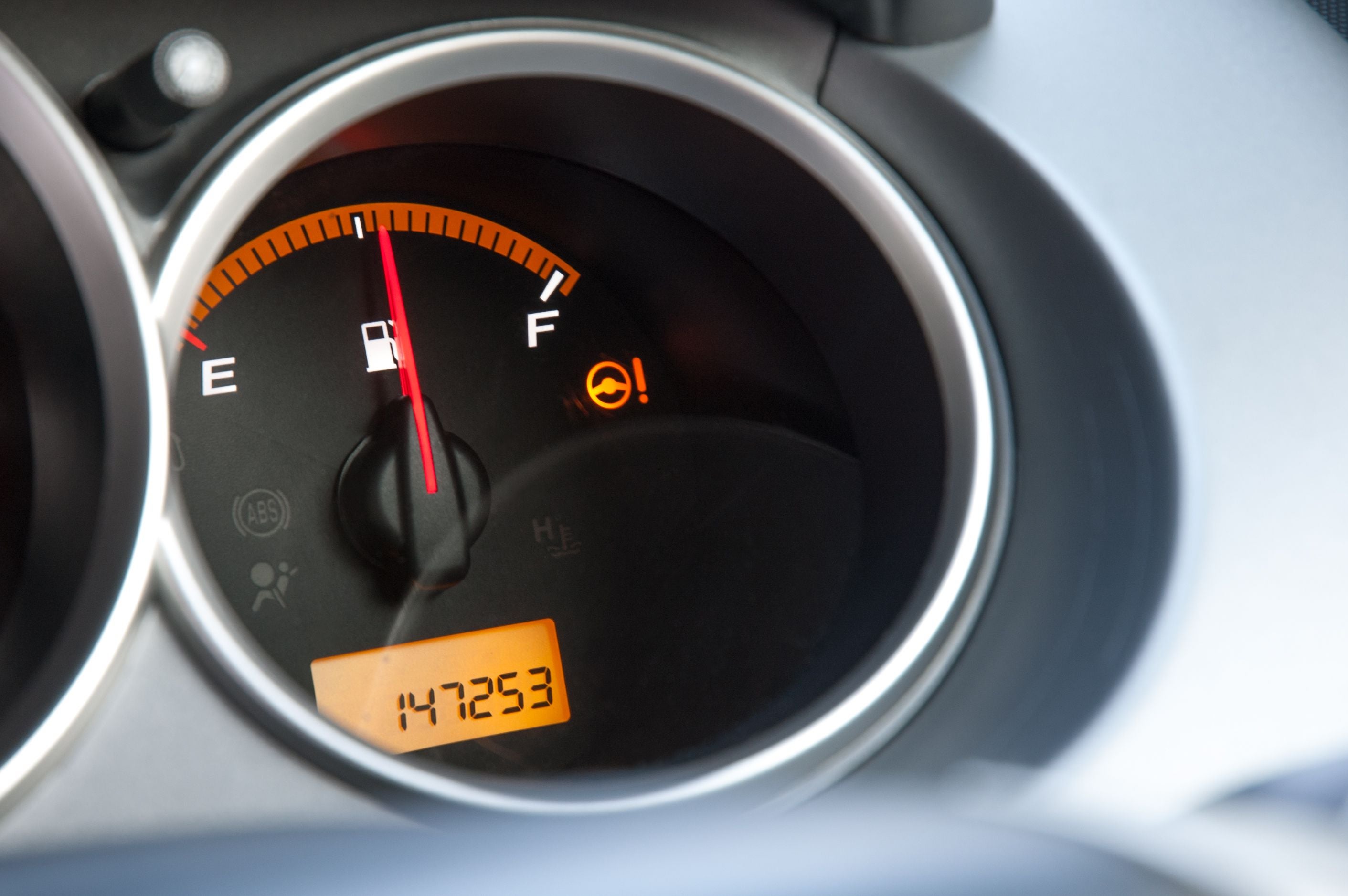
Most lease surprises show up at the end, when the odometer gets read. Car lease mileage limits decide how far you can drive before extra charges start, and they matter a lot for anyone who spends time on Highway 101. If you want help matching an allowance to your real driving, the Lum's Auto Center finance team is happy to talk it through. Here in Warrenton, we see how differently our neighbors drive. Some commute daily, and others stay close to home or head to the beach every weekend. This guide covers how to estimate your miles, spot overage risk, and ask better questions before you sign any vehicle lease in Oregon. How Car Lease Mileage Limits Work A lease gives you the right to use a vehicle for an agreed period and an agreed number of miles. That mileage piece is what this guide focuses on, since it's where many end-of-lease surprises start. Why Lease Terms Include a Mileage Allowance A vehicle loses value as you drive it, which is why leases set a mileage limit and charge a fee for going over it at return. The allowance helps the leasing company estimate the vehicle's resale value and set your financial terms. Allowances are usually advertised per year, but they typically apply as a total across the full term, so check how your agreement measures miles. Unused miles generally earn no credit, while miles over the limit can bring a charge. Why Allowances Vary by Manufacturer and Contract Terms vary by manufacturer, lender and vehicle, and your credit approval plays a part too, so the signed agreement is what controls. For context, the FTC and CFPB describe most standard leases as allowing roughly 10,000 to 15,000 miles a year. Some advertised offers use 10,000 miles a year or less. A low-mileage lease may carry a lower payment, but it only works if the allowance matches how you actually drive. How to Estimate Your Annual Driving Needs Use real numbers instead of memory. If you can, write down your odometer reading, then check it again a few months later. That tells you more than trying to recall individual trips. Once you have a rough baseline, build your estimate from the pieces below. Here's a simple way to estimate your annual miles: Daily commute miles × workdays per year + weekly errand miles × 52 + planned trips = your estimated annual miles. Then add a cushion for surprises. An estimate built only on your quietest months will usually come up short. Commuting, Errands, and Everyday Driving Use your round-trip commute and the days you actually drive to work. If you work remotely part of the week, count only the days on the road. Think ahead too, since a job change or a new school schedule can shift your numbers fast. Errands add up more than most people expect. Count school runs and medical appointments, then groceries and weekend activities. A drive from Warrenton to Astoria for shopping or an appointment feels short, but doing it weekly puts real miles on the odometer over a year. Oregon Coast Road Trips and Regional Travel Budget your Oregon Coast outings separately. A weekend run down Highway 101 to Seaside, or a regular trip up to Astoria, can push your total well past what everyday driving suggests. Longer occasional trips count as well, such as visiting family in Portland or driving across Southwest Washington. Estimate how many outings you take in a year, add a rough distance for each, and put the total into the worksheet above. Then compare that projected total with the advertised allowance before you look at the monthly payment. Choosing a Lease Length and Mileage Allowance That Fit Together Lease length and allowance go hand in hand, so consider both your annual mileage and how long you expect to keep the vehicle. Typical lease terms run two to four years. Multiply the annual allowance by the number of years for your total, then confirm the exact limit in the contract. The table shows three generic examples over a 36-month term. These are illustrations, not Lum's offers. Example annual allowance Total miles over a 36-month term Best fit for 10,000 30,000 Mostly local drivers who stay around Warrenton and make short trips to Astoria or Seaside. 12,000 36,000 Drivers with a modest commute plus occasional weekend Coast outings. 15,000 45,000 Daily commuters and frequent Highway 101 or regional travelers. How might that look in practice? A commuter with a daily round trip and some weekend errands might consider the 15,000-mile range or higher. A mostly local retiree who stays around Warrenton, Astoria, and Seaside might consider the 10,000 to 12,000 range. A weekend Coast road-tripper might look at roughly 12,000 to 15,000, or ask about higher-mileage lease options. A longer lease gives your life more time to change. A new job or a growing family can push mileage up, and so can a new travel habit. A shorter term doesn't automatically prevent overages either, since the allowance still has to match your driving. If your miles are consistently high or hard to predict, compare leasing against financing a purchase, which generally doesn't impose a contractual mileage cap. You can also ask about higher-mileage lease options. Once you have a mileage estimate, check our current lease specials and see what fits. If you'd rather start with questions, reach out and we'll walk through the numbers together. What to Know About Excess Mileage on a Car Lease If you go over your miles on a lease, you'll likely pay for them at return, so it helps to understand how the charge works before you sign. How Excess-Mileage Charges Are Calculated The excess-mileage charge is stated in your lease. The federal regulations require the notice to state the amount or the method. The charge is typically set per mile and assessed at return. The cost of extra miles depends on the leasing company, the contract and the vehicle. To estimate your exposure, multiply the miles above your limit by the per-mile rate stated in your lease. Keep in mind that it's one possible end-of-lease expense, alongside wear charges and any disposition fee. Options for Adjusting Mileage Before You Sign Ask about higher allowances before you sign. Extra miles may be purchasable before delivery, and some contracts allow increases during the lease. Buying miles upfront often costs less than paying excess charges at the end. There are trade-offs. The mileage limit is negotiable, but a higher limit will usually raise your monthly payment, and miles you prepay may not be refunded if you don't use them. Whether they're refundable depends on your agreement, so ask before you buy. For availability, ask our finance team what's available on your contract. A few habits help once you're driving: Check your odometer periodically so an overage never catches you by surprise. Don't count on mid-lease changes unless the leasing company confirms the option and its conditions in writing. If you expect to go over, ask for a comparison of return and purchase options at lease end. Don't assume mileage charges will be waived because you lease another vehicle later. Any concession should be explained and documented. Vehicle Condition at Lease Return and Early Termination Considerations Mileage and condition are checked separately, so staying under your allowance doesn't erase charges for wear. You're responsible for excess wear and damage, along with any missing equipment, and you'll need to service the vehicle per the manufacturer's recommendations and keep insurance that meets the leasing company's standards. The leasing company generally decides what counts as excessive, so read its wear standards early, keep your service records and ask whether a pre-return inspection is available. Learning about possible charges in advance gives you time to weigh repair options. Ending a lease early can be costly. You can't simply return the vehicle and stop making payments, and the FTC warns that early termination may bring a substantial charge. Federal rules require your lease to disclose the conditions for ending early and how that charge is calculated, so look for that section before you sign. If you're thinking about ending a lease, ask for a written estimate first, and compare it with any options your contract allows, such as transferring the lease or buying the vehicle. Why You Should Review the Complete Lease Agreement Before Signing Advertisements only summarize an offer, and the agreement is what binds you. Read the terms before signing, pay close attention to fees, compare the paperwork with what was discussed, and leave with a signed copy. We encourage every customer to do the same. On the mileage side, check the limit, the excess charge, the rules for additional or unused miles, and how the allowance applies across the full term. If a clause is unclear, ask for an explanation or consult your own advisor. Before you sign, bring these questions: What is the per-mile overage rate, and how is it assessed at return? Can I buy miles upfront, and is any unused portion refundable or nonrefundable? What are the wear-and-tear standards, and is a pre-return inspection offered? What are the early-termination terms, and can I get them in writing? Is there a disposition fee at lease end? Then confirm each answer appears in the signed documents. Keep your copies for the life of the lease. Explore Lease Specials and Talk with the Lum's Auto Center Finance Team We're a family-owned dealership group that has served this region since 1969, and we'd like to help you land on a mileage allowance that fits. To get started: Review our current lease specials to see the latest offers on new Toyota, Chrysler, Dodge, Jeep and Ram models. Talk with our finance team about the lease terms and mileage allowances available on your contract. Bring your worksheet estimate. Visit us in Warrenton, or contact us first with questions. Car lease mileage limits are easy to manage when you plan before signing. You can also browse new vehicles or get pre-approved online. You'll find us at 1605 SE Ensign Lane in Warrenton, or you can call 503-861-1144. We're open Monday through Saturday from 9 a.m. to 6 p.m., and Sunday from 8 a.m. to 8 p.m.